
Het Huis Rupelmonde aan de Vecht — History & Facts
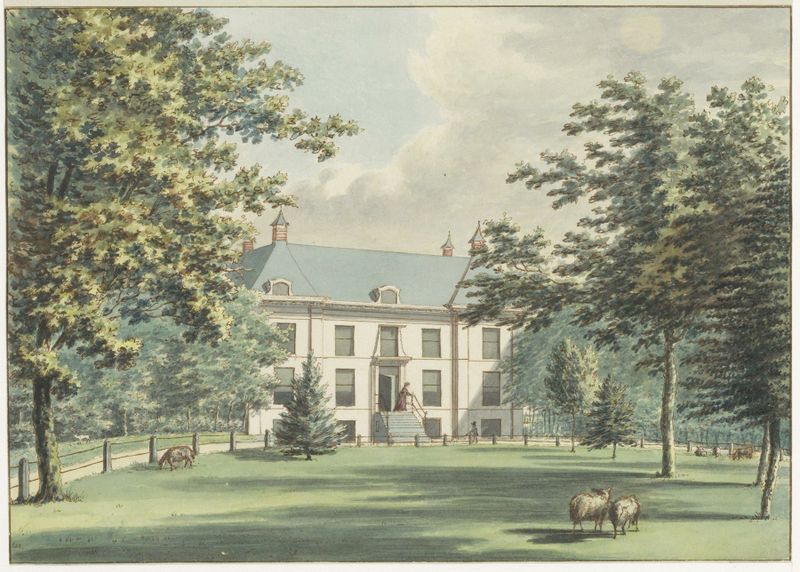
What secret hides in the quiet of the canvas? In a world of noisy progress and bustling life, this painting invites a moment of serene contemplation, whispering of divinity in the ordinary. Look to the foreground, where the calm waters of the Vecht reflect the gentle hues of a fading day. The house stands majestically, its weathered façade bathed in a soft golden light, drawing the eye with its tranquil presence. Notice the meticulous brushwork that captures the texture of the trees and the delicate ripples on the water, showcasing Numan’s exquisite attention to detail and mastery of light. As you take in the scene, feel the contrasting emotions that play out in the tranquil landscape.
The stillness of the water suggests a sense of peace, yet the solitary house hints at stories untold, moments of life hidden within its walls. The natural elements seem to cradle the building, invoking a divine connection between the earthly and the ethereal, where nature meets human craftsmanship in perfect harmony. Created between 1754 and 1820, this work emerged during a transformative period for art in the Netherlands. Numan, working in a style that reflected the growing Romantic sensibility, sought to capture the essence of place and mood, aligning his vision with the societal shift toward appreciating the beauty of nature and domesticity.
His canvas reflects both personal exploration and a broader cultural quest for meaning amidst the changing tides of modernity.
More Artworks by Hermanus Numan
Browse all →
Ruïne van de abdij van Rijnsburg
Hermanus Numan
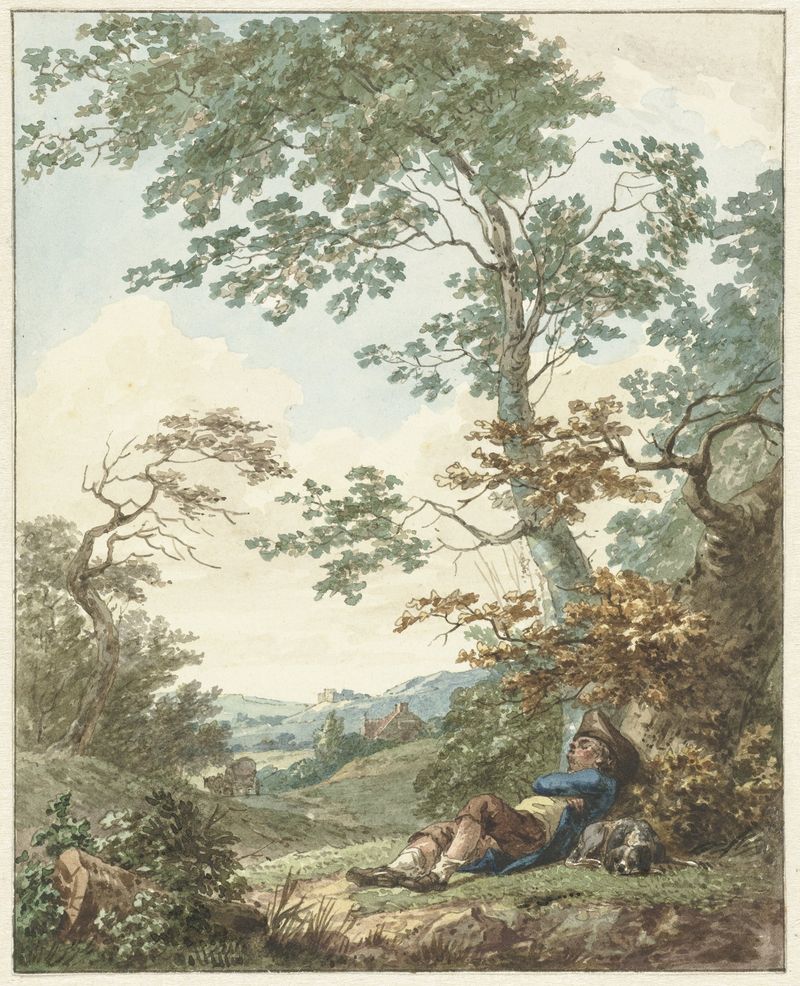
Slapende man met hond onder een boom
Hermanus Numan
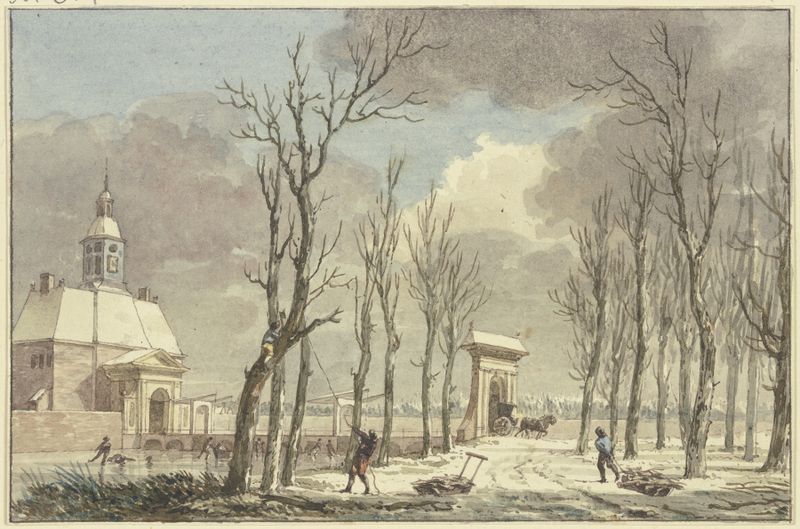
Stadttor mit Türmchen im Winter, eine lange Brücke führt über den Kanal nach einer Allee
Hermanus Numan
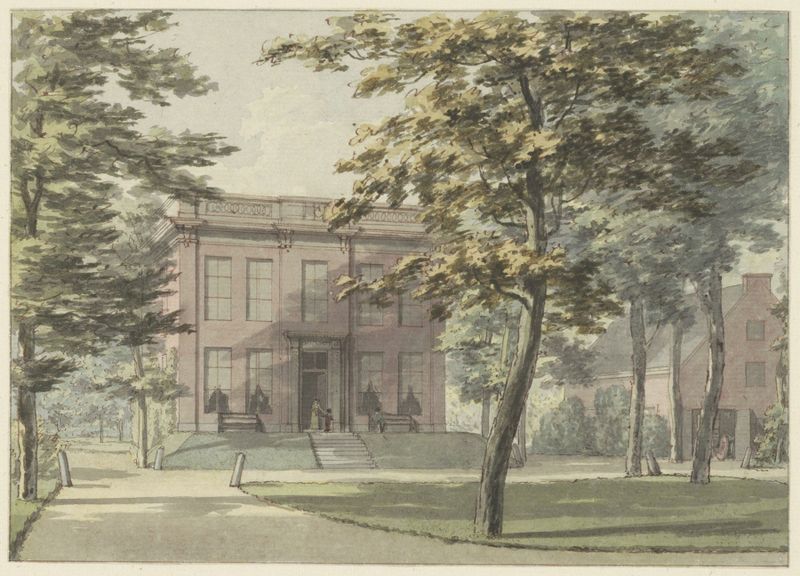
De buitenplaats Oud Berkenrode, Oostzijde. Pen in zwart, penseel in kleuren.
Hermanus Numan
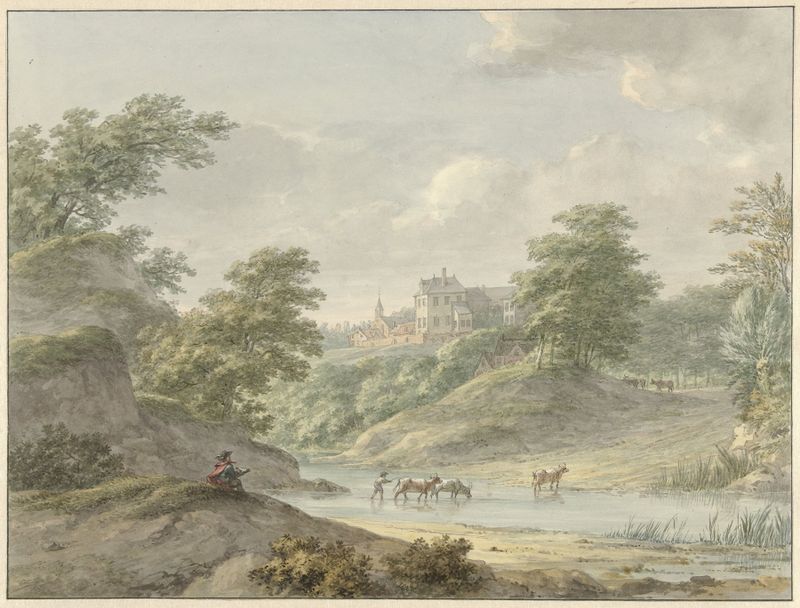
Landschap met zittende tekenaar en kasteel aan water
Hermanus Numan
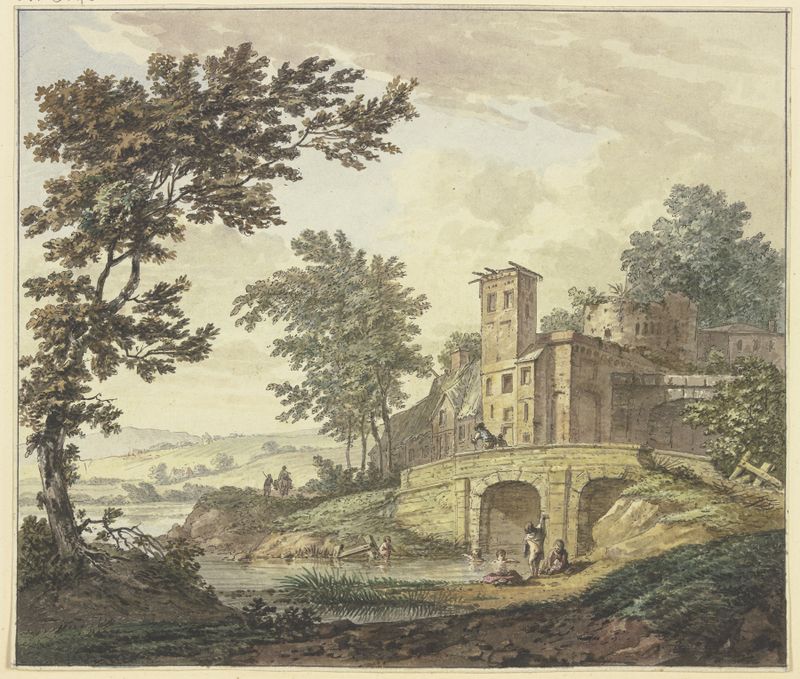
Bei einer Brücke und mehreren Gebäuden, im Wasser fünf badende Kinder
Hermanus Numan

Het landgoed Velzerbeek bij Velsen
Hermanus Numan
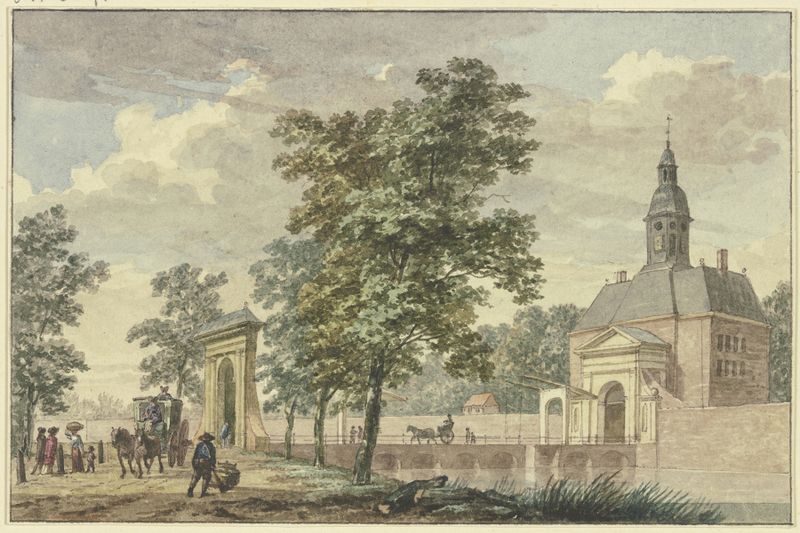
Stadttor mit Türmchen im Sommer, eine lange Brücke führt über den Kanal nach einer Allee, in der eine Equipage fährt
Hermanus Numan

Gezicht in de tuinen van de buitenplaats Zandbergen
Hermanus Numan
Waterland bij Velzen
Hermanus Numan





