
Waterland bij Velzen — History & Facts
Beneath the placid surface of Waterland bij Velzen, a complexity brews, suggesting that tranquility can mask deeper, turbulent truths. Each brushstroke echoes the violence that stirs beneath peaceful waters, urging the viewer to look beyond the serene landscapes. Look to the foreground where gentle ripples play across the water’s surface, reflecting the sky’s soft hues of blue and gold. Notice how the light dances, creating an illusion of calmness, yet hints at the possible chaos lurking beneath.
The composition balances the lush greenery with the subtle movement of the water, drawing the eyes toward the horizon—a gentle reminder of nature’s duality. Each detail, from the delicate strokes of the trees to the texture of the reeds, invites contemplation of both beauty and menace. The juxtaposition of serene landscapes and the undercurrents of violence resonates throughout the piece. The stillness of the water belies the tumultuous history of the land, suggesting that even the most tranquil scenes can be rooted in conflict.
This tension reflects a larger narrative of human experience—the coexistence of peace and strife that shapes our understanding of nature and ourselves. Small details, like a distant boat barely breaking the horizon, hint at human presence, raising questions about our influence on the natural world. In 1796, Hermanus Numan was a prominent figure in the Dutch landscape painting scene, operating within the context of the Dutch Golden Age’s decline. Living in a time when art was grappling with new themes of realism and emotion, Numan sought to capture the nature of his homeland with an emphasis on both beauty and atmospheric depth.
His work reflects the social and environmental changes of the period, embodying the transition towards Romanticism that would soon dominate European art.
More Artworks by Hermanus Numan
Browse all →
Ruïne van de abdij van Rijnsburg
Hermanus Numan

Het Huis Rupelmonde aan de Vecht
Hermanus Numan
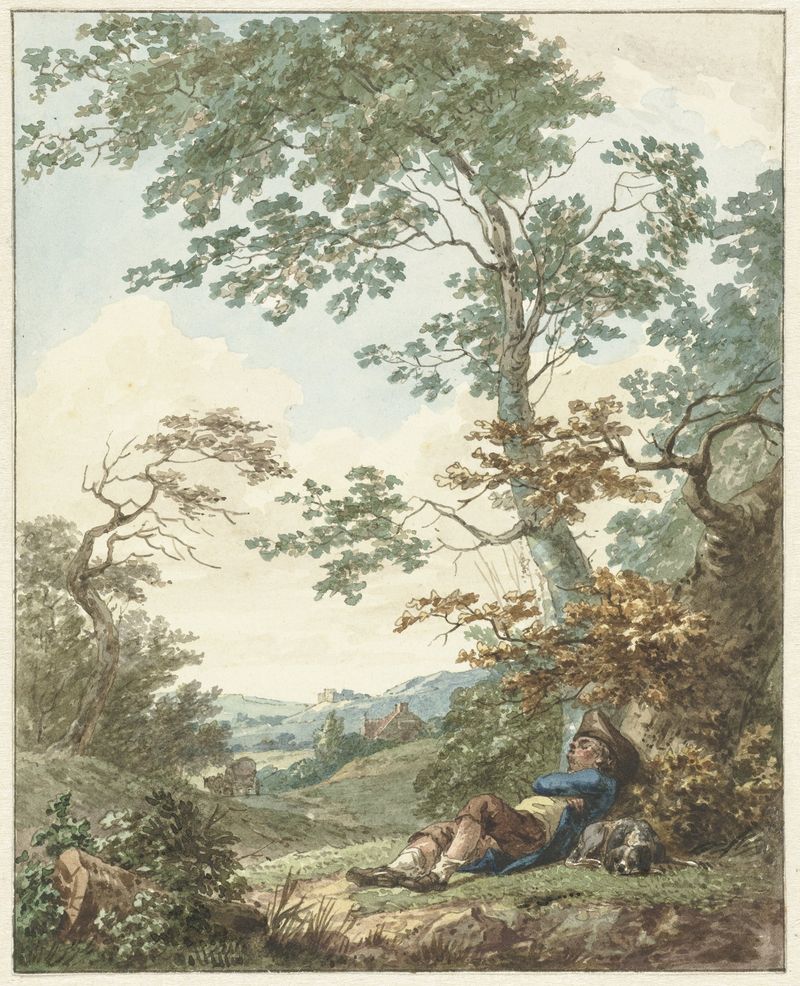
Slapende man met hond onder een boom
Hermanus Numan
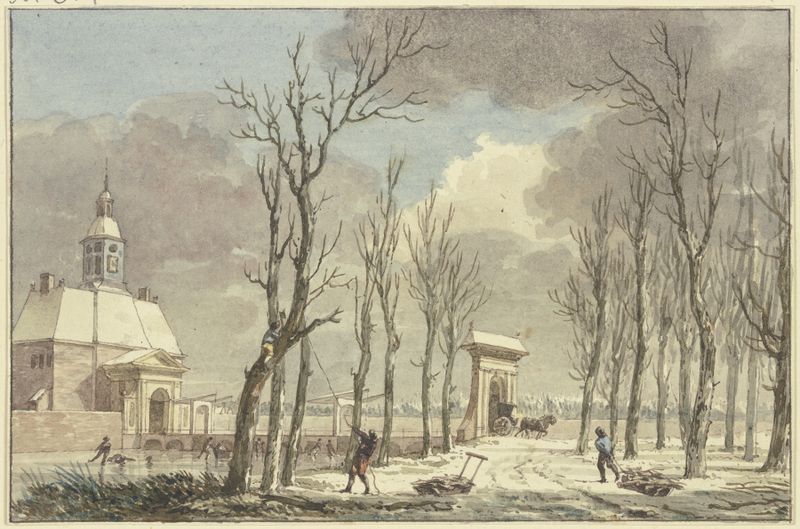
Stadttor mit Türmchen im Winter, eine lange Brücke führt über den Kanal nach einer Allee
Hermanus Numan
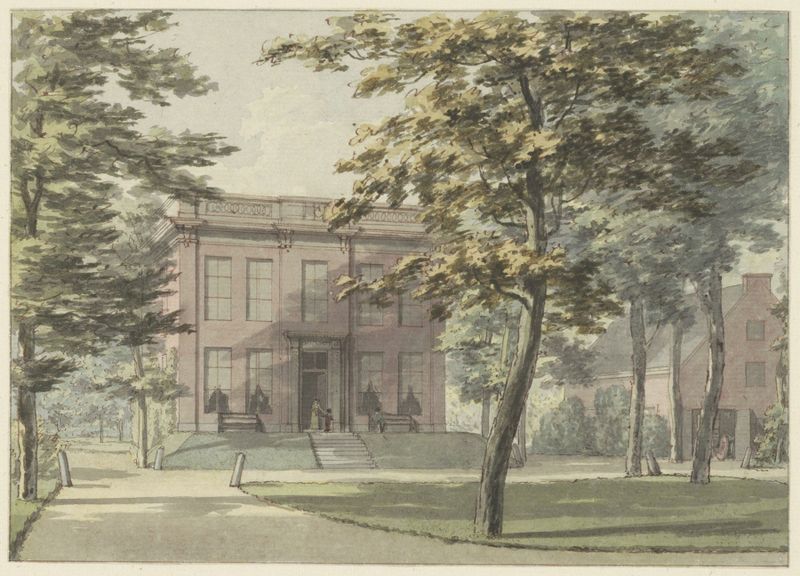
De buitenplaats Oud Berkenrode, Oostzijde. Pen in zwart, penseel in kleuren.
Hermanus Numan
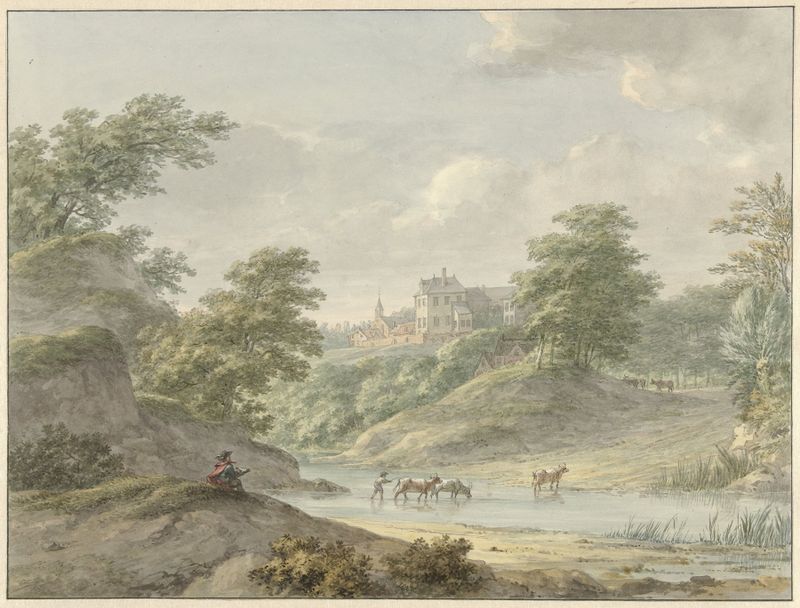
Landschap met zittende tekenaar en kasteel aan water
Hermanus Numan
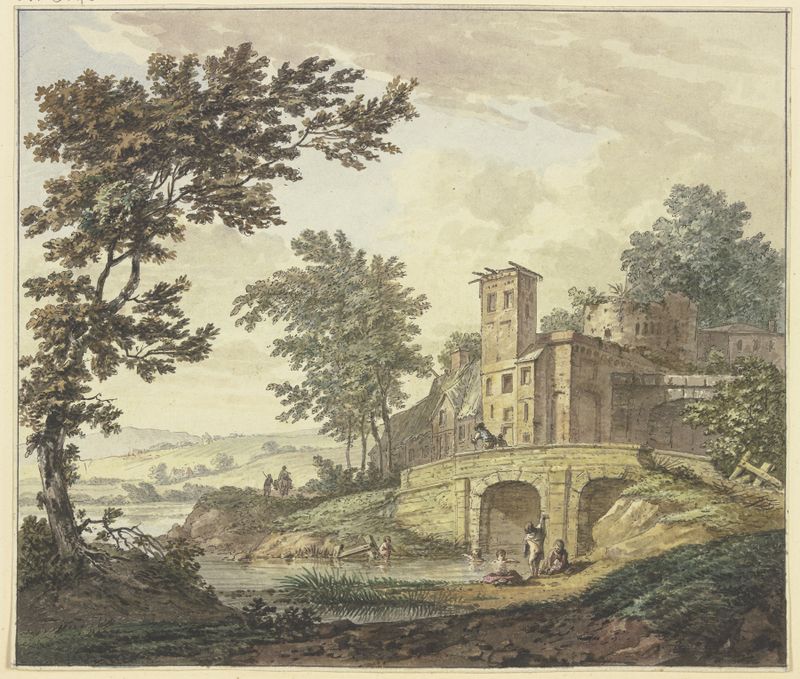
Bei einer Brücke und mehreren Gebäuden, im Wasser fünf badende Kinder
Hermanus Numan

Het landgoed Velzerbeek bij Velsen
Hermanus Numan
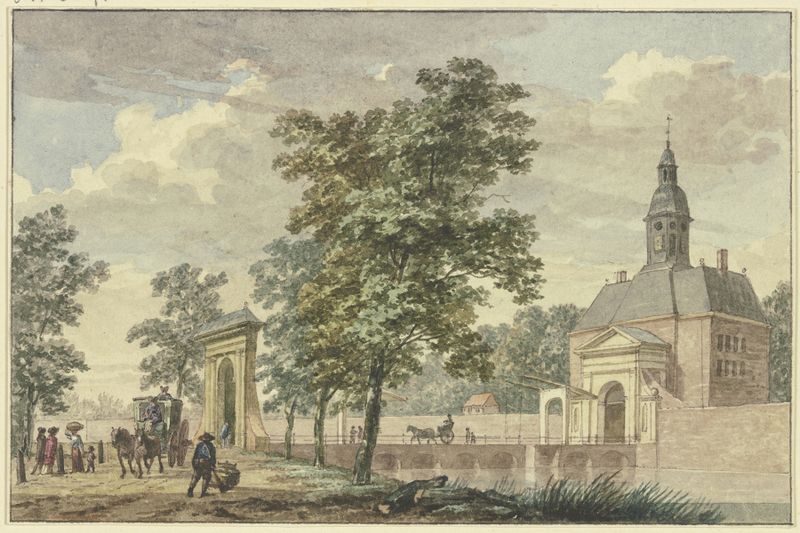
Stadttor mit Türmchen im Sommer, eine lange Brücke führt über den Kanal nach einer Allee, in der eine Equipage fährt
Hermanus Numan

Gezicht in de tuinen van de buitenplaats Zandbergen
Hermanus Numan





