
Ruïne van de abdij van Rijnsburg — History & Facts
Where does light end, and longing begin? In the haunting remnants of an abbey, chaos and beauty intertwine, whispering stories from the past. Look to the left at the crumbling stonework, each edge softened by time and nature. The interplay of light and shadow moves across the ruins, illuminating the delicate ivy that clings tenaciously to the walls. Notice how the muted greens and grays blend with the soft blues of the sky, creating a melancholic atmosphere that invites the viewer to linger.
The artist skillfully captures not just the physical decay but also the ethereal quality of a once-sacred space, evoking a sense of nostalgia and reflection. The ambiance suggests a deeper tension between man and nature, between the grand aspirations of spirituality and the inevitable passage of time. Observe the way the light washes over the stones, highlighting both their deterioration and their dignity, as if to say that beauty can be found in imperfection. The chaos of the overgrown flora contrasts with the rigid lines of the architecture, hinting at nature's relentless reclamation and the transient nature of human endeavors. Hermanus Numan created Ruïne van de abdij van Rijnsburg during a period marked by the rise of Romanticism in art, which sought to connect viewers to emotion and the sublime.
Painted between 1754 and 1820, this work emerged while Europe was undergoing significant shifts, including industrialization and societal changes. Numan's focus on the beauty of ruin speaks to both a personal and collective yearning for connection with the past in an era increasingly defined by progress and upheaval.
More Artworks by Hermanus Numan
Browse all →
Het Huis Rupelmonde aan de Vecht
Hermanus Numan
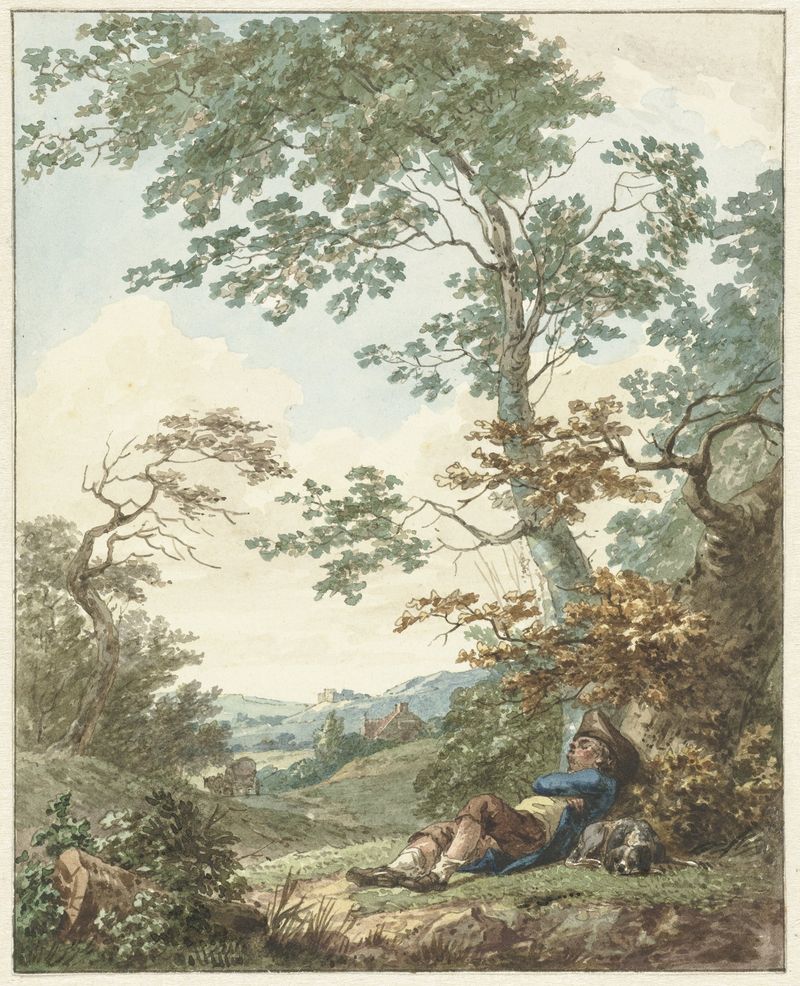
Slapende man met hond onder een boom
Hermanus Numan
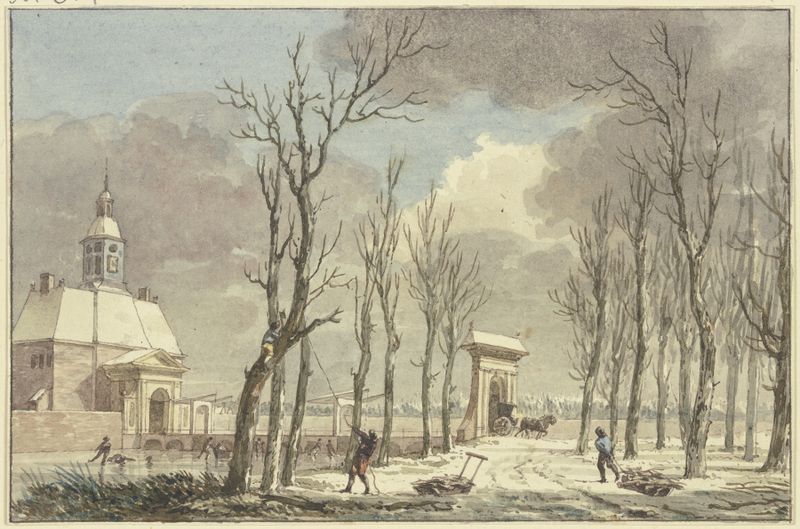
Stadttor mit Türmchen im Winter, eine lange Brücke führt über den Kanal nach einer Allee
Hermanus Numan
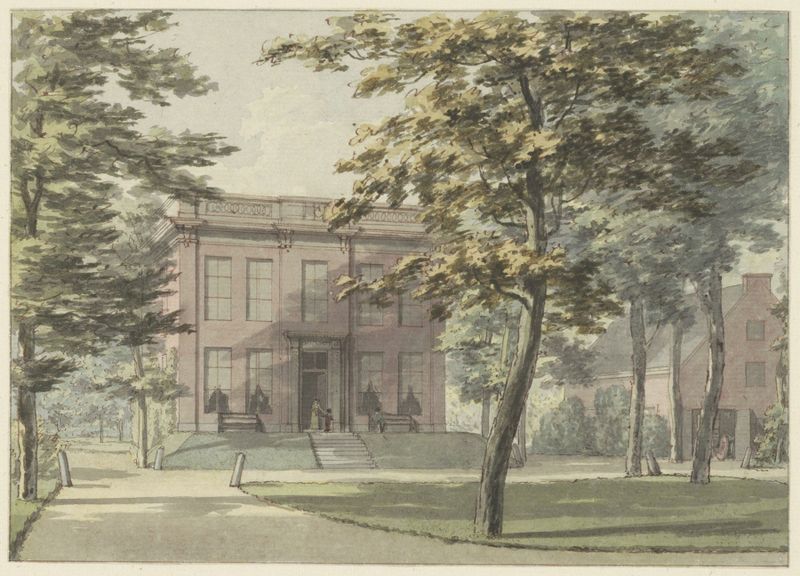
De buitenplaats Oud Berkenrode, Oostzijde. Pen in zwart, penseel in kleuren.
Hermanus Numan
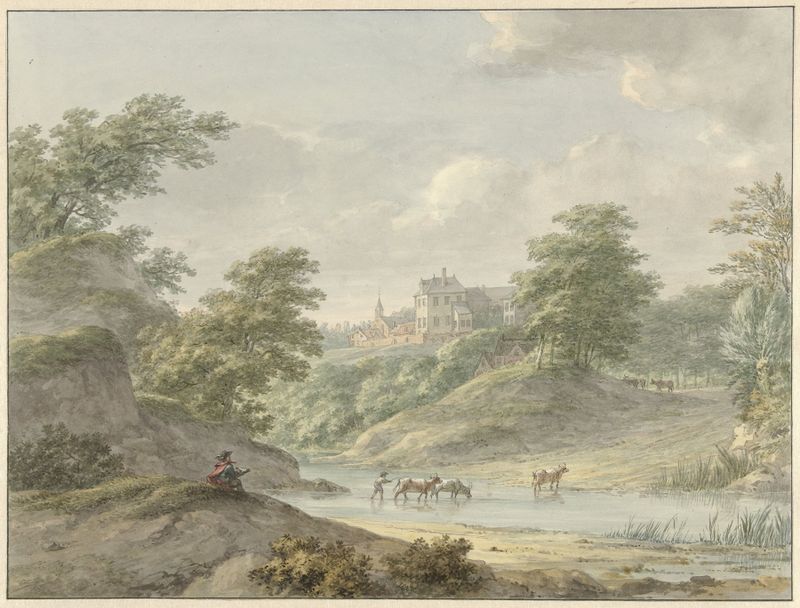
Landschap met zittende tekenaar en kasteel aan water
Hermanus Numan
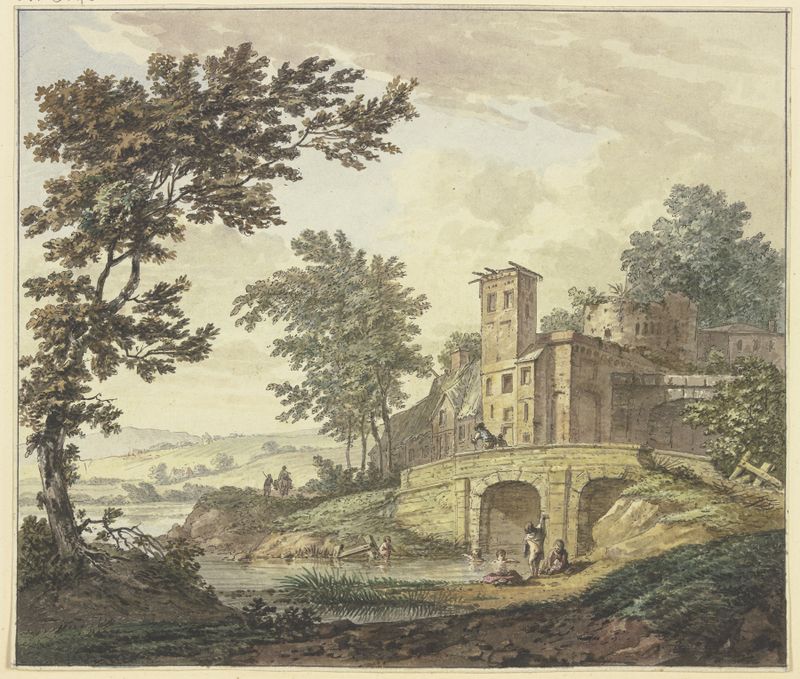
Bei einer Brücke und mehreren Gebäuden, im Wasser fünf badende Kinder
Hermanus Numan

Het landgoed Velzerbeek bij Velsen
Hermanus Numan
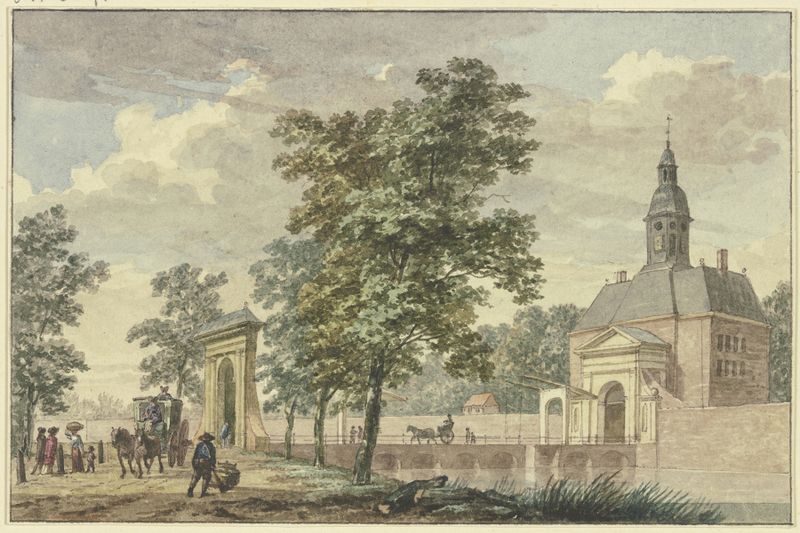
Stadttor mit Türmchen im Sommer, eine lange Brücke führt über den Kanal nach einer Allee, in der eine Equipage fährt
Hermanus Numan

Gezicht in de tuinen van de buitenplaats Zandbergen
Hermanus Numan
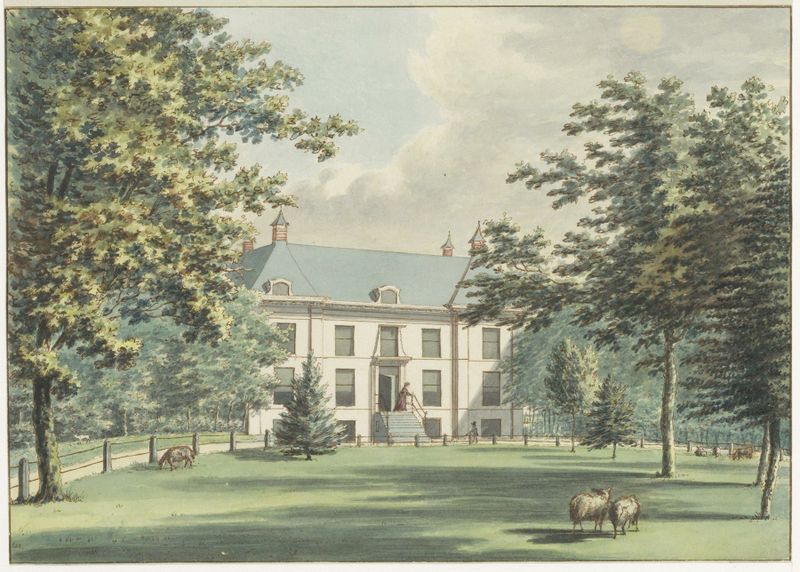
Waterland bij Velzen
Hermanus Numan





