Het lossen van karren bij een vaart — History & Facts
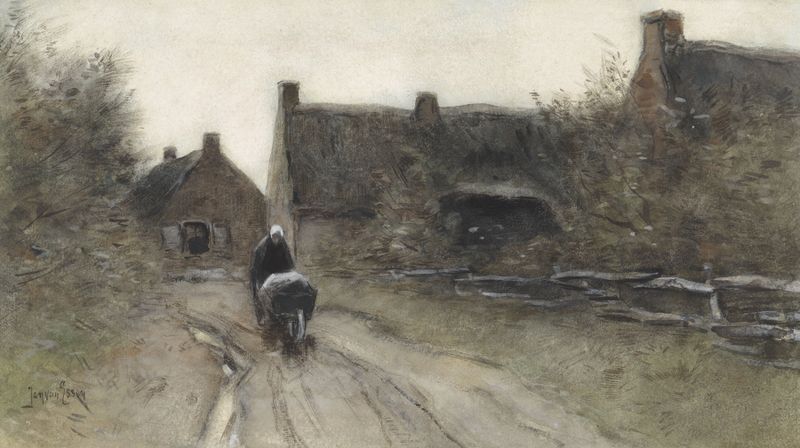
Can beauty exist without sorrow? In the delicate interplay of light and shadow, one can sense the fragility of trust, a sentiment that reverberates through the heart of Het lossen van karren bij een vaart. Look to the left at the vibrant greens of the lush landscape, where the shimmering water reflects both the sky and the toil of the figures working near its edge. Notice how the soft, muted tones of their clothing contrast with the lively hues of nature, lending an air of poignancy to the bustling scene. The artist employs a masterful balance of light, drawing our attention to the bent backs of laborers in the foreground, while the distant trees stand as silent witnesses, their stillness amplifying the sense of laborious effort unfolding in the foreground. There lies a deeper tension beneath the surface—each figure engages in a task that speaks to a larger story of sacrifice and vulnerability.
The proximity of the bustling activity to the tranquil water evokes a sense of fleeting moments, much like the trust that can be so easily betrayed. The juxtaposition of industriousness against the serene backdrop hints at a narrative of loss, where beauty is intertwined with the quiet sorrow of unfulfilled dreams. Jan van Essen created this work between 1864 and 1936, a period marked by a transformative shift in the Dutch art scene, moving towards a more modern interpretation of landscape. During this time, van Essen's focus on everyday subjects reflected the socio-economic struggles of his era, allowing him to capture the essence of human experience amidst the changing tides of life.