
Twee hooibergen op een oever — History & Facts
In the stillness of a rural landscape, a delicate balance hangs between presence and absence, echoing the poignant emptiness of the scene. Look to the center of the canvas, where two haystacks stand sentinel against the muted background, their golden hues absorbing the fading light of dusk. The subtle brush strokes of the foreground invite a tactile quality, inviting the viewer to imagine the texture of the hay. Notice how the cool blues and soft greens meld into the horizon, creating a serene yet haunting atmosphere that emphasizes the isolation of the landscape. The juxtaposition of the vibrant haystacks against the tranquil, almost melancholic backdrop reveals a profound tension—life is abundant, yet solitude prevails.
Each stack, while robust in form, seems to whisper stories of labor and the relentless passage of time. This duality prompts contemplation on what it means to exist amidst nature’s quietude, where emptiness can evoke both peace and longing. Pieter Dupont painted this piece between 1880 and 1911, a period marked by a shift in the art world as Impressionism began to dominate. Living in the Netherlands during a time of industrial change, the artist sought to capture fleeting moments of rural life, often reflecting on the contrast between modernity and tradition.
His focus on the simplicity of haystacks illuminated the beauty and fragility of the pastoral landscape, a testament to an era grappling with the encroaching noise of progress.
More Artworks by Pieter Dupont
Browse all →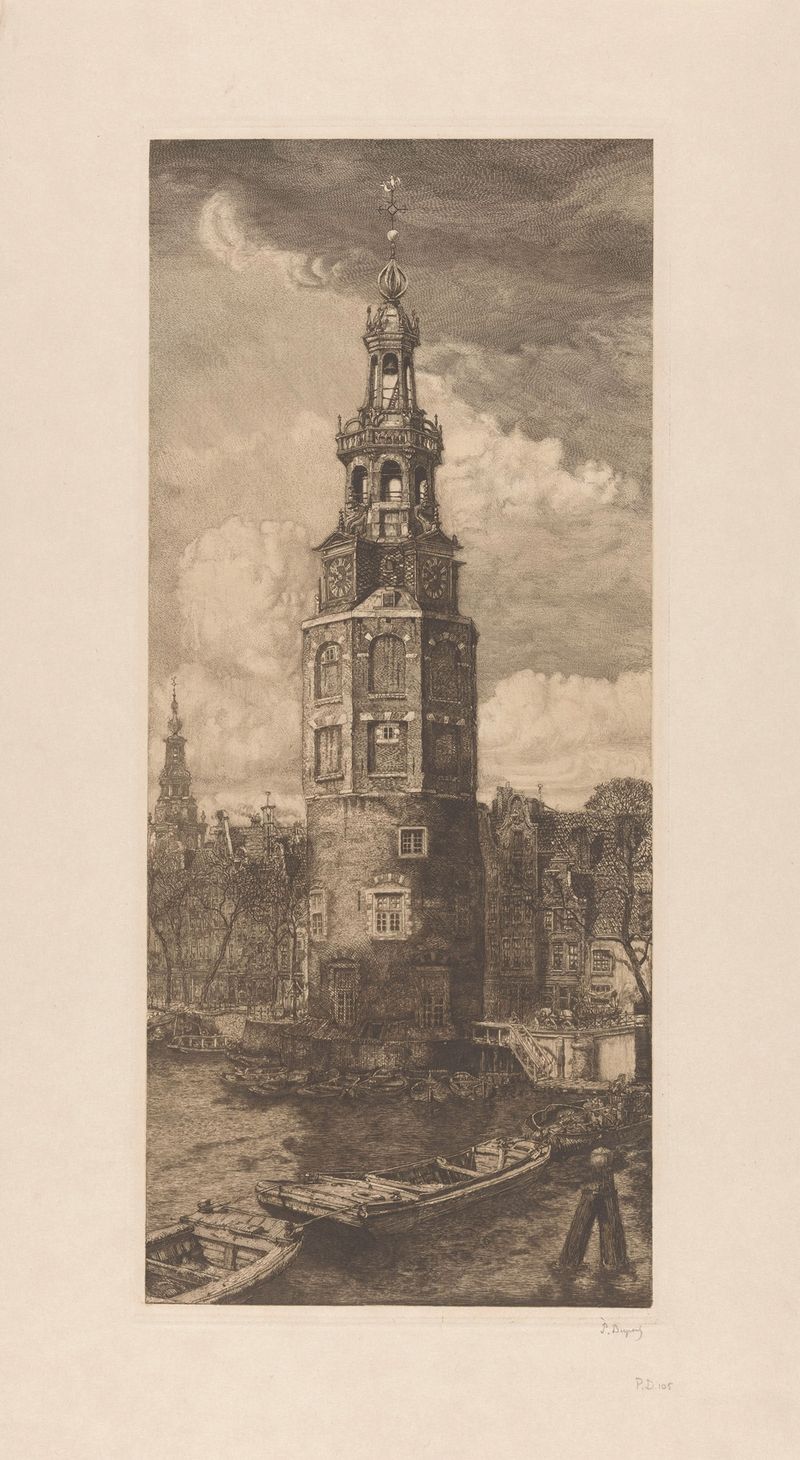
Montelbaanstoren aan de Oudeschans in Amsterdam
Pieter Dupont
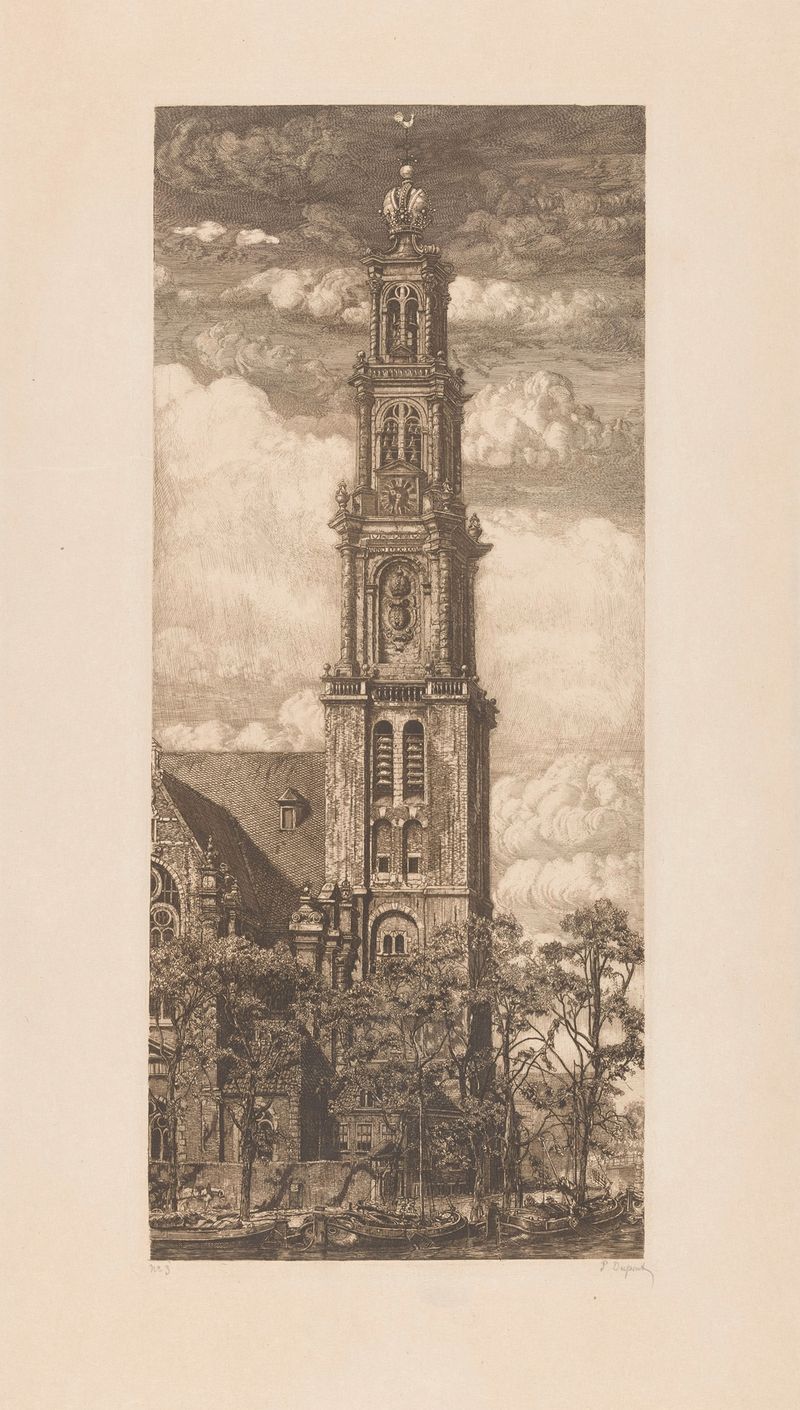
Westertoren in Amsterdam
Pieter Dupont
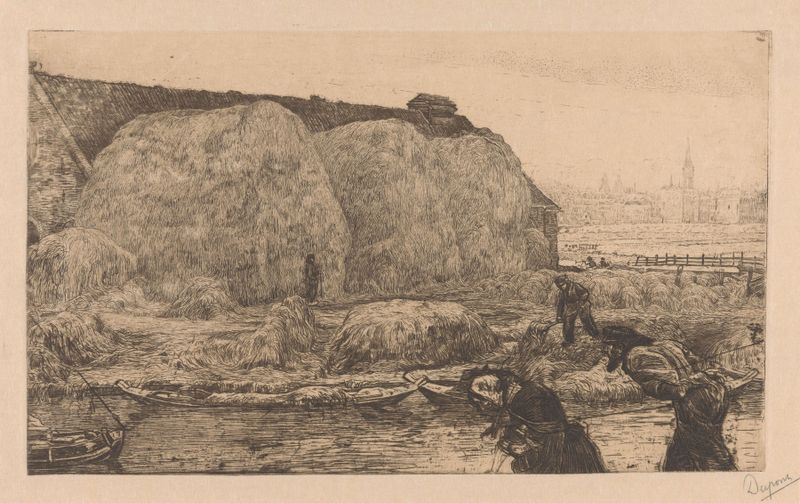
Boerderij met hooischelven aan het Jaagpad in Amsterdam
Pieter Dupont
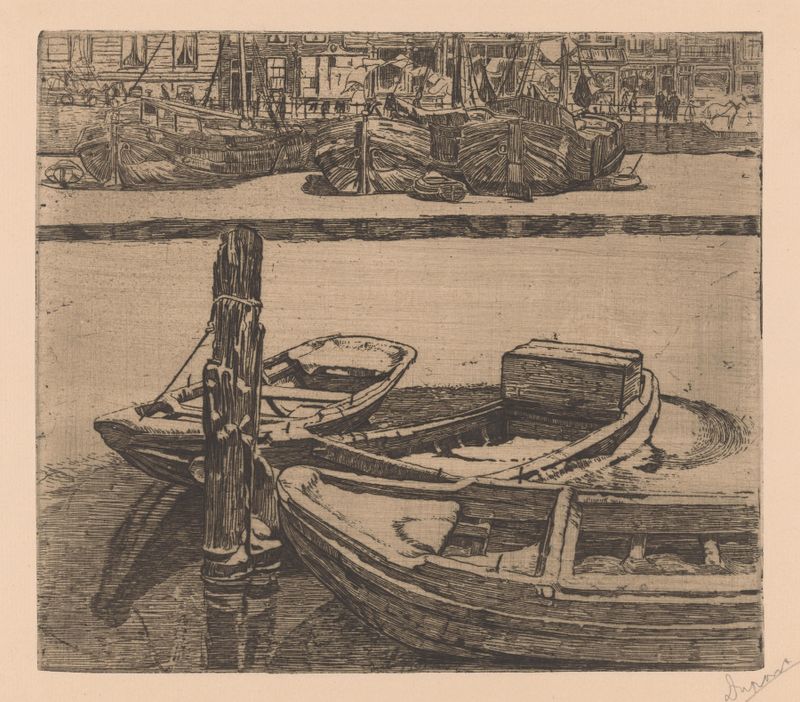
Schepen in het Damrak in Amsterdam
Pieter Dupont
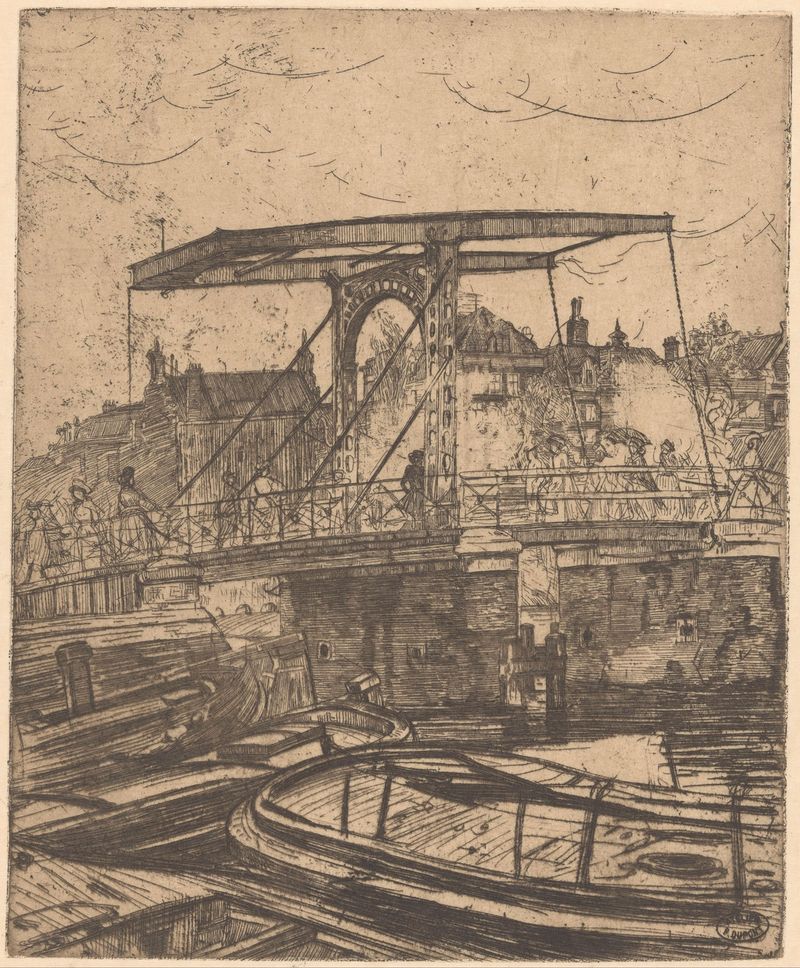
Magere Brug in Amsterdam
Pieter Dupont
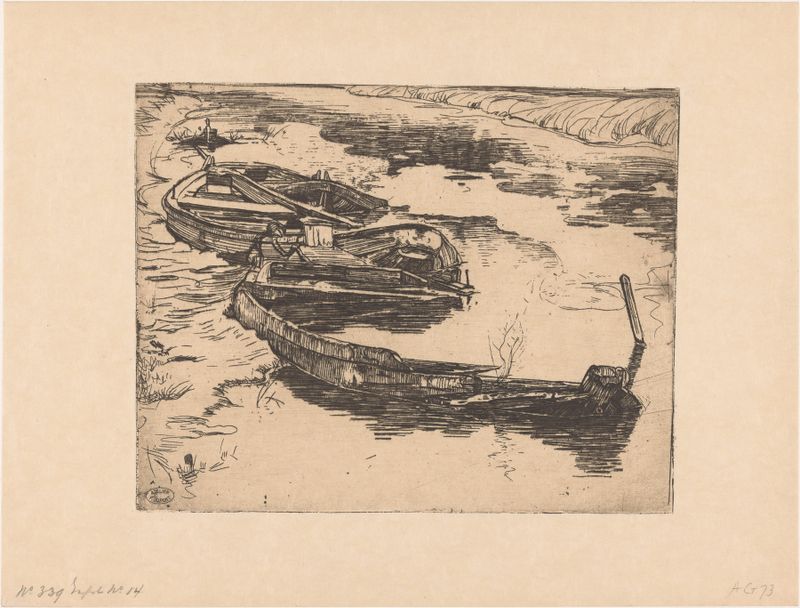
Drie weggezonken roeiboten in een sloot
Pieter Dupont
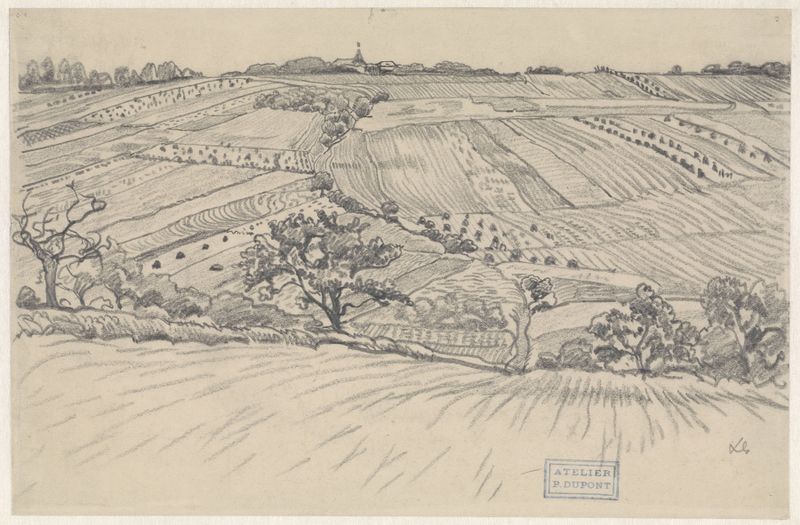
Heuvelachtig landschap met korenvelden
Pieter Dupont
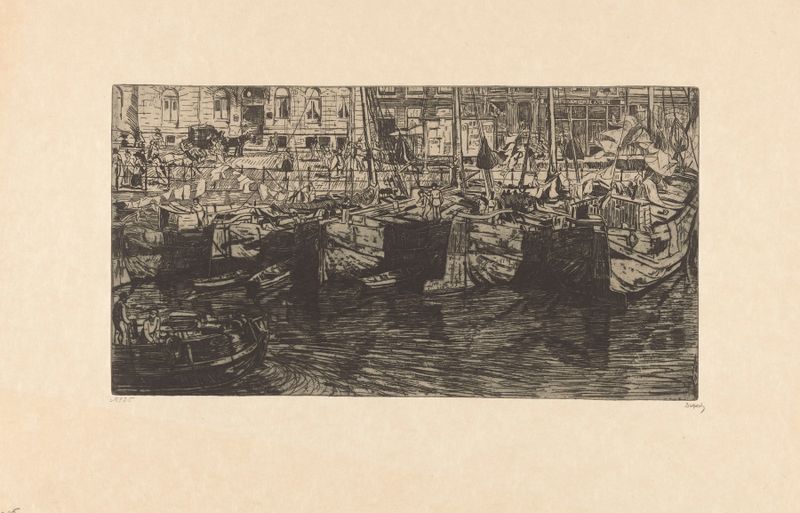
Schepen in het Damrak in Amsterdam
Pieter Dupont
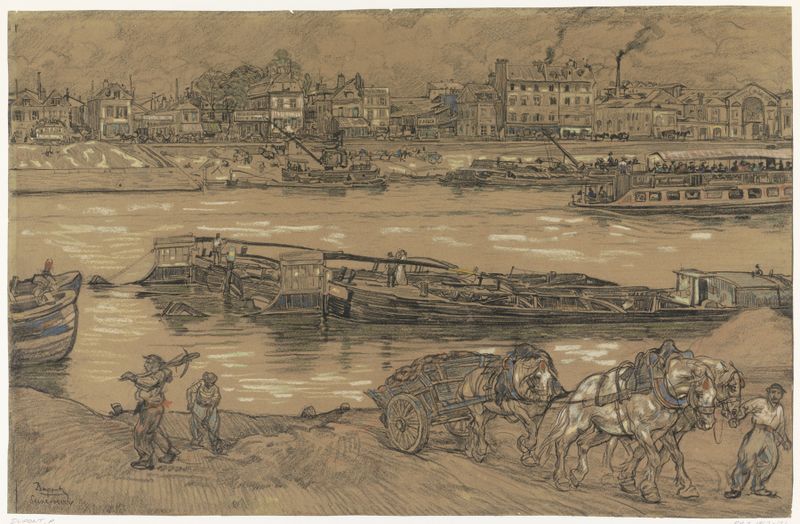
Gezicht op de oever van de Seine
Pieter Dupont
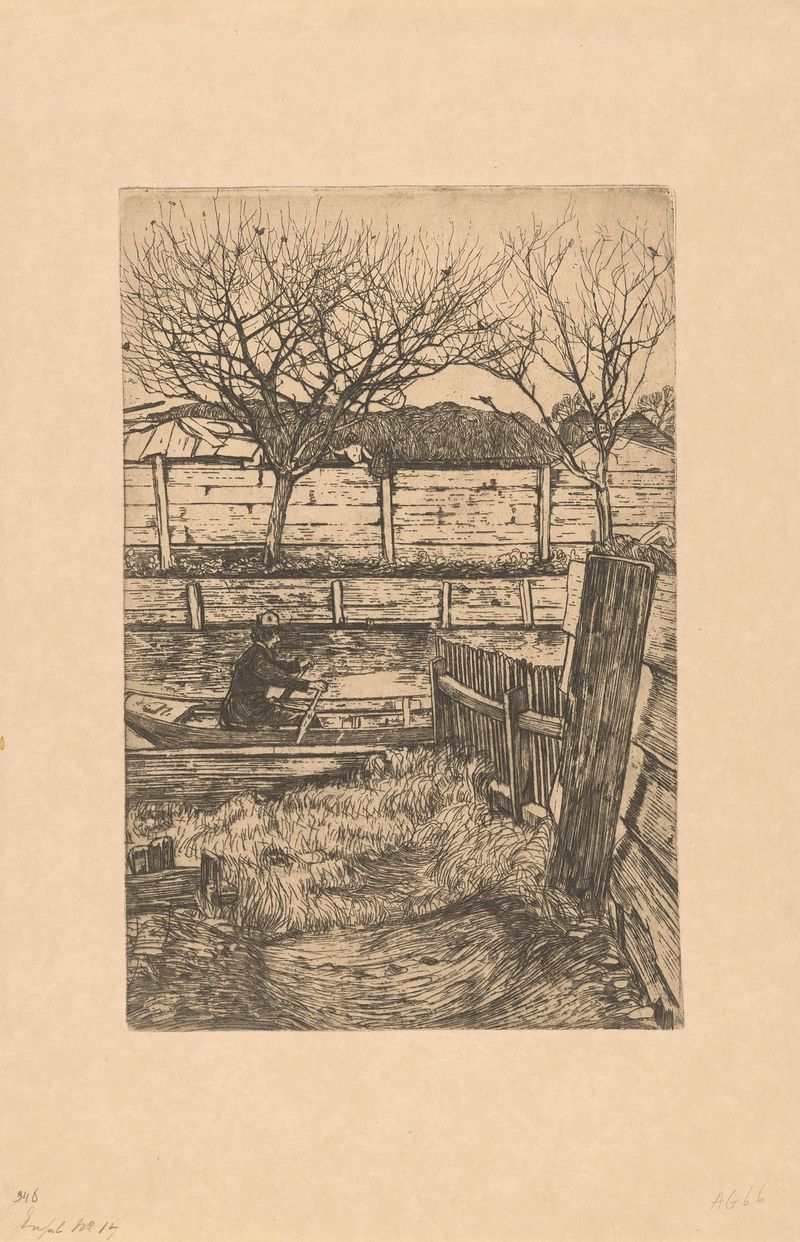
Man in een roeiboot, waarschijnlijk bij de Slatuinen in Amsterdam
Pieter Dupont





