
Hieronymus in een grot — History & Facts
The canvas doesn’t lie — it simply waits. Within its depths lies a moment of profound ecstasy, a silent invitation to explore the inner and outer worlds of human experience. Look to the left at the figure of Hieronymus, seated with a tranquil expression, draped in rich, warm fabrics that contrast with the cool stone of the grotto. The soft, glowing light bathes him in reverence, illuminating his intense gaze as he gazes upward, lost in thought.
Notice how Bol employs chiaroscuro, the interplay of light and shadow, to create a sense of depth and spiritual elevation, transforming the rocky surroundings into a sacred space. Deeper still, the viewer might sense the tension between isolation and connection; Hieronymus is physically alone yet spiritually engaged with the divine. The subtle expressions of his face suggest a simultaneous yearning for knowledge and the weight of contemplation. The interplay between the opulence of his garments and the bare rock evokes a contrast between earthly desires and higher aspirations, heightening the emotional resonance of his solitude. Ferdinand Bol painted this work in 1644 in Amsterdam, during a period when he was establishing himself as a prominent member of the Rembrandt school.
Bol was deeply influenced by his mentor’s dramatic use of light and emotional depth, while simultaneously carving out his distinctive style. This masterpiece reflects the era’s fascination with spirituality and personal introspection, encapsulating the essence of the Baroque movement in a moment of serene contemplation.
More Artworks by Ferdinand Bol
Browse all →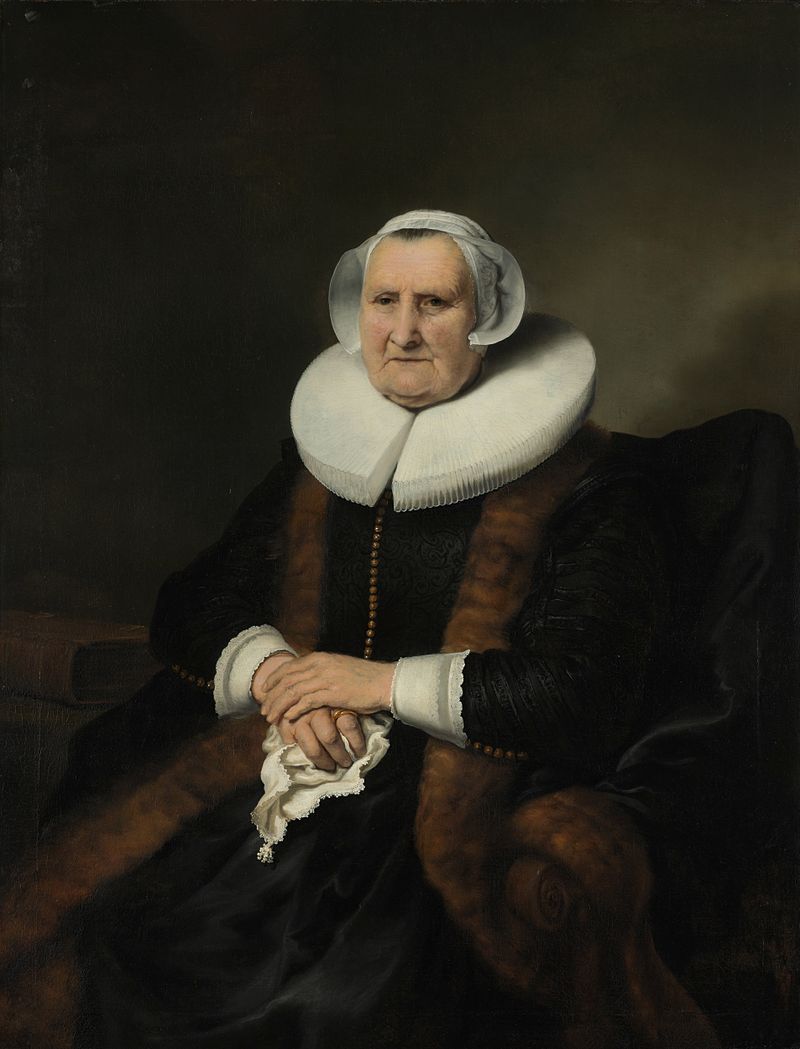
Portrait of an Old Lady, possibly Elisabeth Bas
Ferdinand Bol
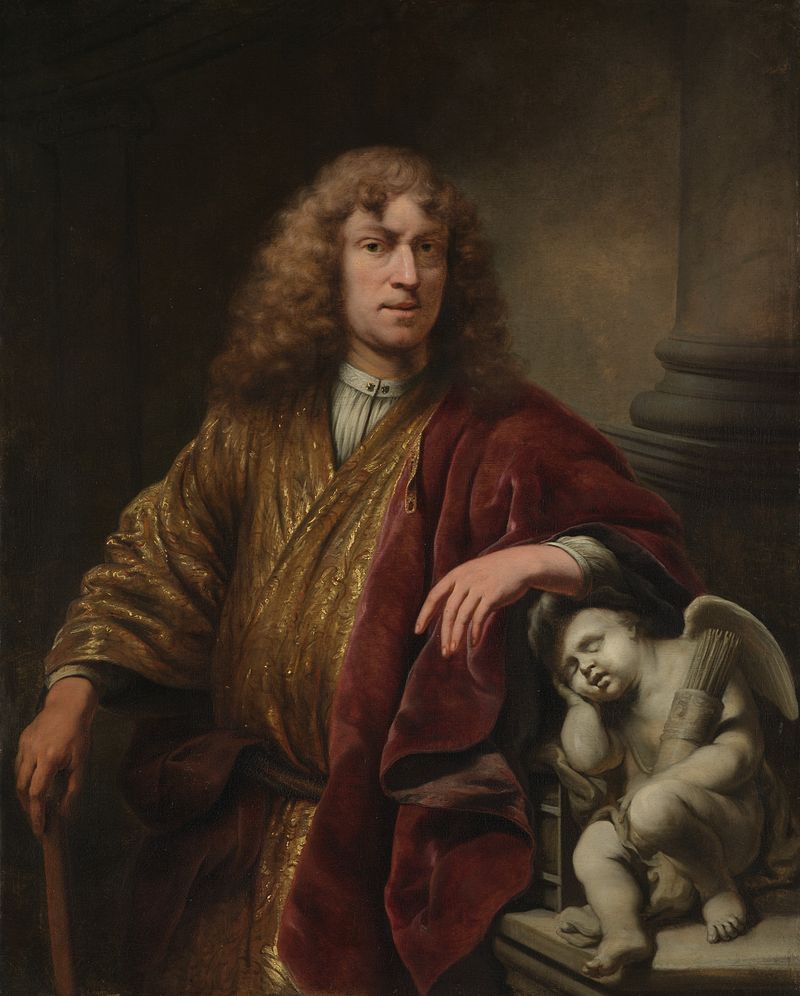
Self-Portrait
Ferdinand Bol

Portrait of Roelof Meulenaer
Ferdinand Bol
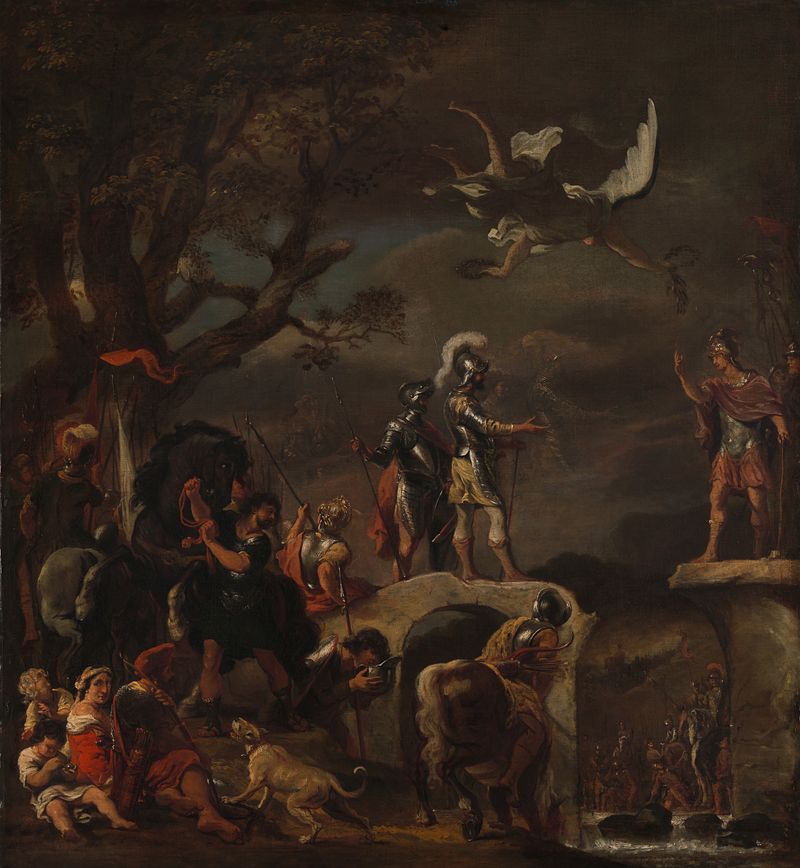
The Peace Negotiations between Claudius Civilis and Quintus Petillius Cerealis on the Demolished Bridge.
Ferdinand Bol
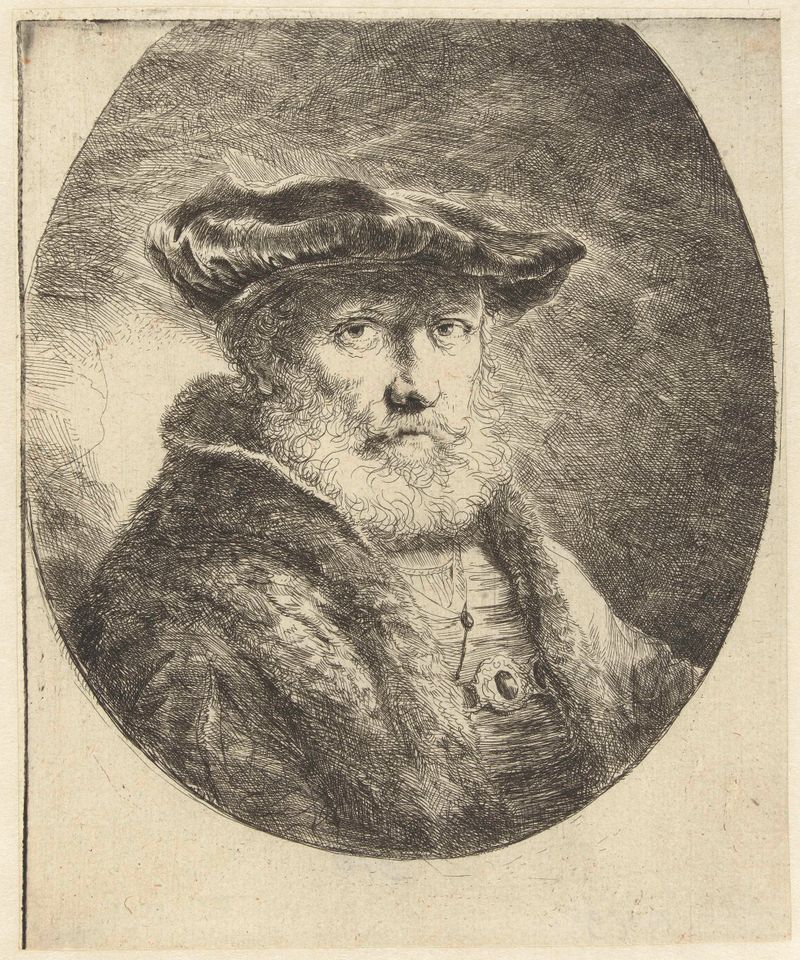
Buste van een oude man met fluwelen baret
Ferdinand Bol

Zelfportret
Ferdinand Bol
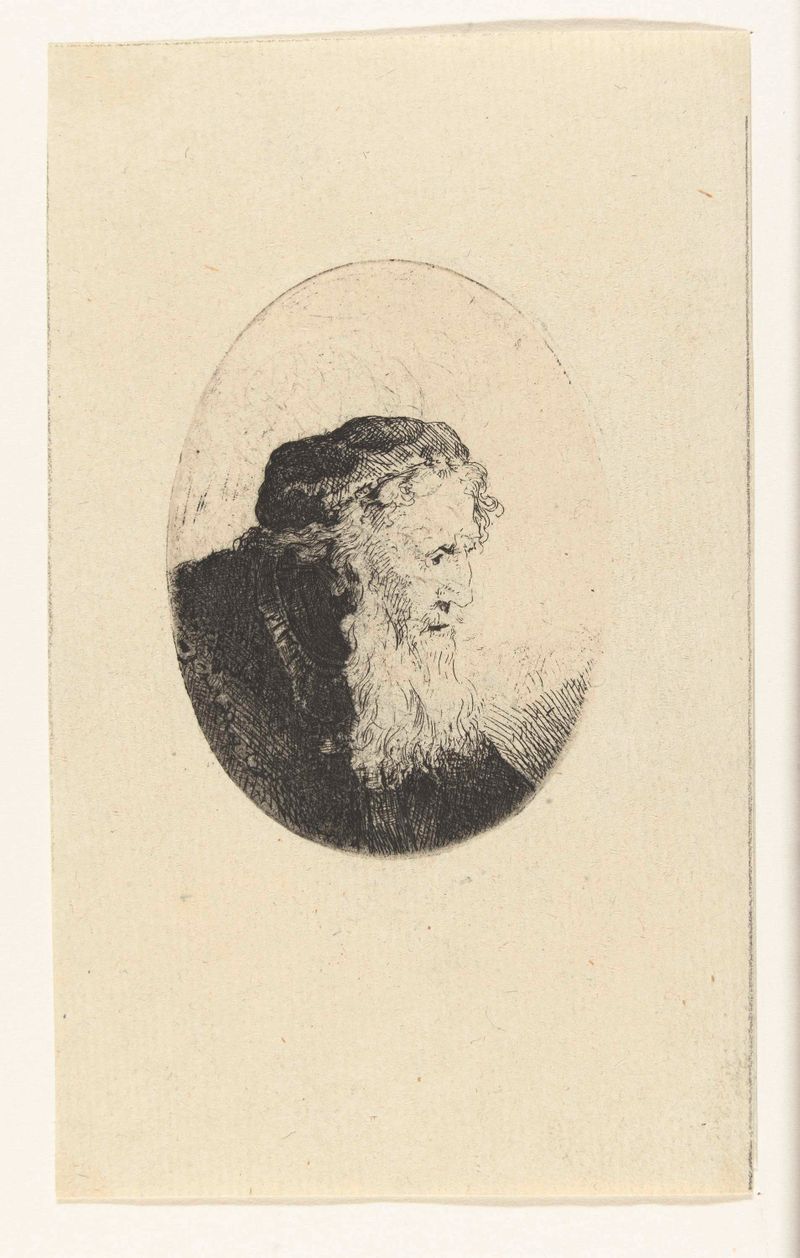
Oude man met baard
Ferdinand Bol

Jozef stelt zijn vader aan de Farao voor
Ferdinand Bol

Venus and Adonis
Ferdinand Bol

Filosoof
Ferdinand Bol
More Religious Art
Browse all →
The Return of the Prodigal Son
Rembrandt van Rijn

The Garden of Earthly Delights
El Bosco

Count Orgaz’ funeral
El Greco

The Hundred Guilder Print: the central piece with Christ preaching, the plate arched
Rembrandt van Rijn

The Descent from the Cross
Rogier van der Weyden

The return of the prodigal son
Rembrandt van Rijn