
High Point — History & Facts
When did color learn to lie? In High Point, the interplay of hues conveys a yearning that echoes through the canvas, inviting us to question the truths of our perception and emotion. Look to the upper left, where soft blues meld into deeper indigos, creating a sense of serenity that subtly contrasts with the vibrant reds and oranges below. This striking color juxtaposition guides the viewer's eye across the composition, inviting exploration of the abstract shapes and forms that suggest a landscape in flux. The brushwork, fluid yet deliberate, adds texture that evokes the sensation of movement — a dance of colors that sings without sound. As you traverse the painting, notice how the colors elicit emotional contrasts: the calmness of the cool tones versus the fiery warmth of the earth.
These elements reflect an inner conflict, a grappling with desire and fulfillment, as if the scene captures a moment suspended between reality and imagination. The swirling forms whisper of longing, suggesting a yearning for connection or understanding that remains just out of reach. Arthur Bowen Davies painted this piece during a time of artistic experimentation in the early 20th century. This was a period marked by a departure from traditional representation towards abstraction, as artists sought new ways to express the complexities of human emotion.
Working in New York City amidst this vibrant artistic community, Davies explored the tension between the natural world and the inner psyche, making High Point a rich tapestry of aspiration and existential inquiry.
More Artworks by Arthur Bowen Davies
Browse all →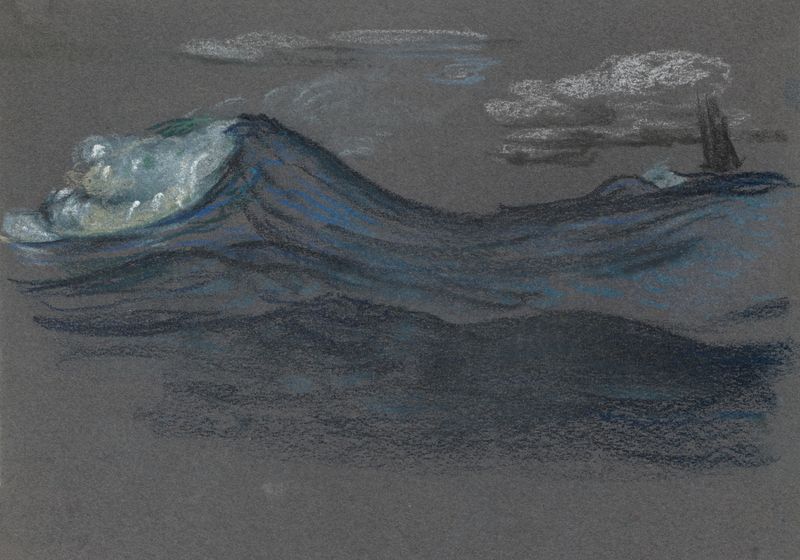
Ocean Swells
Arthur Bowen Davies

Silver Springs
Arthur Bowen Davies
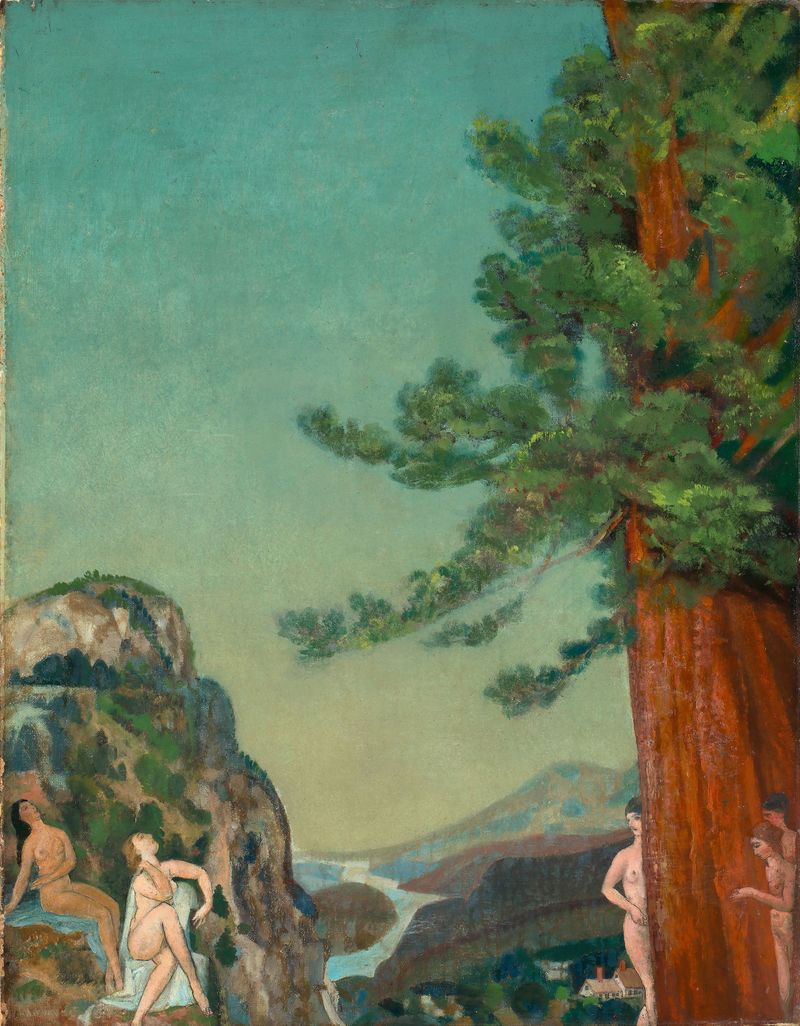
On the Cliffs
Arthur Bowen Davies
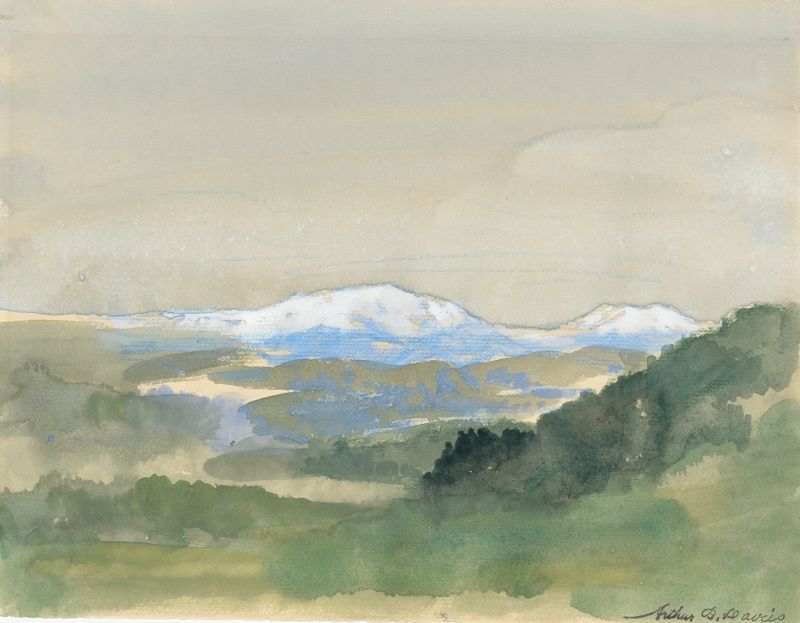
Landscape
Arthur Bowen Davies
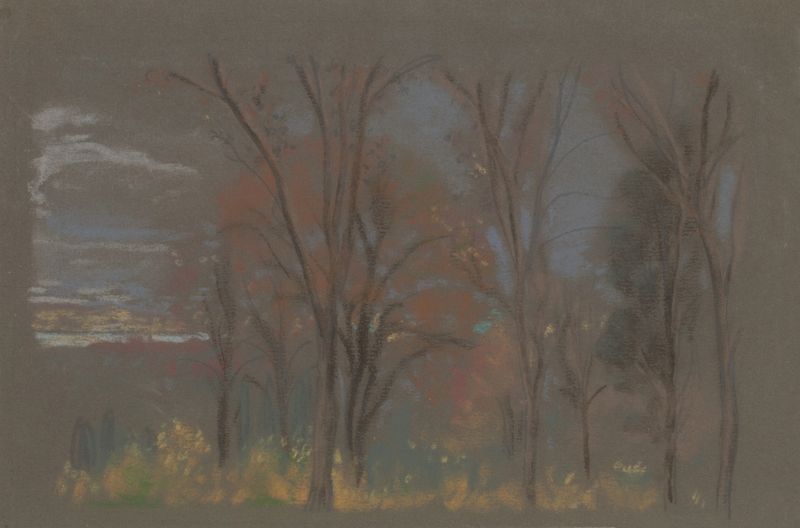
Autumn Woods
Arthur Bowen Davies

Italian Hill Town
Arthur Bowen Davies

View through Poplars
Arthur Bowen Davies
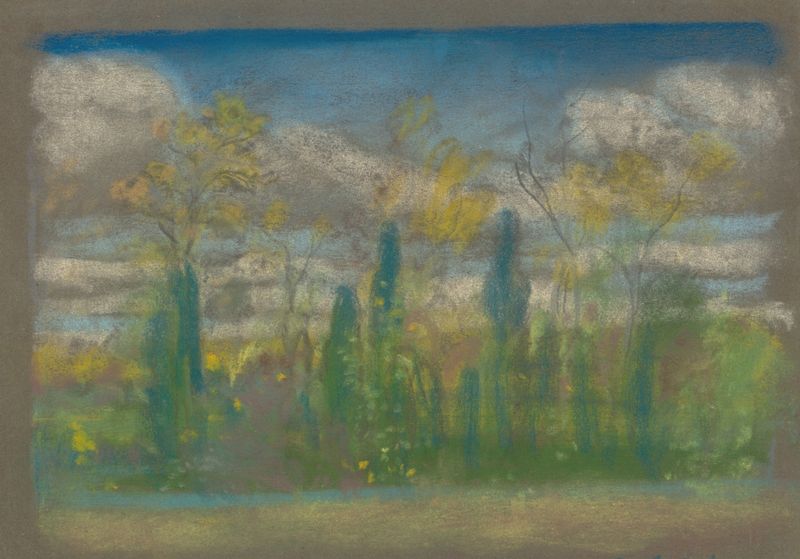
Spring
Arthur Bowen Davies
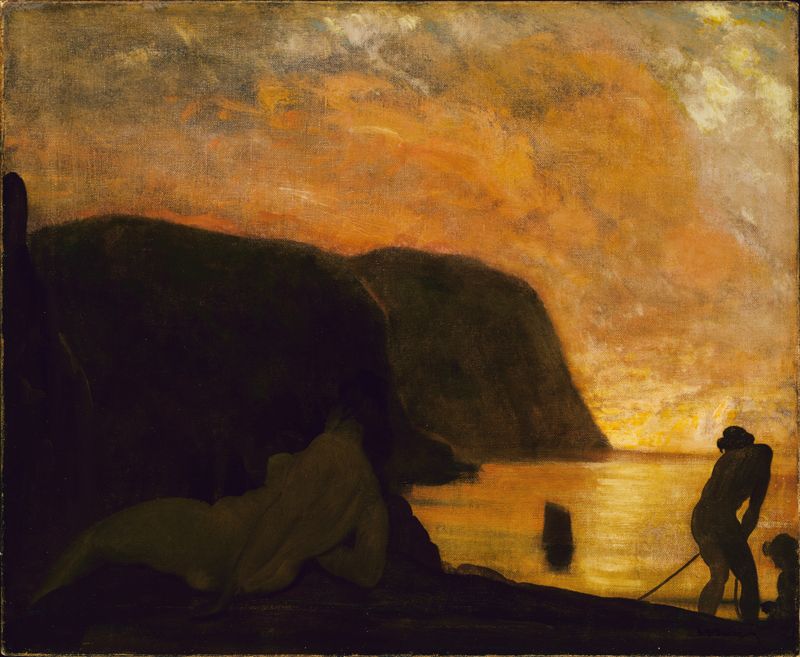
A Greater Morning
Arthur Bowen Davies

The Lake
Arthur Bowen Davies





