
Hippotigris Quacha — History & Facts
In Hippotigris Quacha, the viewer is presented with a striking depiction of the quagga, a now-extinct zebra species. The painting features a blend of earthy tones and soft pastels, creating a naturalistic atmosphere. The quagga stands prominently in the foreground, showcasing its unique striped pattern, which is distinct from other zebra species.
The background is a gentle landscape, suggesting the animal's natural habitat. The painting is executed in oil on canvas, a medium that allows for rich texture and depth. The brushwork is detailed, particularly in the rendering of the quagga's fur and the surrounding foliage. The dimensions of the artwork are approximately 60 x 80 cm, making it a medium-sized piece that invites close inspection.
The composition balances the quagga with its environment, emphasizing the connection between the animal and its habitat. Charles Hamilton Smith was a British artist known for his detailed studies of animals and natural history. Hippotigris Quacha is particularly interesting as it captures a species that has been extinct since the late 19th century, highlighting the impact of human activity on wildlife. Smith's work often combined scientific observation with artistic expression, making his paintings valuable both artistically and historically.
This piece serves as a reminder of the fragility of species and the importance of conservation.
More Artworks by Charles Hamilton Smith

Marengo, Bonaparte’s Arab
Charles Hamilton Smith
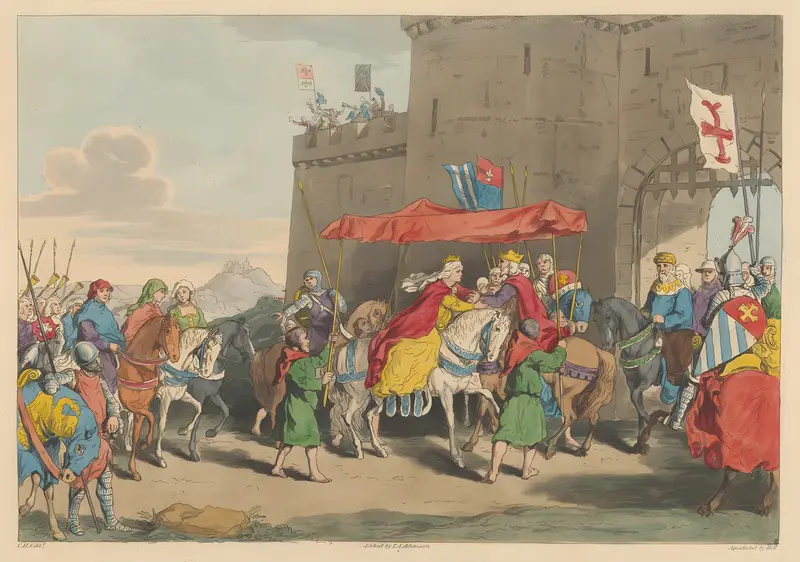
Costume of the Reign of King Henry III
Charles Hamilton Smith
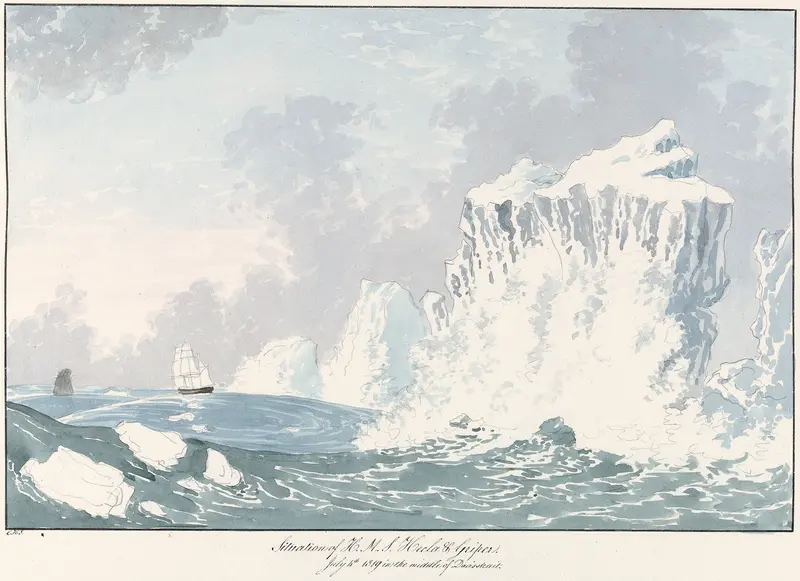
Situation of H.M.S. Hecla & Griper
Charles Hamilton Smith
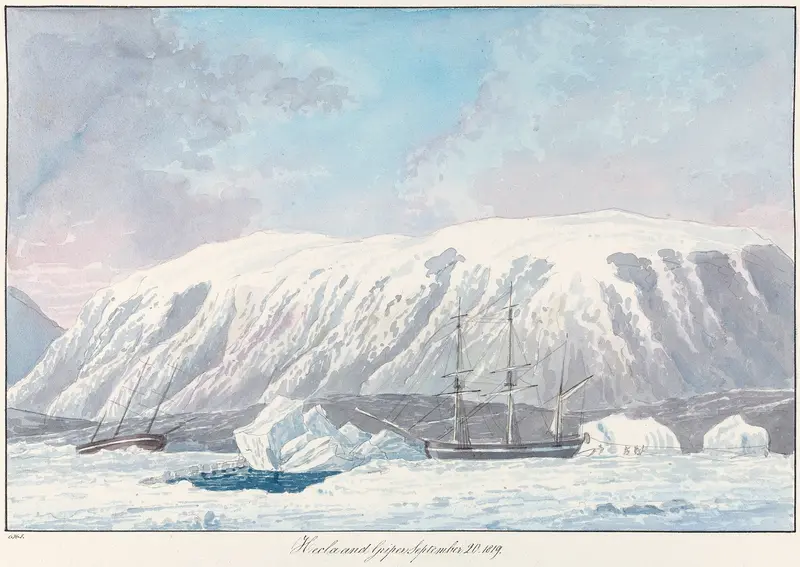
Hecla and Griper
Charles Hamilton Smith
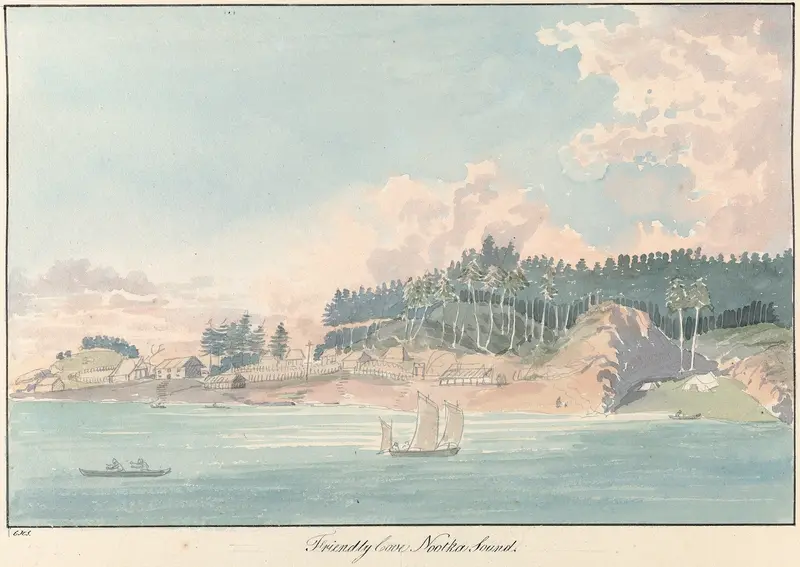
Friendly Cove, Nootka Sound
Charles Hamilton Smith
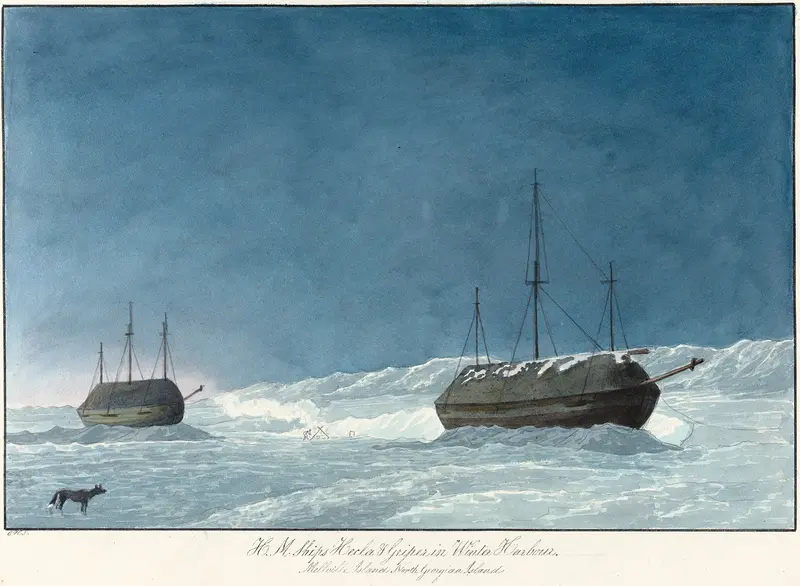
H. M. Ships Hecla and Griper in Winter Harbour
Charles Hamilton Smith
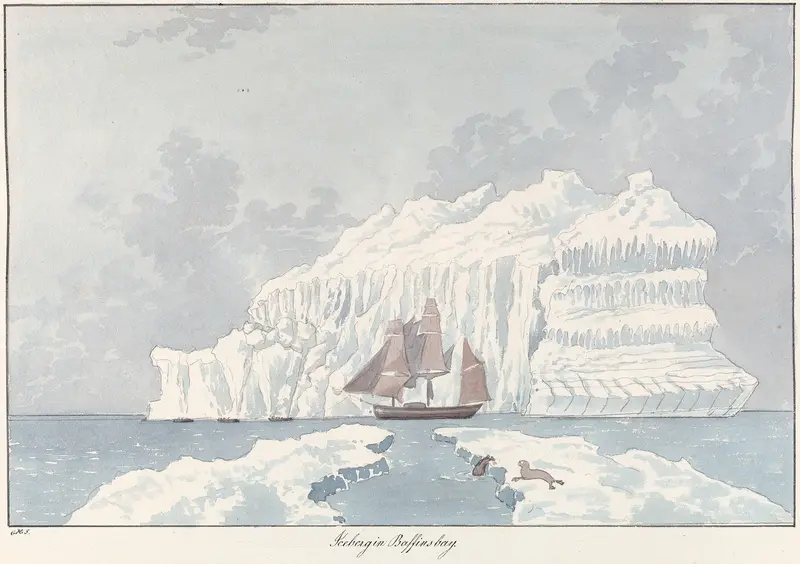
Iceberg in Baffin’s Bay
Charles Hamilton Smith
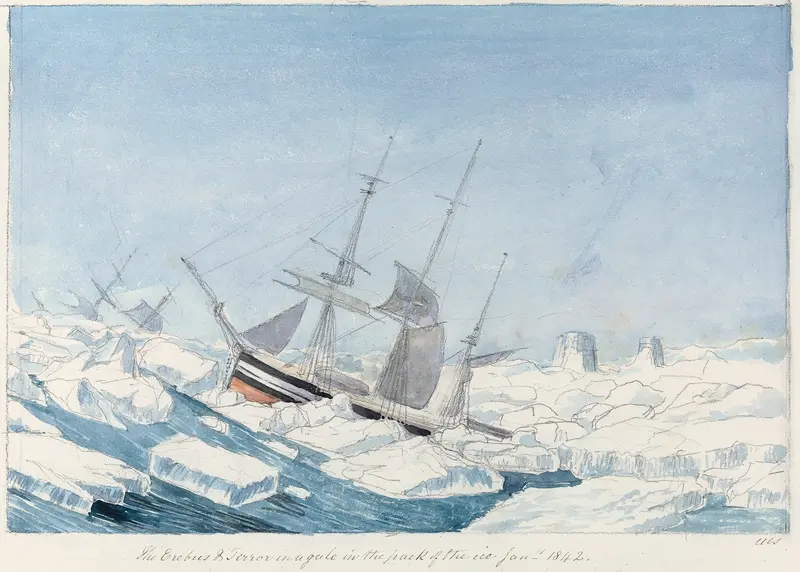
The Erebus & Terror in a Gale in the Pack of the Ice
Charles Hamilton Smith
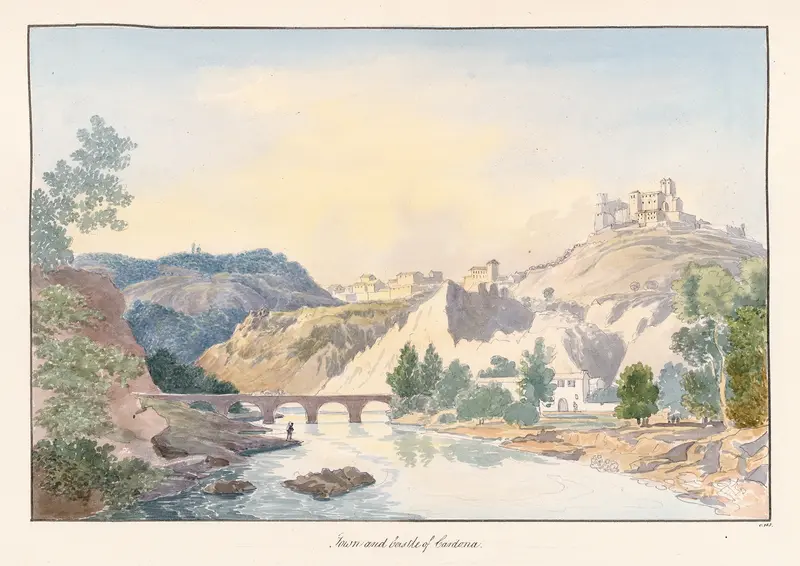
Town and Castle of Cardona
Charles Hamilton Smith
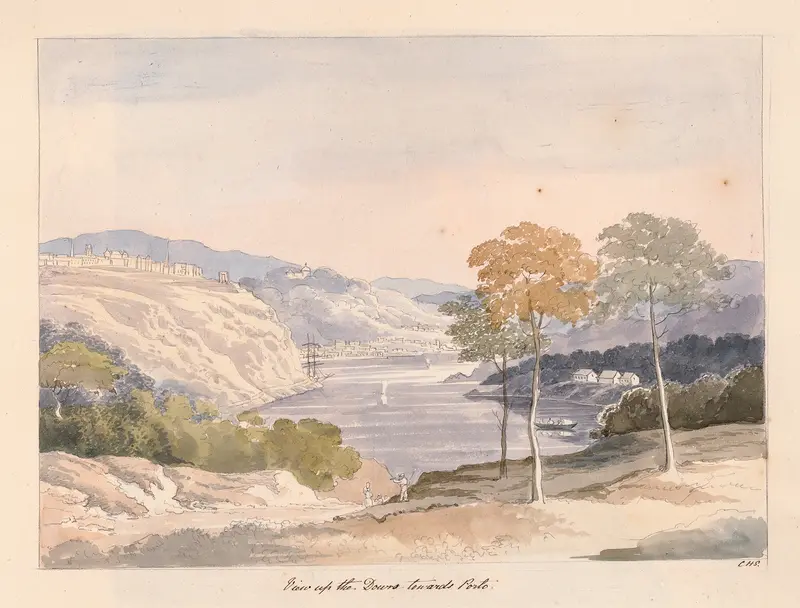
View of the Douro towards Porto
Charles Hamilton Smith





