
Hiratsuka — History & Facts
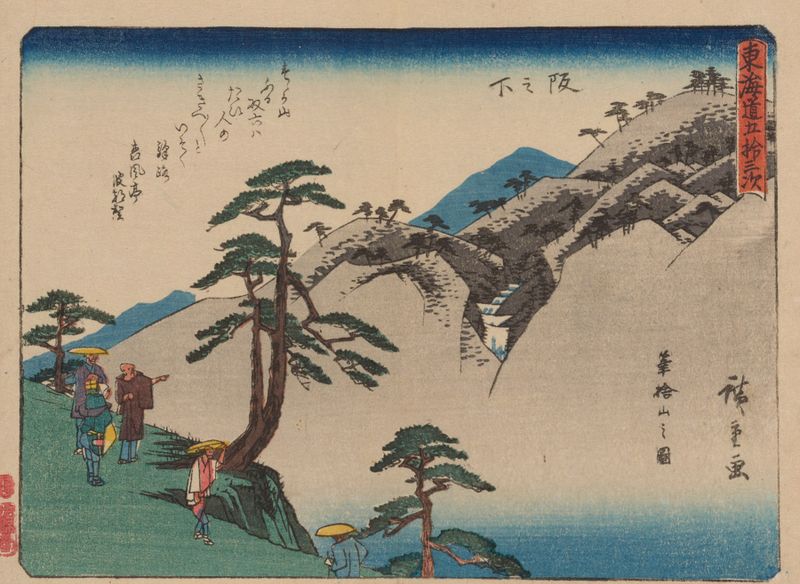
Can beauty exist without sorrow? In Hiratsuka, Utagawa Hiroshige invites us to contemplate this profound question as we witness a serene moment that hints at the complexities of life. The artwork captures the delicate balance of nature’s awakening, where the vibrant hues of spring juxtapose with the impending shadow of loss. Look to the foreground, where cherry blossoms burst forth in soft pinks and whites, their petals a fleeting promise of joy. Notice how the light filters through the branches, creating a dappled pattern on the ground, drawing your gaze to the tranquil river that flows beneath.
The composition is masterful, with the horizon subtly guiding your eyes towards distant mountains, painted in soft blues that evoke both peace and melancholy. Beneath the surface beauty, the piece embodies a tension between transience and renewal. The blossoms, often symbols of ephemeral beauty, remind us of the inevitability of change and loss. The calm river mirrors this duality, flowing steadily yet hinting at turbulence beneath, suggesting that every moment of joy carries with it the weight of what has been or will be lost.
Each element in the scene reflects a deeper understanding of life’s cycles, weaving together themes of hope and sorrow. In 1855, Hiroshige created this work during a period of heightened artistic exploration in Japan, embracing the ukiyo-e style that celebrated the fleeting beauty of the world. Japan was undergoing significant social change, and the artist’s focus on nature and everyday life provided a refuge through his art. This piece stands as a testament to his ability to capture the essence of a moment, inviting viewers to reflect on their own experiences of beauty and pain.
More Artworks by Utagawa Hiroshige
Browse all →
Sudden Shower over Shin Ohashi Bridge and Atake (Ohashi Atake no yudachi), from the series "One Hundred Famous Views of Edo (Meisho Edo hyakkei)"
Utagawa Hiroshige
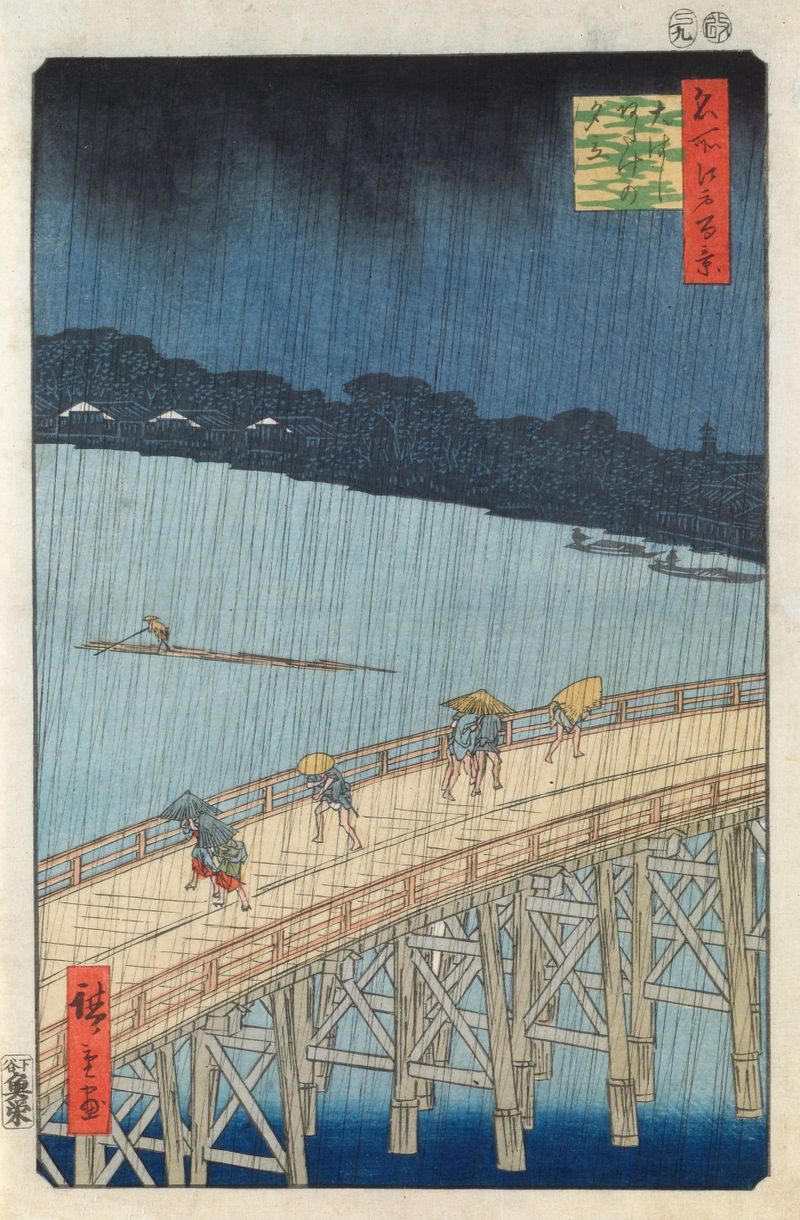
Sudden Shower Over Ohashi Bridge and Atake
Utagawa Hiroshige
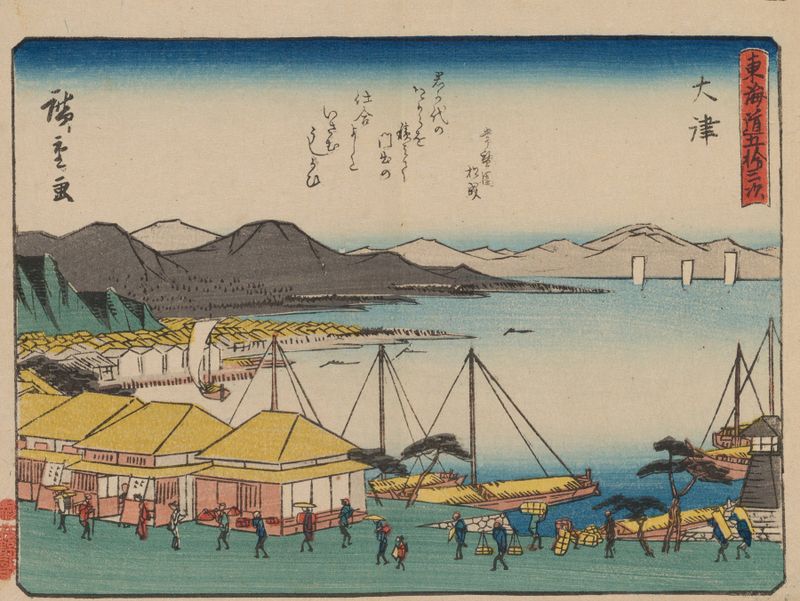
Tokaido gojusantsugi, Pl.54
Utagawa Hiroshige
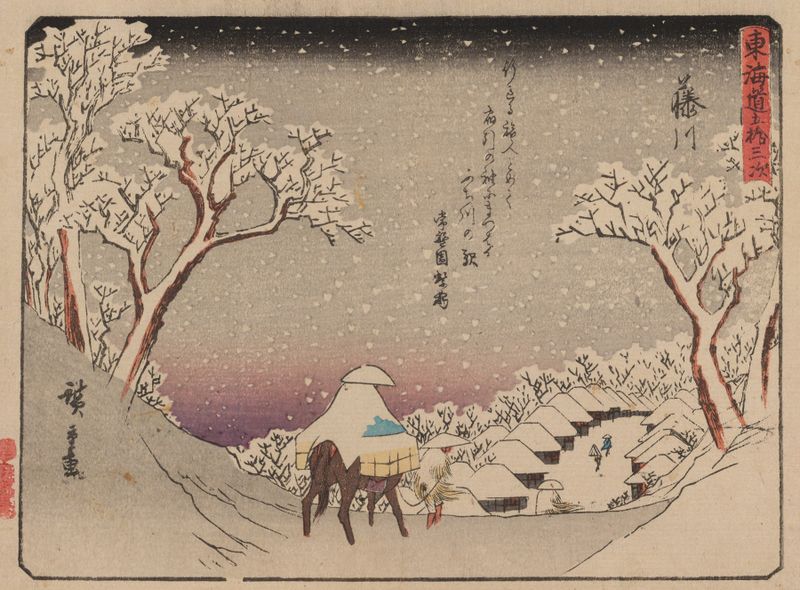
Tokaido gojusantsugi, Pl.38
Utagawa Hiroshige
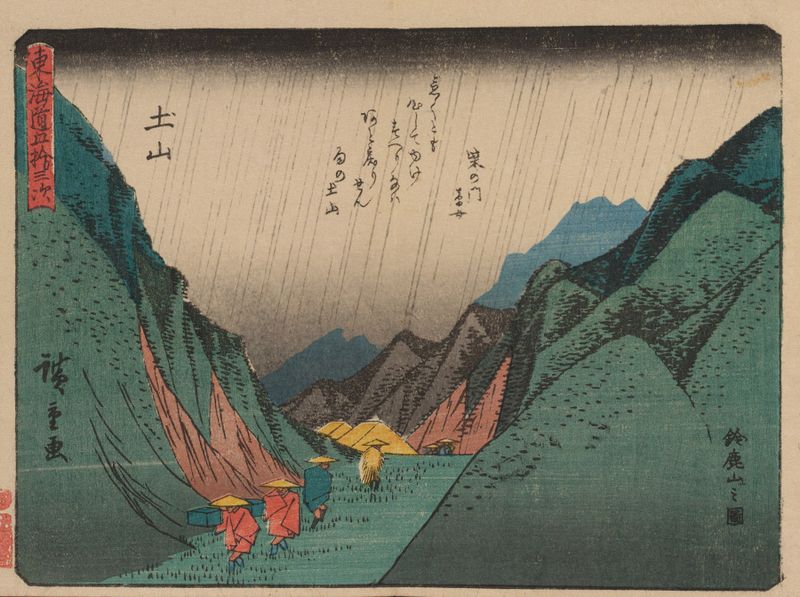
Tokaido gojusantsugi, Pl.50
Utagawa Hiroshige
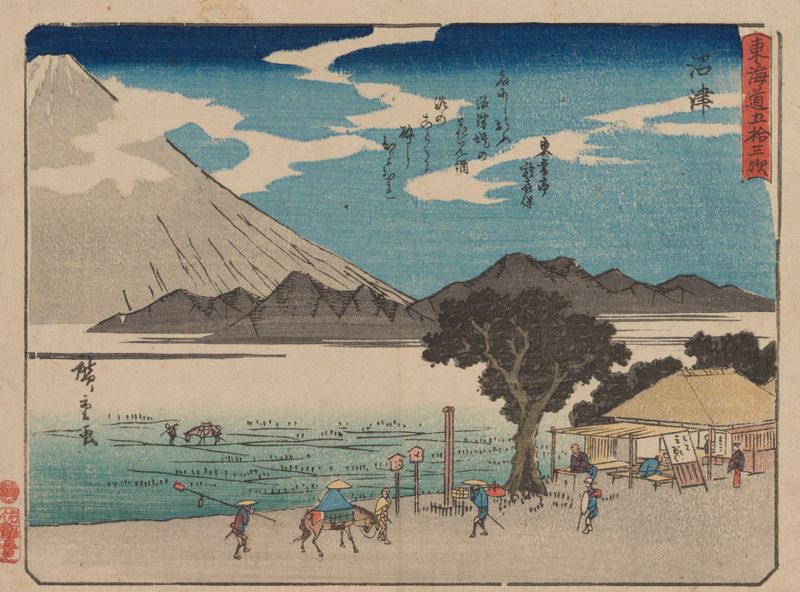
Tokaido gojusantsugi, Pl.13
Utagawa Hiroshige
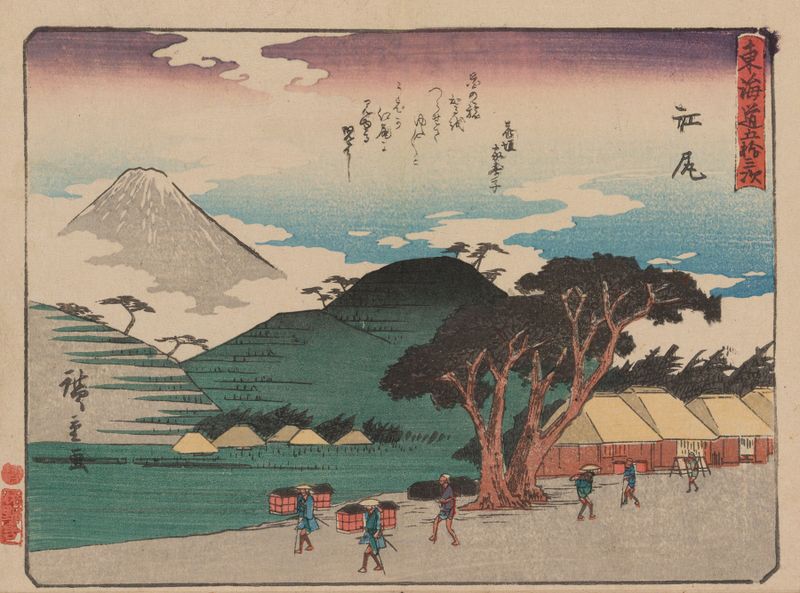
Tokaido gojusantsugi, Pl.19
Utagawa Hiroshige
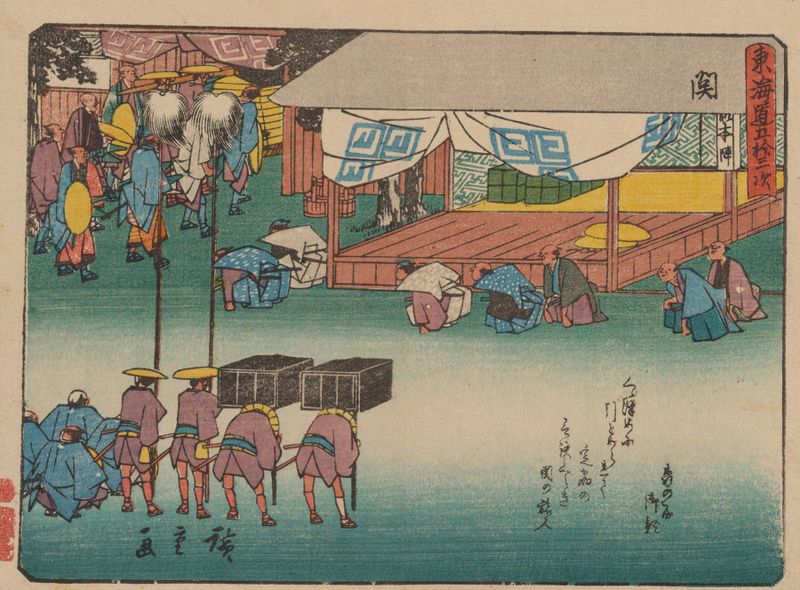
Tokaido gojusantsugi, Pl.48
Utagawa Hiroshige
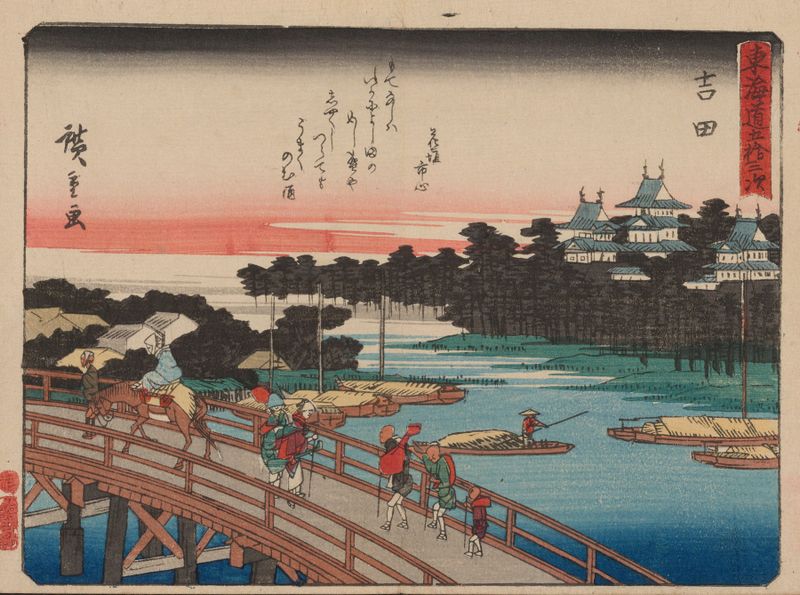
Tokaido gojusantsugi, Pl.35
Utagawa Hiroshige
Tokaido gojusantsugi, Pl.49
Utagawa Hiroshige





