
Hohlweg mit Soldaten, welche Bauern überfallen — History & Facts
In Hohlweg mit Soldaten, welche Bauern überfallen, the viewer is beckoned into a moment of stark confrontation. Look to the left, where the soldiers—rigid and stern—stand poised with weapons drawn, their expressions a blend of duty and menace. Notice how the muted earth tones of their uniforms blend with the shadowy path, creating a stark contrast to the vibrant hues of the surrounding foliage, symbolizing the encroaching danger in this serene landscape. Pay attention to the farmers, caught in a moment of vulnerability, their bodies tense and hesitant against the violence looming near.
The carefully rendered expressions on their faces evoke a raw, emotional tension, revealing a story of helplessness against the forces of conflict. The juxtaposition of nature's beauty with the impending chaos forms a haunting narrative, turning what could be a peaceful scene into one of silent dread. Jacques d'Arthois painted this work during a time when Europe was fraught with turmoil and political strife, reflecting the realities of war that splintered peaceful rural lives. Though the exact date remains unknown, it is likely created in the 17th century, a period marked by conflict and hardship, where artists began to explore deeper human emotions within their landscapes.
D'Arthois, often concerned with the interplay of light and shadow, captures not just a scene but an emotional landscape, echoing the pain of the era.
More Artworks by Jacques d'Arthois
Browse all →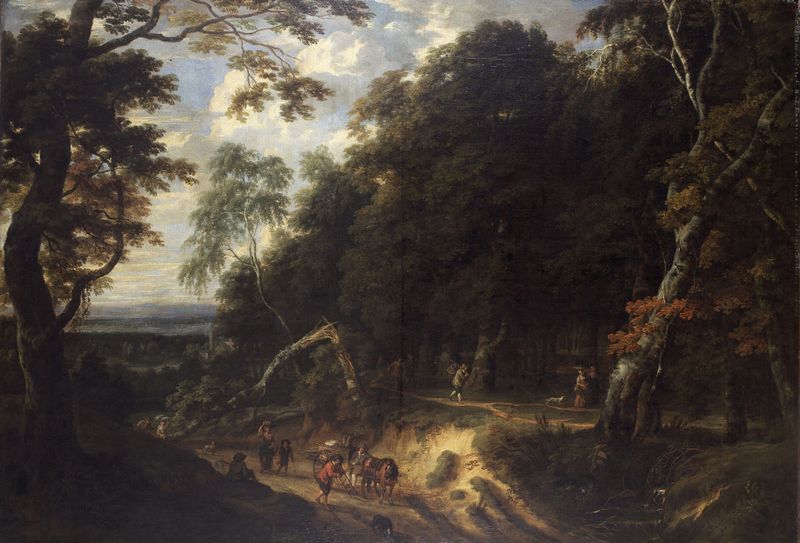
The Soignes Forest with Figures
Jacques d'Arthois

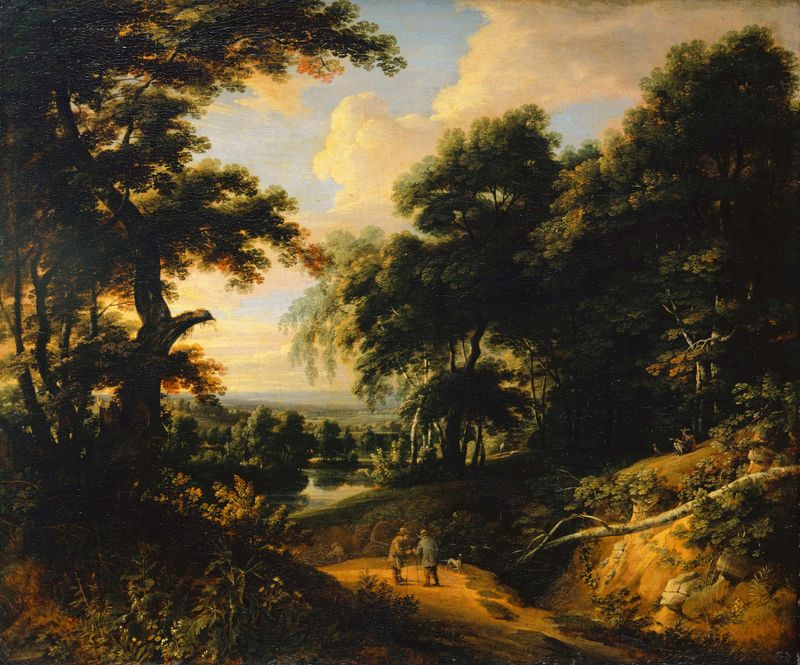
Landscape with Entrance to a Forrest
Jacques d'Arthois
Landscape with Staffage Figures
Jacques d'Arthois
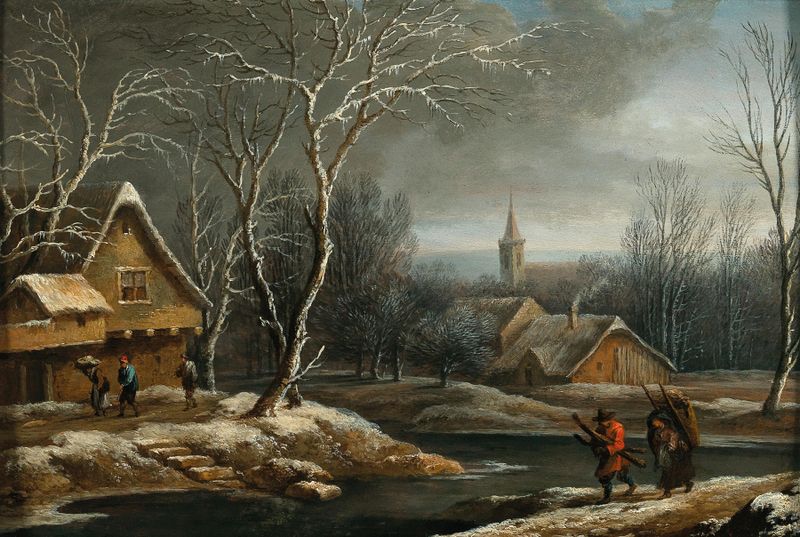
A winter landscape with peasants gathering wood
Jacques d'Arthois

Cesta k jazeru
Jacques d'Arthois

Landscape
Jacques d'Arthois
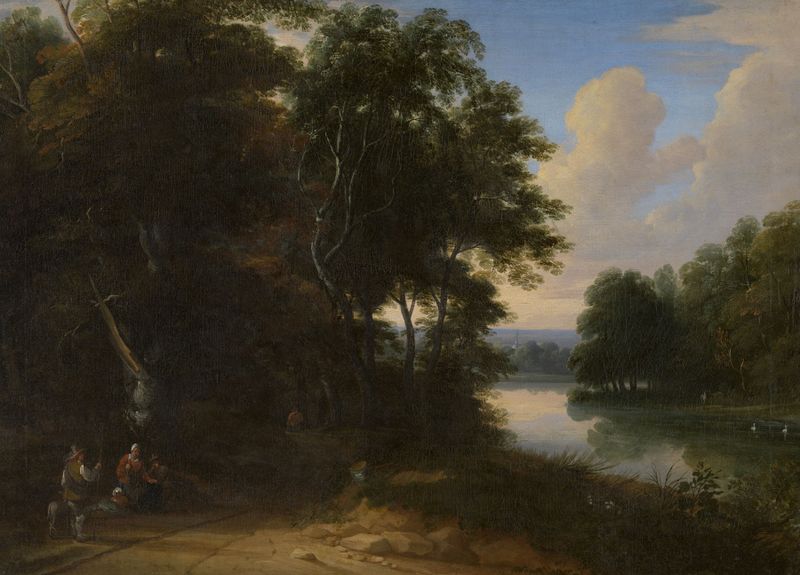
Wooded Landscape with River
Jacques d'Arthois

Forest landscape with figures
Jacques d'Arthois
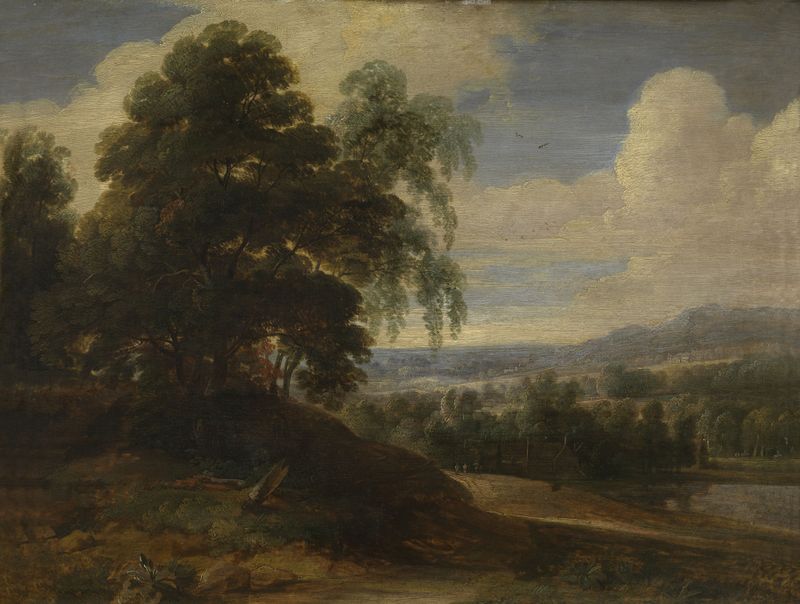
Landscape
Jacques d'Arthois
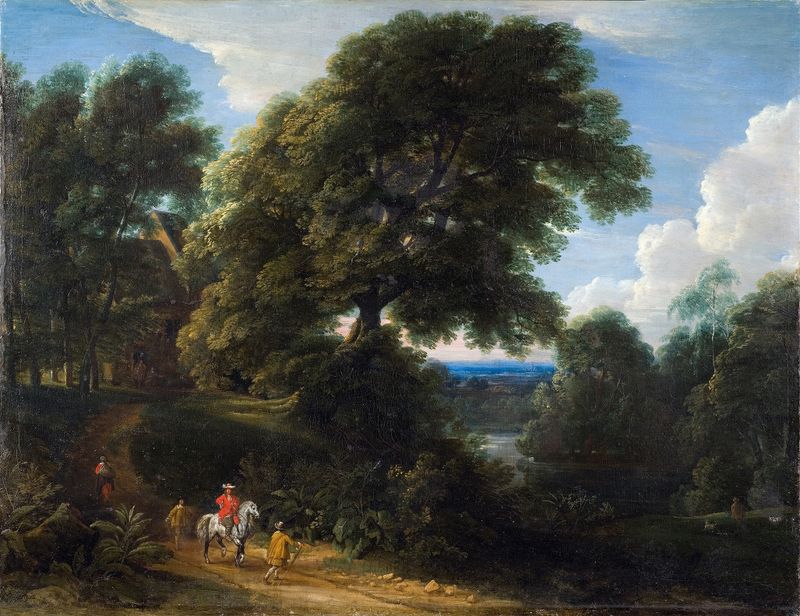
Landscape with a Rider in Red
Jacques d'Arthois
More Historical Art
Browse all →
The Night Watch Militia Company of District II under the Command of Captain Frans Banninck Cocq
Rembrandt van Rijn

Lincoln Memorial
Henry Bacon

The Third of May 1808
Francisco de Goya

Isaac and Rebecca, Known as ‘The Jewish Bride’
Rembrandt van Rijn

The Charge of the Mamelukes (1814)
Francisco de Goya

De vier ruiters van de apocalyps
Albrecht Dürer