
Holtzken Hotel, Brigantine Beach — History & Facts
Can paint confess what words never could? In Holtzken Hotel, Brigantine Beach, the canvas speaks of fleeting moments and ephemeral beauty, whispering the eternal truths of existence that slip through our fingers like grains of sand. Look to the right at the delicate interplay of light and shadow across the hotel’s facade, where architectural details are lovingly rendered in soft pastels. Notice how the vibrant blues of the sky meet the gentle browns of the sand, creating a harmonious backdrop that draws the eye to the central edifice. Each brushstroke captures the essence of a lively seaside retreat, while the foreground teems with figures moving about, their casual gestures frozen in time. Yet, amid the inviting atmosphere, a subtle tension lingers.
The hotel stands as both a symbol of leisure and a reminder of mortality, suggesting that joy is often a fleeting guest. The juxtaposition of the carefree visitors and the enduring structure evokes a poignant reflection on the transient nature of life and the inevitability of time’s passage. The figures, caught in their moment of respite, also hint at stories untold—each face a narrative of longing or reminiscence. James Fuller Queen painted this work in 1855, during a period when American art was increasingly exploring themes of leisure and nostalgia.
Working from his studio in Philadelphia, he sought to capture the allure of coastal life at a time when seaside resorts were rapidly gaining popularity. This piece not only reflects his personal experiences but also resonates with the broader societal embrace of summer retreats, making it a fascinating snapshot of both individual and collective aspirations.
More Artworks by James Fuller Queen
Browse all →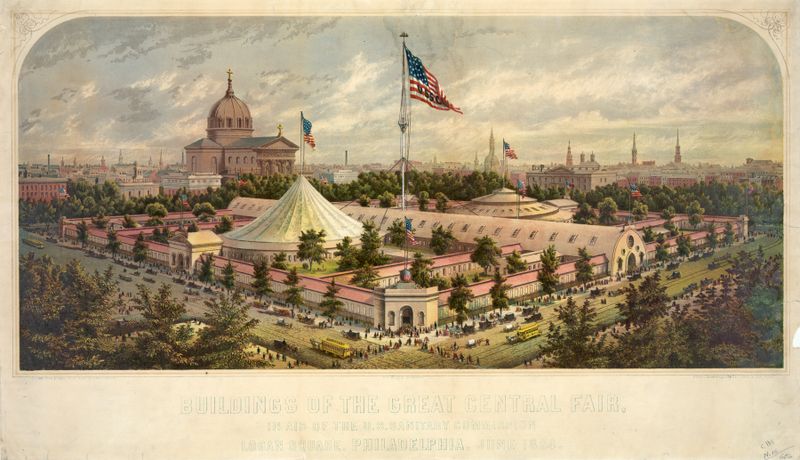
Buildings of the Great Central Fair, in aid of the U.S. Sanitary Commission, Logan Square, Philadelphia, June 1864
James Fuller Queen
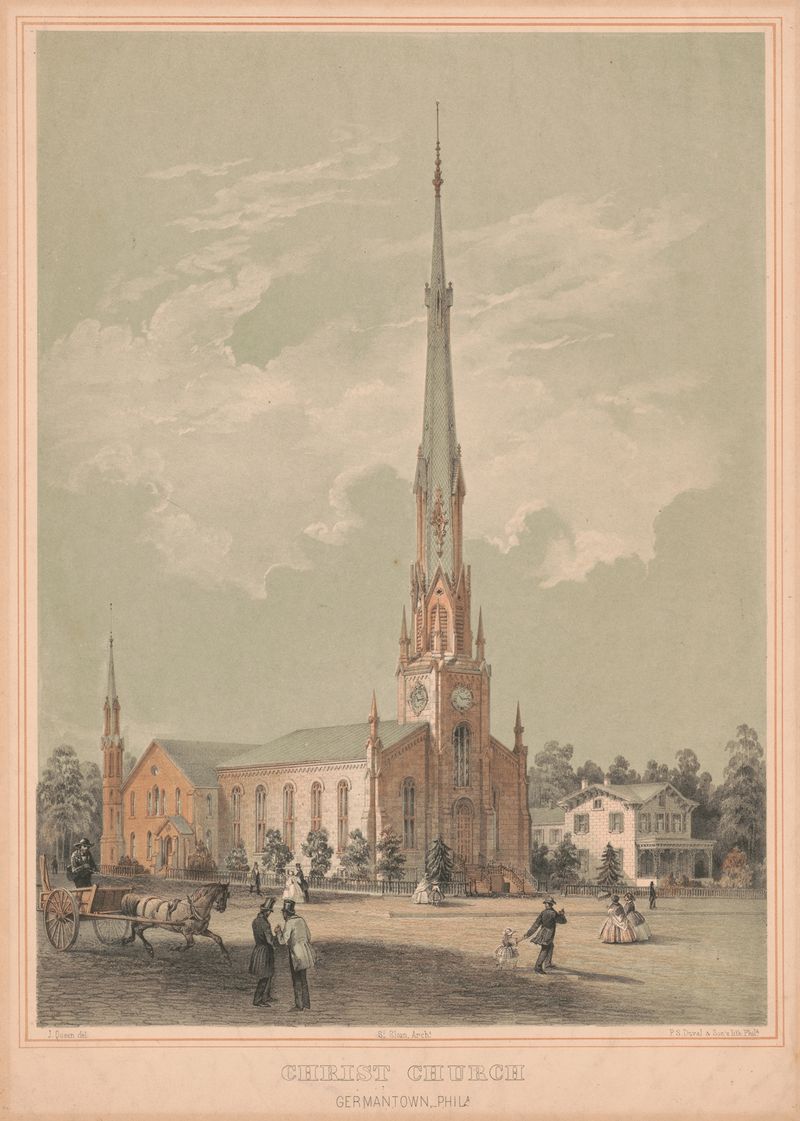
Christ Church, Germantown, Phila.
James Fuller Queen
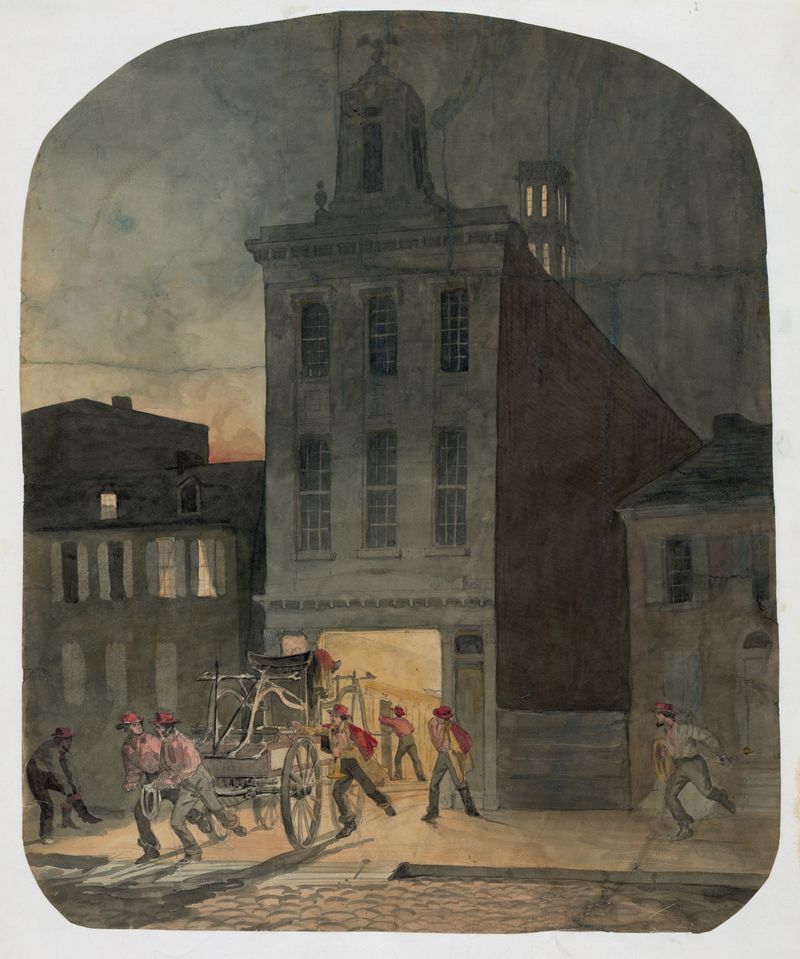
Firehouse scene in Philadelphia showing firemen from the Weccacoe Engine Company
James Fuller Queen
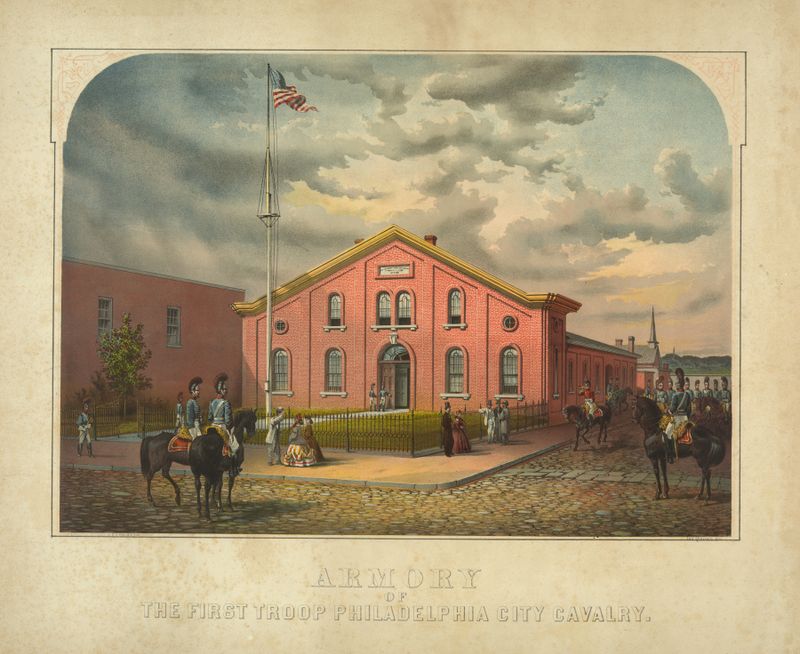
Armory of the First Troop Philadelphia City Cavalry
James Fuller Queen
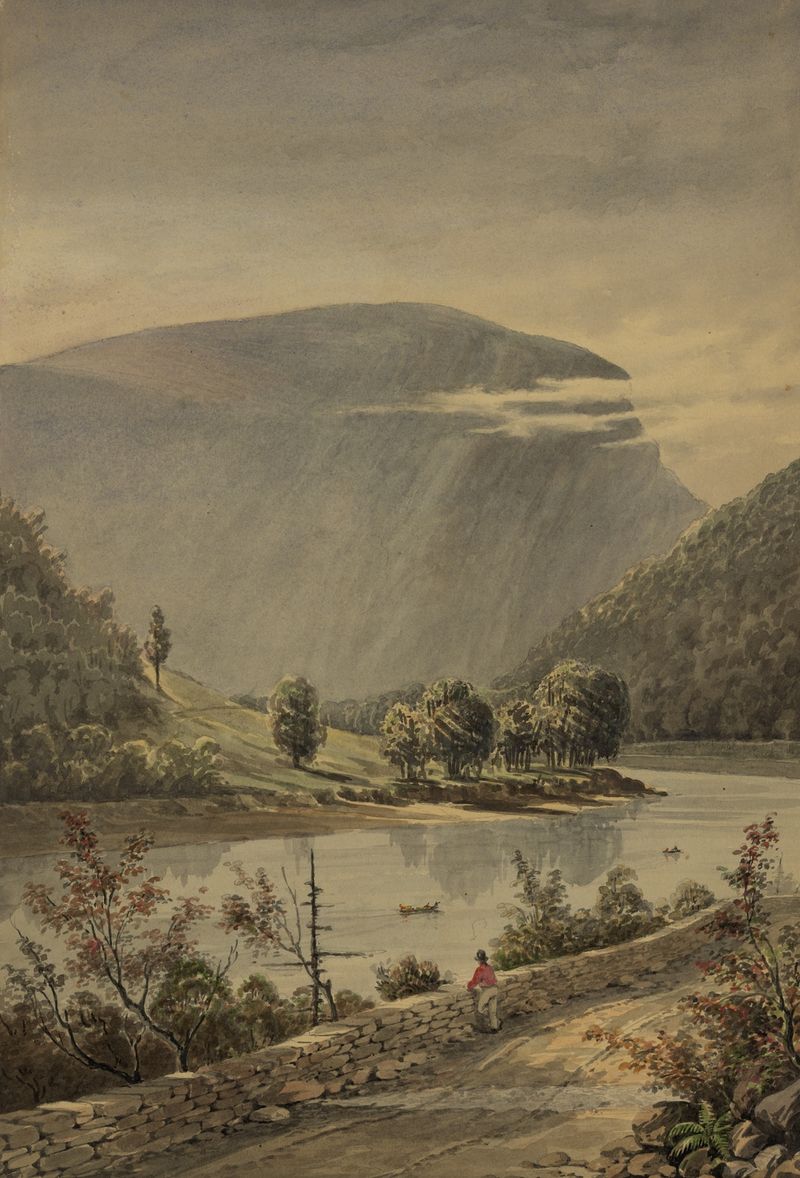
Delaware Water Gap
James Fuller Queen
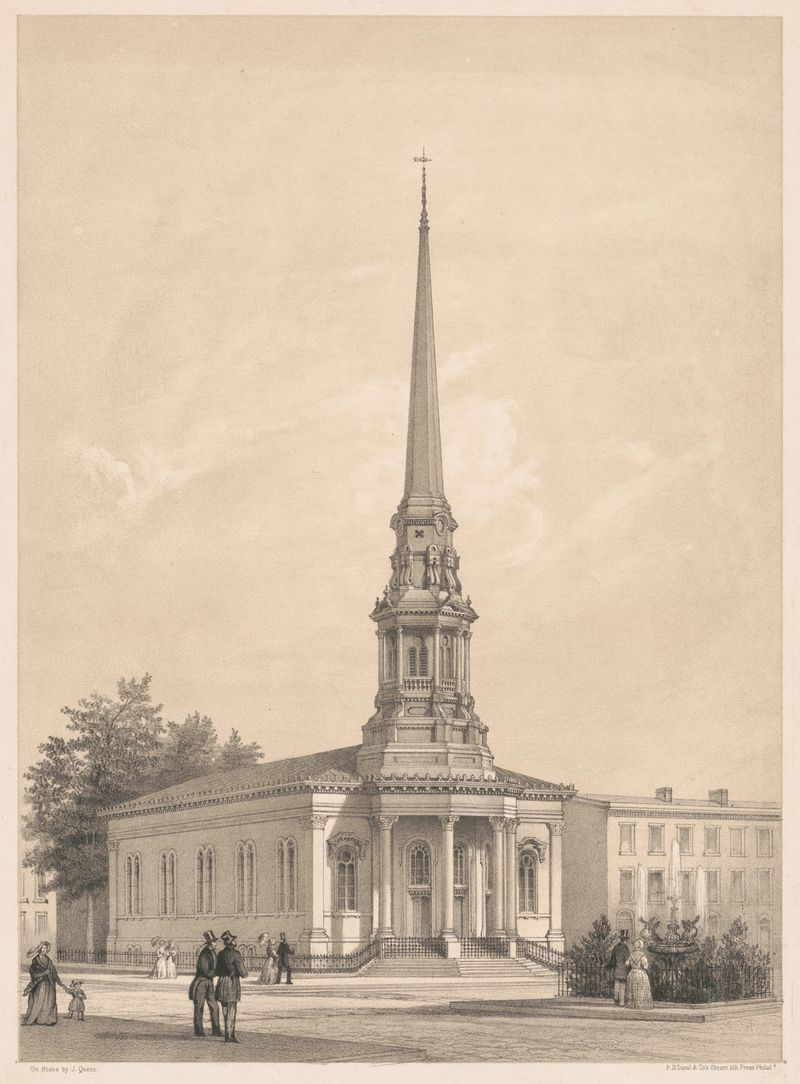
The Fourth Baptist Church, N.W. corner of Fifth & Buttonwood Streets, Philadelphia
James Fuller Queen
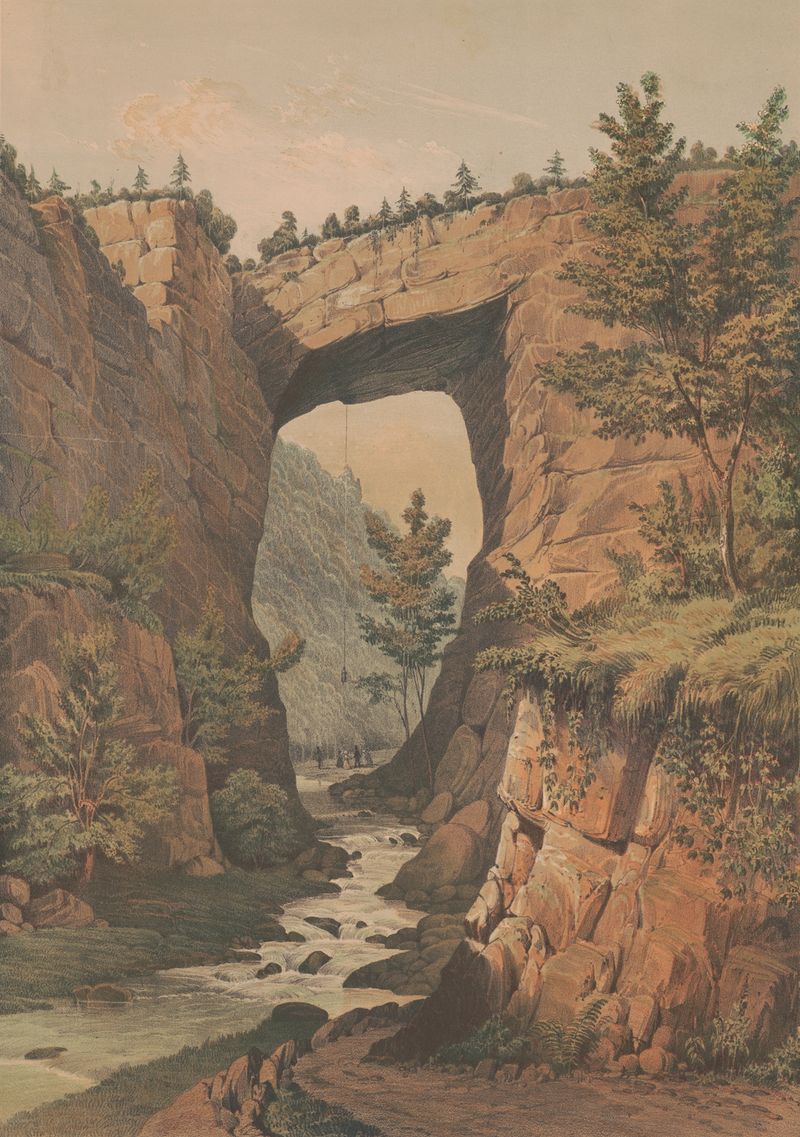
The natural bridge, Rockbridge County, Va. from a sketch by Maj. Ths. H. Williamson
James Fuller Queen
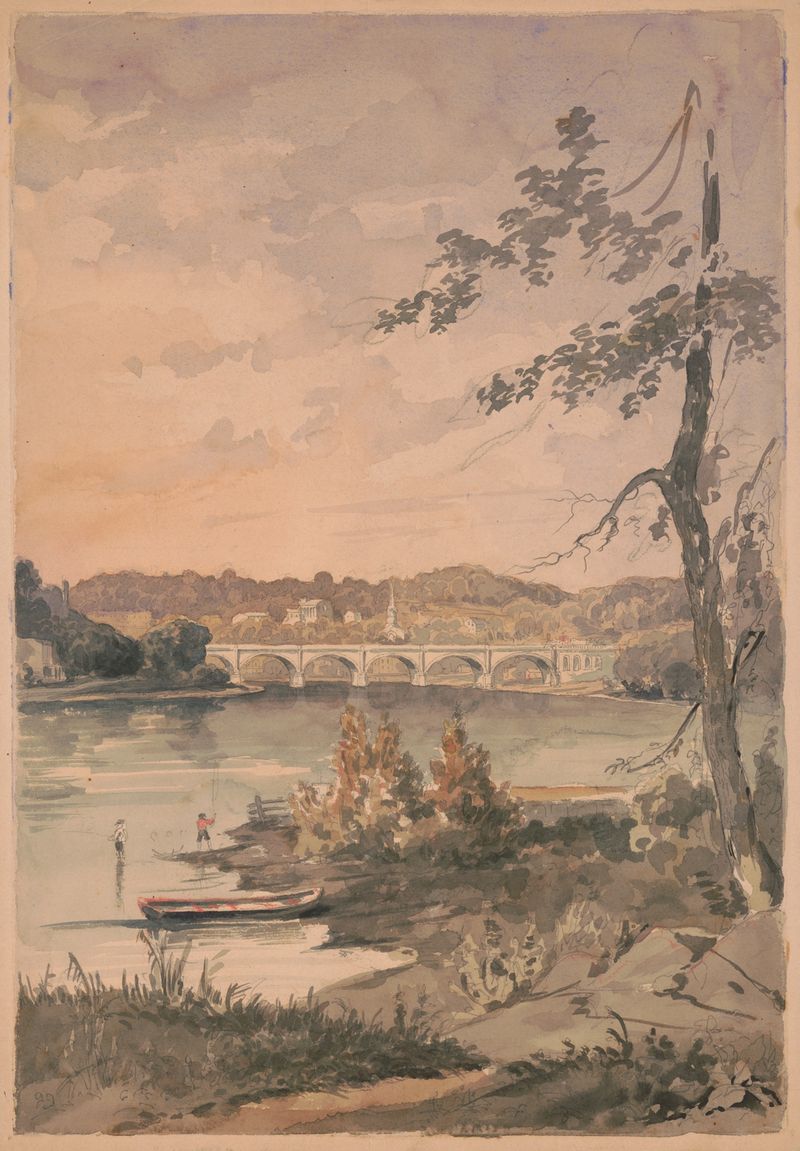
Boys fishing on the banks of the Schuylkill River in Philadelphia
James Fuller Queen

Schuylkill Arsenal at sunset, from across the Schuylkill River, looking west
James Fuller Queen

Explosion of the Alfred Thomas at Easton Pa. March 6th 1860
James Fuller Queen
More Architecture Art
Browse all →
The statue of Liberty
Frédéric Auguste Bartholdi

View of Houses in Delft, Known as ‘The Little Street’
Johannes Vermeer

View of Houses in Delft, Known as ‘The Little Street’
Johannes Vermeer

The Cathedral in Rouen. The portal, Grey Weather
Claude Monet

The yellow house
Vincent van Gogh

The Church in Auvers-sur-Oise, View from the Chevet
Vincent van Gogh