
Homecoming of the Field Workers — History & Facts
In the quietude of Homecoming of the Field Workers, a breath of melancholy lingers, inviting us to reflect on the deeper narratives behind labor and rest. Look to the left where the weary figures emerge from the golden expanse of harvested fields, their backs slightly bent, embodying a profound sense of fatigue. Notice how the warm hues of sunset bathe their sun-kissed skin in soft oranges and muted browns, creating a palpable contrast with the cool shadows that stretch behind them. The delicate brushwork captures not only their physical exhaustion but also the weight of unspoken stories carried in their tired eyes. As you explore further, you’ll find subtle details — a child, whose small hand clutches a withered flower, symbolizing innocence amidst hardship.
The way the workers walk with their heads lowered hints at a shared burden, yet there’s an underlying thread of hope woven into the composition. The expansive sky, tinged with violet hues, offers a sense of eternity, reminding us that every end holds the promise of renewal. Albert Flamm painted this piece during a period marked by social change and the rise of modernism in Europe. While the exact date remains unclear, the work reflects the artist's engagement with the realities of rural life and the dignity of labor.
In an era where many artists were turning towards abstraction, Flamm’s focus on human connection and the landscape reveals a dedication to storytelling through his art.
More Artworks by Albert Flamm
Browse all →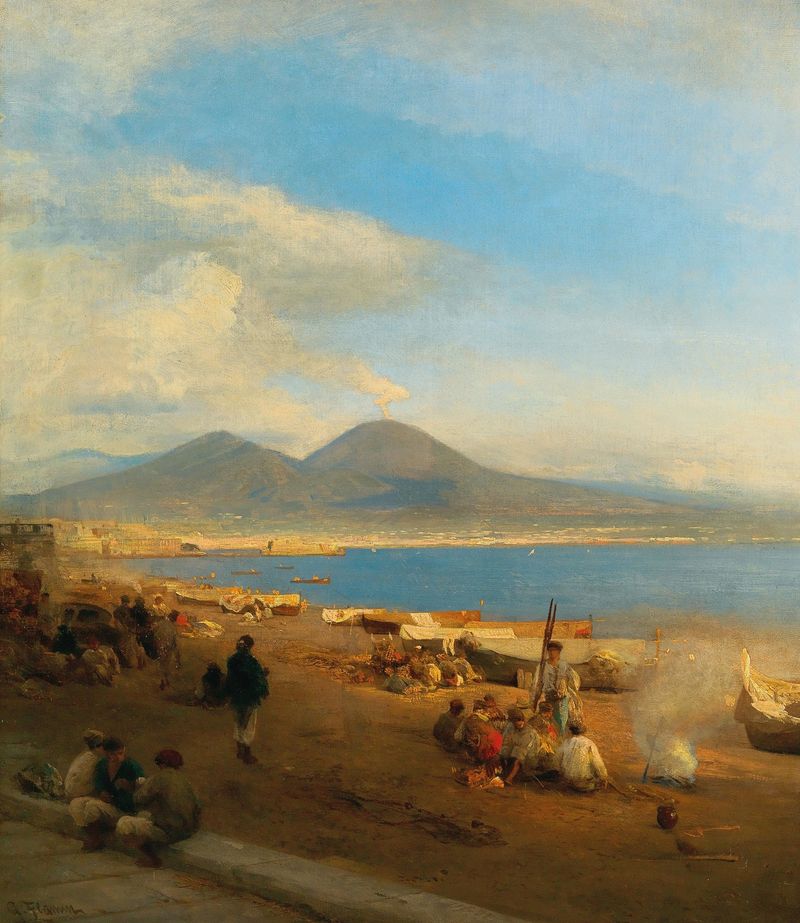
A view of the Gulf of Naples from Posilippo
Albert Flamm
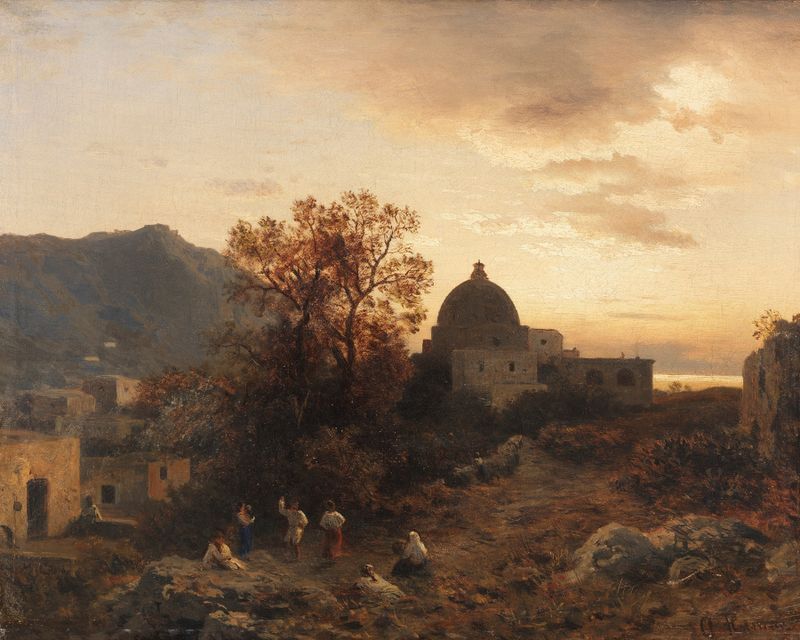
Abendstimmung an der italienischen Küste mit tanzenden Figuren
Albert Flamm
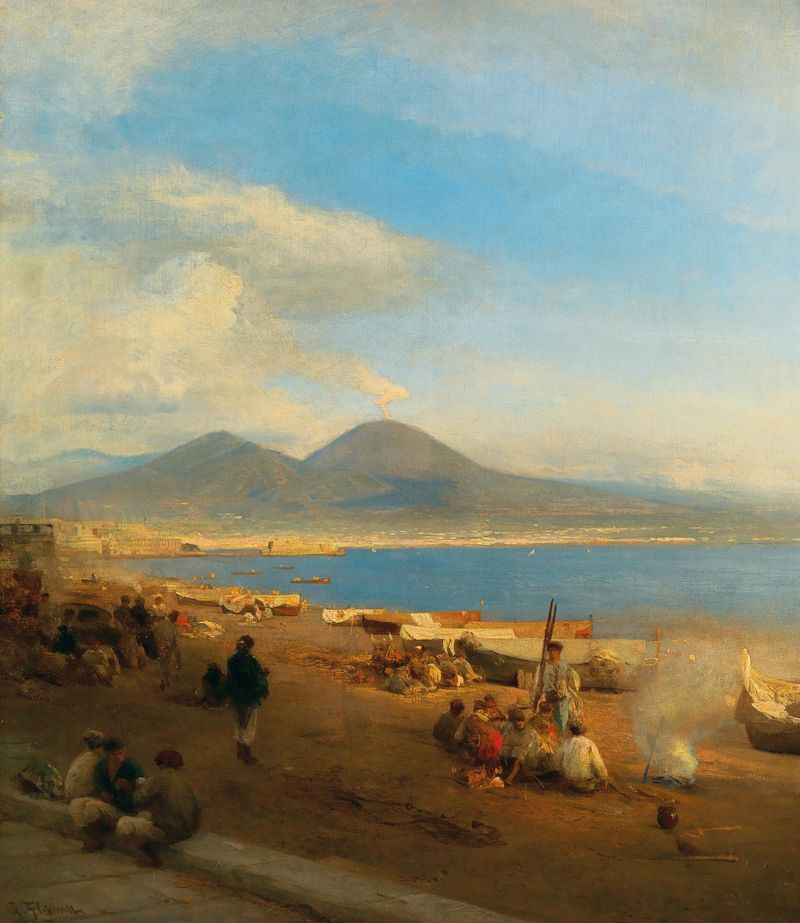
A View Of The Gulf Of Naples From Posilippo
Albert Flamm

Abendstimmung am Rhein
Albert Flamm

Badende Frauen am Golf von Neapel
Albert Flamm
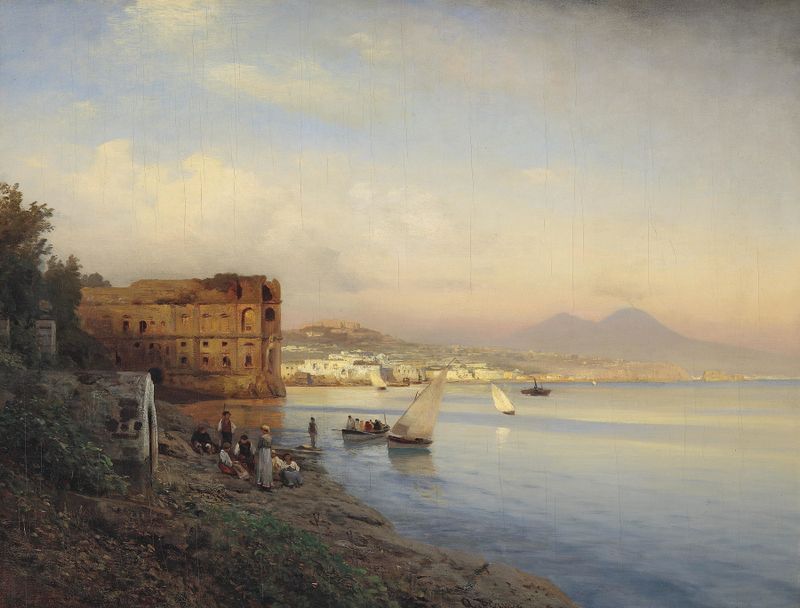
Blick auf die Bucht von Neapel
Albert Flamm

Crab Fishermen On The Beach
Albert Flamm
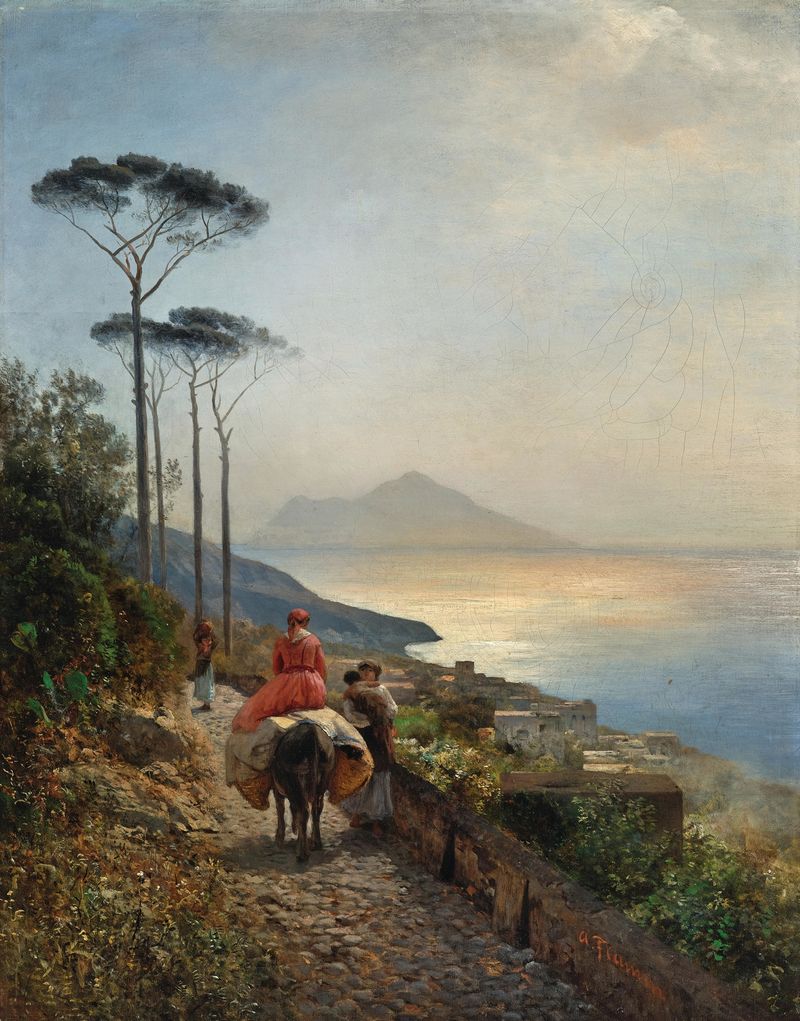
Sunset at the Bay of Naples
Albert Flamm
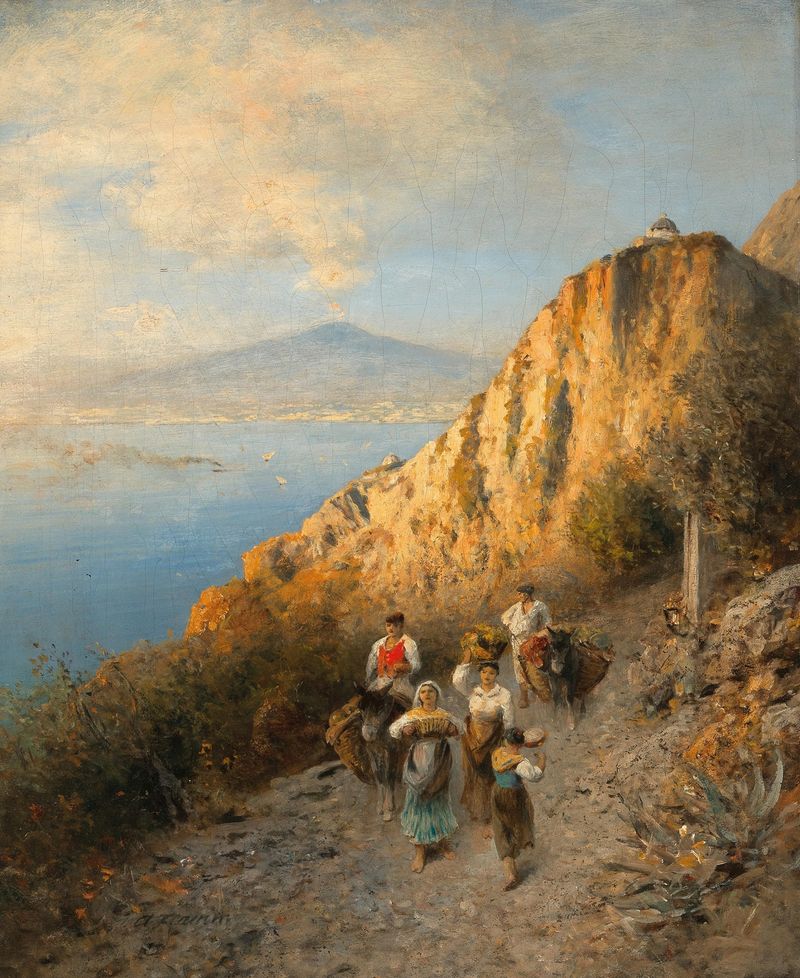
Returning Home from the Market, with Vesuvius in the Background
Albert Flamm
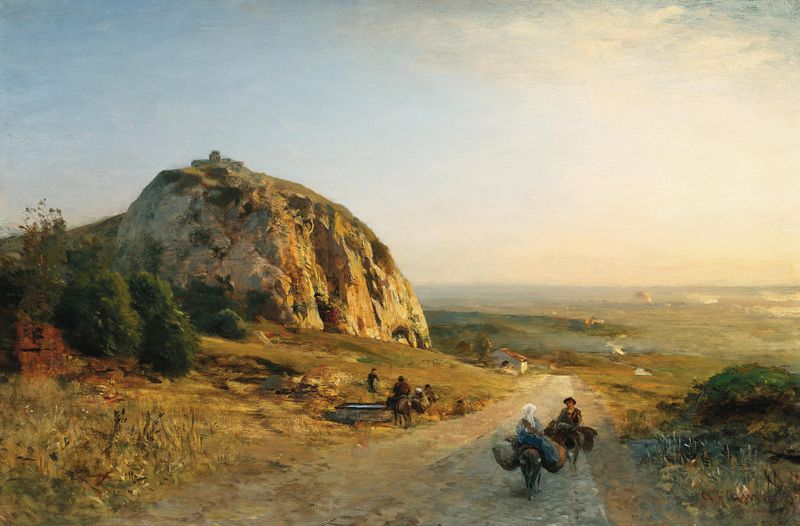
A Landscape in the Campagna
Albert Flamm





