Honfleur, Normandy — History & Facts
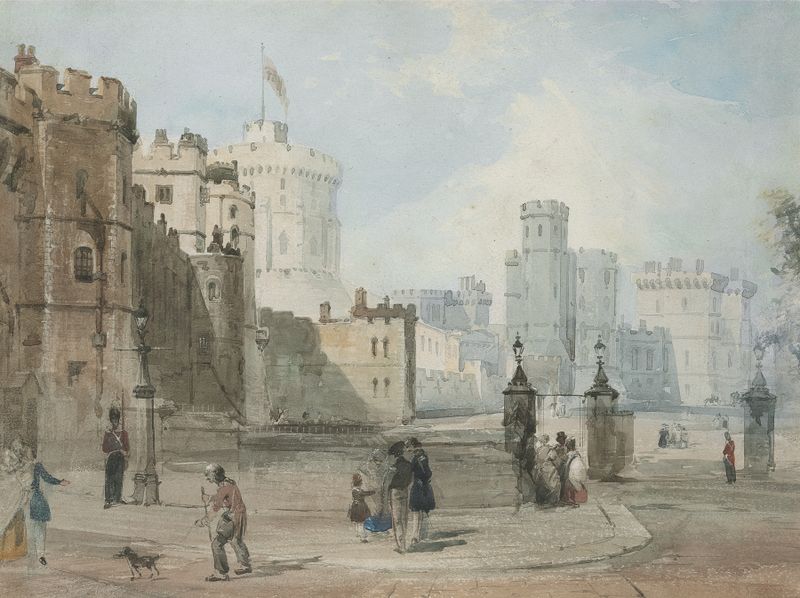
Could a single brushstroke hold eternity? In Honfleur, Normandy, the artist invites us to ponder the transient beauty of a coastal town, momentarily captured yet resonant with the weight of time. Look to the left at the vibrant reflections dancing upon the water, a kaleidoscope of blues and greens that mirrors the tranquility of the sky above. Notice how the delicate play of light illuminates the quaint buildings, their facades gently bathed in sunlight, while shadows stretch languidly towards the horizon. The composition draws your eye inward, leading you through the bustling harbor with its anchored boats, each stroke imbued with a sense of life and movement. As you linger, consider the emotional tension between the serene landscape and the undercurrents of change lurking in the brushstrokes.
The warm hues invoke nostalgia and warmth, yet the soft, indistinct outlines suggest a world increasingly slipping away—a reminder of both beauty and impermanence. It’s a celebration of life’s fragility, encapsulated in a moment that feels both lively and fleeting. William Parrott painted Honfleur, Normandy in 1859, during a period marked by the rise of Impressionism and a growing interest in capturing light and movement. Working in England, he was influenced by the evolving art scene that valued the immediacy of experience over classical ideals.
This painting reflects not just the idyllic locale, but also an artistic moment that sought to embrace the beauty of the everyday, foreshadowing the shifts to come in the world of art.