Windsor Castle From The Thames — History & Facts
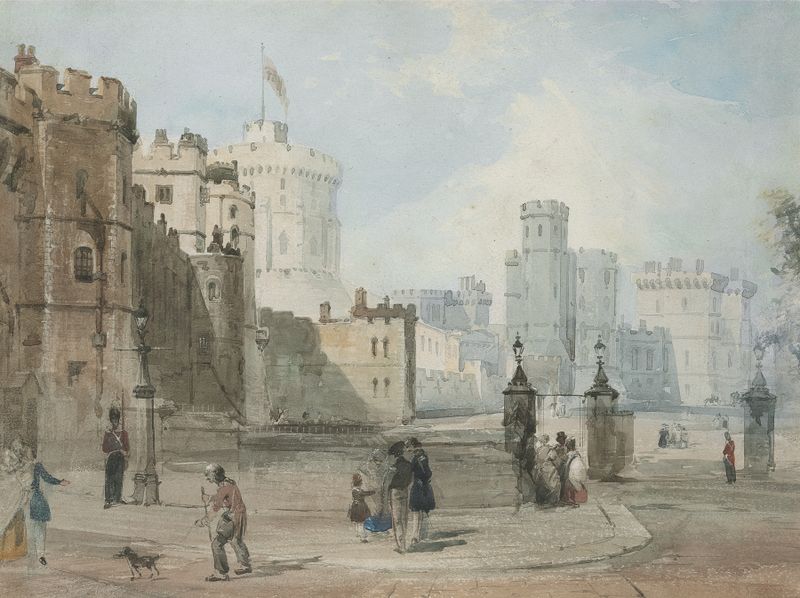
Can beauty exist without sorrow? As the sun dips low on the horizon, casting golden hues across the rippling surface of the Thames, a moment of ecstasy intertwines with the melancholy of history. Focus on the sweeping expanse of the river, where gentle waves dance under the warm embrace of the evening light. Notice how the deep blues and vibrant greens meld together, creating a tapestry that leads your eyes toward the grand silhouette of Windsor Castle. The artist skillfully employs light and shadow, drawing attention to the intricate architectural details that rise majestically against the sky, illustrating a harmonious balance between nature and human achievement. Beneath the surface, the painting whispers tales of time and change.
The tranquil waters reflect not just the castle but also the fleeting moments of joy overshadowed by the weight of history that rests in the shadows. The contrasting serenity of the river and the formidable presence of the castle evoke a sense of longing, suggesting that beauty often carries the burden of remembrance and loss. During the time Windsor Castle From The Thames was painted, little is documented about William Parrott’s life, but he was active in England during a period marked by both artistic innovation and social upheaval. The landscape genre was flourishing, capturing the allure of the British countryside and its landmarks, while Parrott’s work contributed to the growing appreciation for atmospheric perspective and the interplay of light in scene depiction.