
Hoofd van een oude man — History & Facts
This haunting sentiment resonates deeply when gazing upon the expressive features of an old man, captured in a moment that holds both wisdom and sorrow. Look to the left, where the gnarled lines of his face tell stories only time can know. Notice the way the artist has rendered the deep-set eyes, glistening with a lifetime of experiences, evoking both strength and vulnerability. The subtle play of shadows across his weathered skin enhances the somber atmosphere, while the muted, earthy tones draw us closer, inviting contemplation of the man’s inner landscape.
Each brushstroke feels deliberate, as if the artist sought to immortalize not just the visage, but the essence of a life well-lived, marked by betrayal and resilience. Delve deeper into the details, and you'll find contrast within this seemingly straightforward portrayal. The old man's serene expression betrays an undercurrent of anguish, suggesting a life burdened by treachery. The delicate golden halo framing his head stands in stark opposition to the somber colors of his face, hinting at the complexities of beauty intertwined with suffering.
Each wrinkle becomes a testament to the battles fought, creating a dialogue between fragility and strength that resonates with the viewer. Created between 1485 and 1490, this piece reflects the artist's tenure in the Northern Renaissance, a period marked by profound societal changes and introspective art. Living in Amsterdam, he was part of a flourishing artistic community that valued emotion and realism, setting the stage for a deeper exploration of the human condition. In this context, the painting serves as a poignant commentary on the interplay of life's hardships and the enduring nature of the human spirit.
More Artworks by Meester van het Amsterdamse Kabinet
Browse all →
De Heilige Familie bij de rozenstruik
Meester van het Amsterdamse Kabinet

Hertenjacht
Meester van het Amsterdamse Kabinet
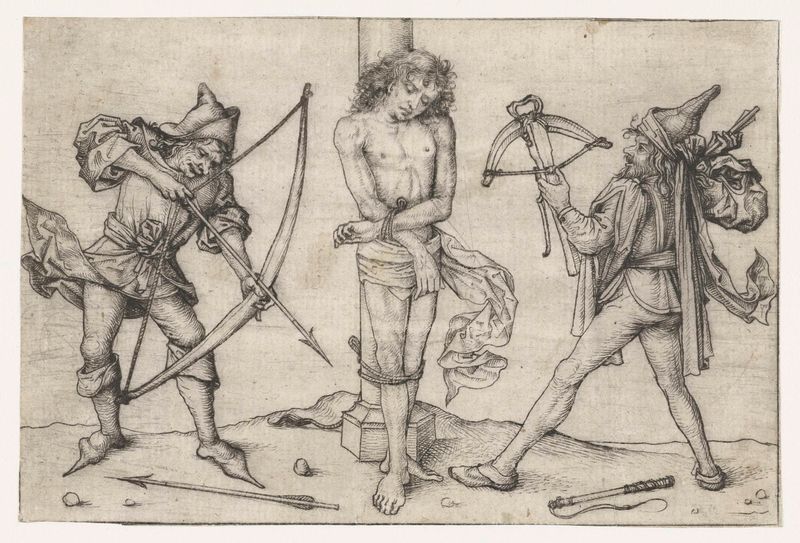
Heilige Sebastiaan met boogschutters
Meester van het Amsterdamse Kabinet

Het lichaam van Christus ondersteund door twee engelen
Meester van het Amsterdamse Kabinet

Heilige Anna-te-Drieën
Meester van het Amsterdamse Kabinet

Heilige Barbara (grote versie)
Meester van het Amsterdamse Kabinet
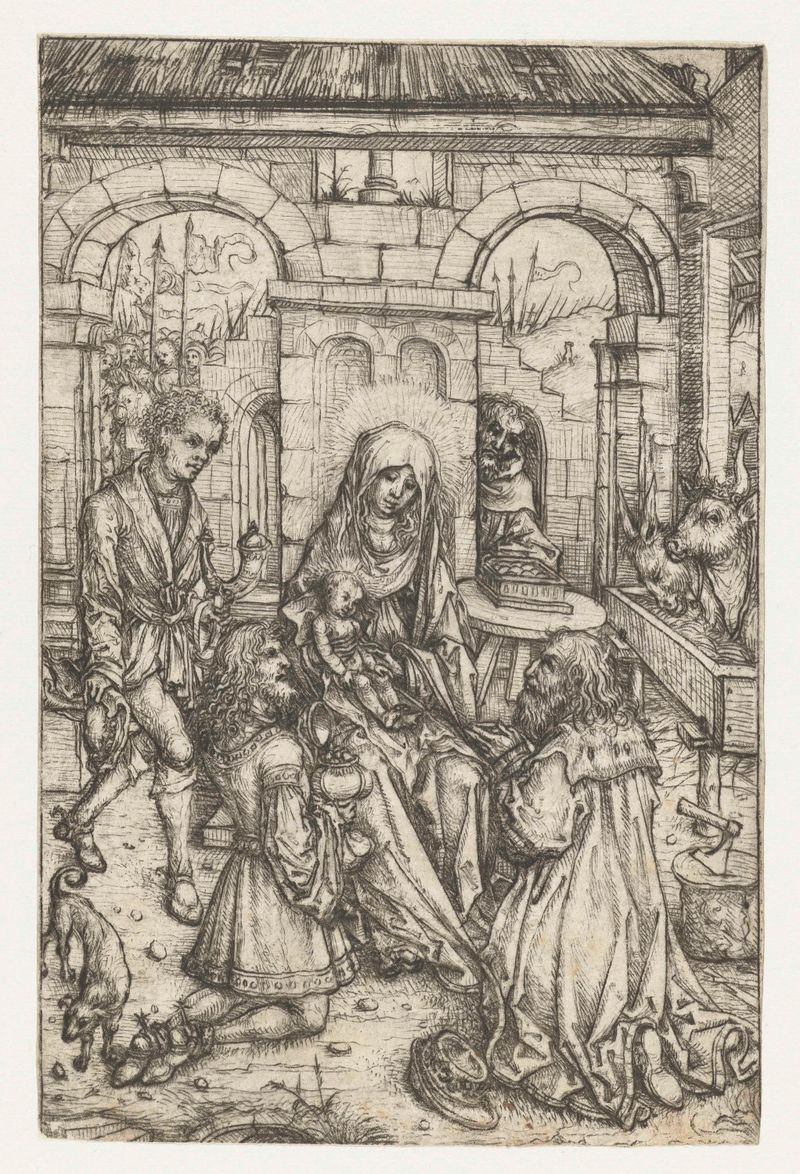
Aanbidding der koningen
Meester van het Amsterdamse Kabinet
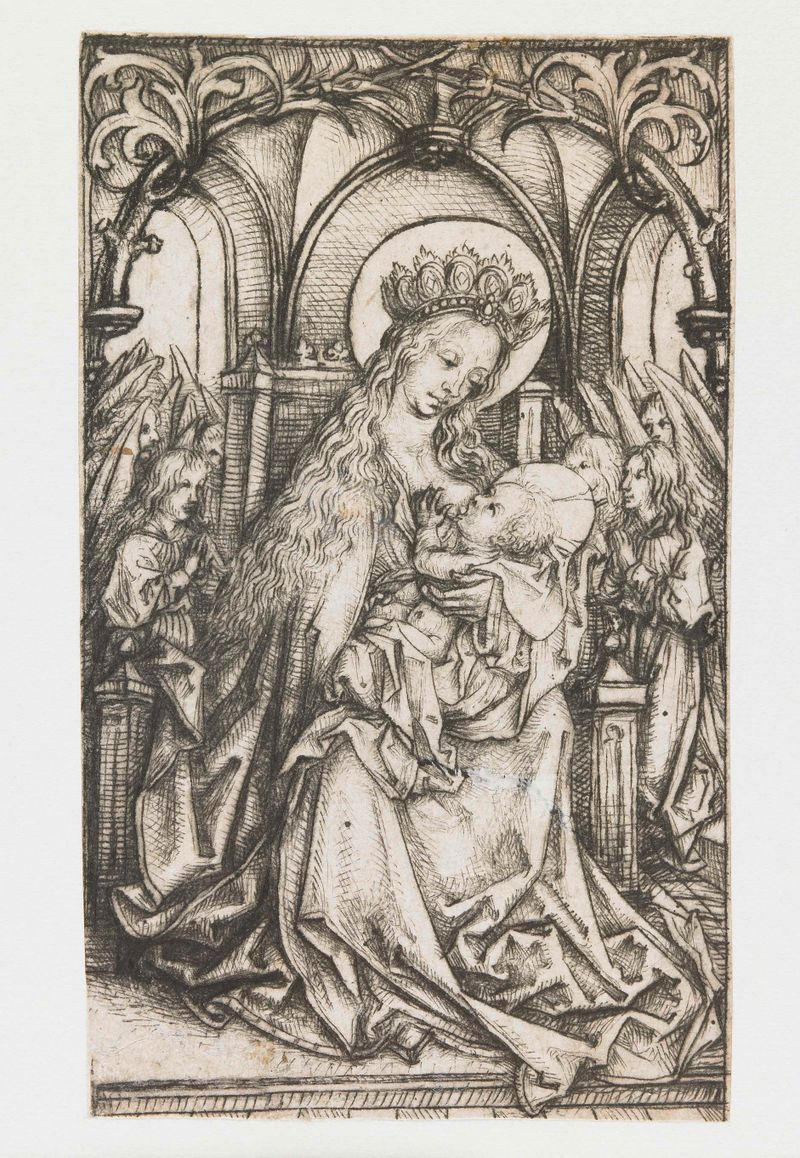
Tronende Madonna door engelen aanbeden
Meester van het Amsterdamse Kabinet

Het zegenend Christuskind
Meester van het Amsterdamse Kabinet
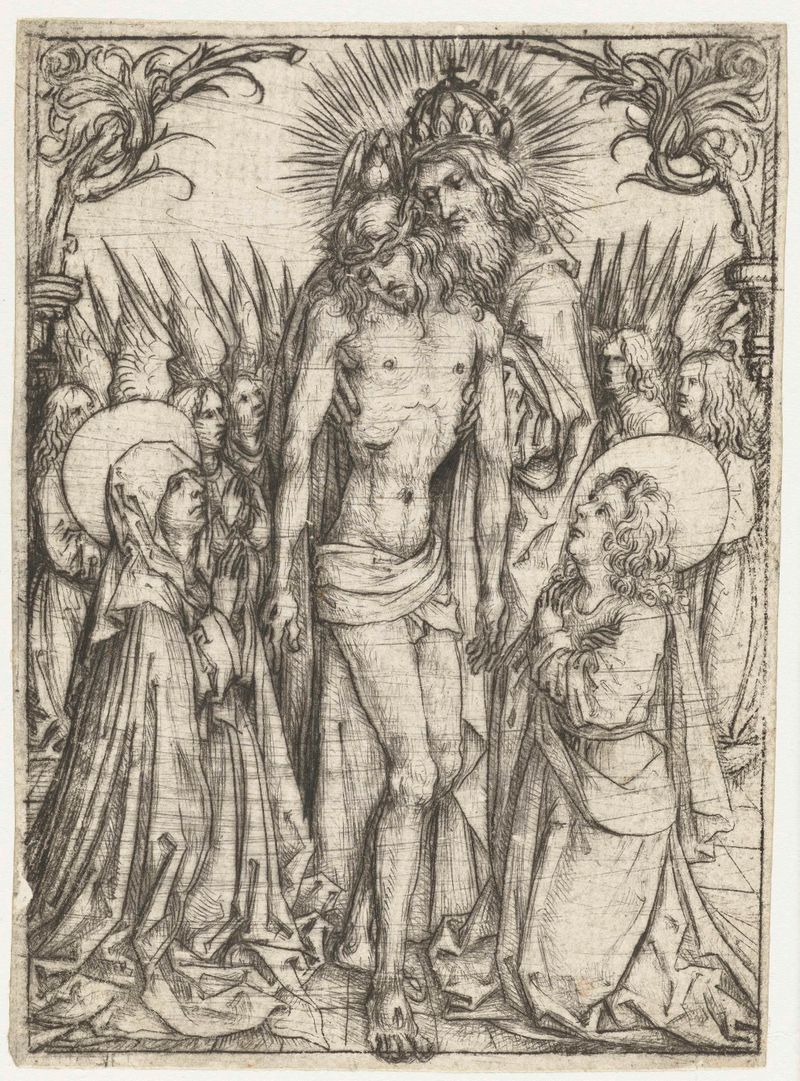
Aanbidding van de Heilige Drieëenheid door Maria, Johannes de Evangelist en engelen
Meester van het Amsterdamse Kabinet
More Portrait Art
Browse all →
Las meninas
Diego Velázquez

Self-portrait with a Bandaged Ear and Pipe
Unidentified artist

Girl with a Pearl Earring
Johannes Vermeer

The Sampling Officials of the Amsterdam Drapers’ Guild, Known as ‘The Syndics’
Rembrandt van Rijn

The Hundred Guilder Print: the man seen on the back in the lower left corner
Rembrandt van Rijn

Portrait of Dr Gachet
Vincent van Gogh