
House in Nantes — History & Facts
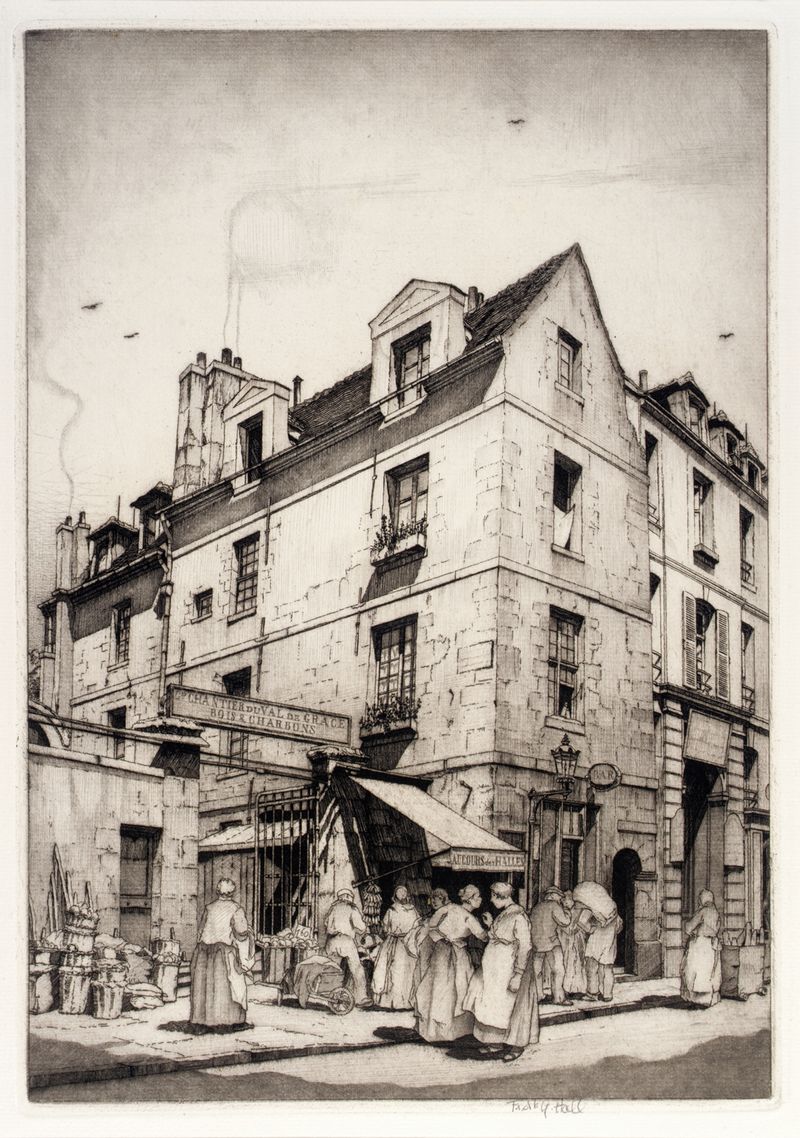
What secret hides in the quiet of the canvas? In a world brimming with noise, the stillness of House in Nantes invites a contemplative awakening, urging viewers to listen closely to the unspoken stories whispered by its serene surfaces. Look to the left at the gentle curve of the roof, its muted colors blending harmoniously with the surrounding foliage. The artist's brushwork conveys a soft texture, evoking the feeling of a warm summer breeze. Notice how the light filters through the trees, casting dappled shadows that dance across the ground, creating a delicate interplay between light and dark.
This composition draws the eye towards the house, nestled quietly yet prominently within its embrace of nature, suggesting a symbiotic relationship between human habitation and the environment. In this painting, contrasts abound—the solidity of the house stands juxtaposed against the fluidity of the surrounding trees, each detail hinting at deeper emotional currents. The choices of subdued earth tones speak to the passage of time, evoking nostalgia and yearning for a simpler existence. The quietude of the scene acts as a canvas for reflection, inviting viewers to ponder what lies beyond the visible, revealing the dual nature of comfort and isolation inherent in such a dwelling. Frederick G.
Hall painted House in Nantes in 1923 during a period marked by the aftermath of World War I, a time when many artists sought refuge in the exploration of domestic spaces and natural landscapes. Living in America yet inspired by European aesthetics, Hall was part of a broader movement that transitioned from the tumult of war to a renewed appreciation for tranquility and beauty in everyday life. This artwork stands as a testament to that quest for peace and connection.
More Artworks by Frederick G. Hall
Browse all →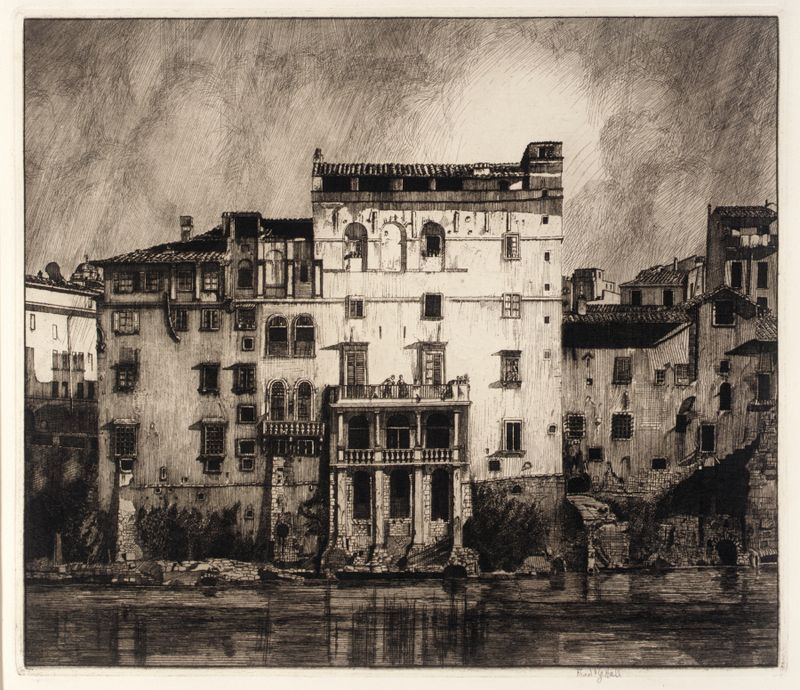
Old Houses on the Tiber
Frederick G. Hall
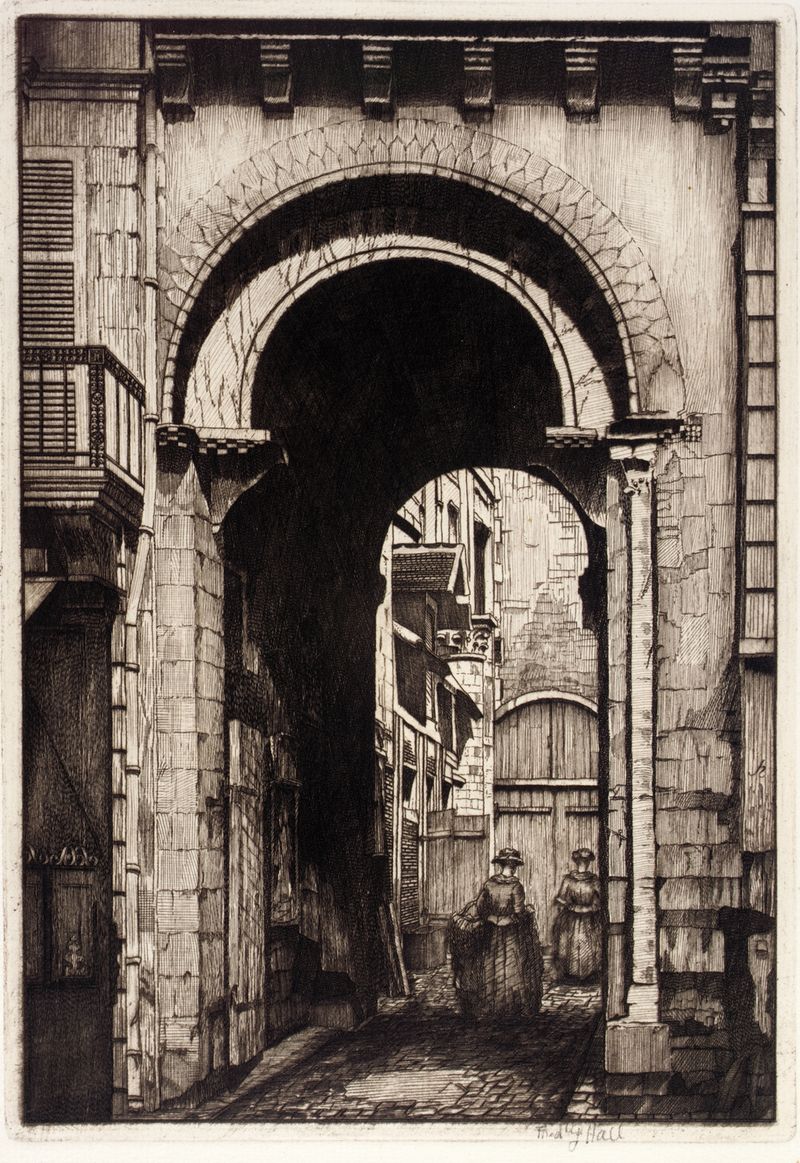
Ancient Doorway, Nevers
Frederick G. Hall
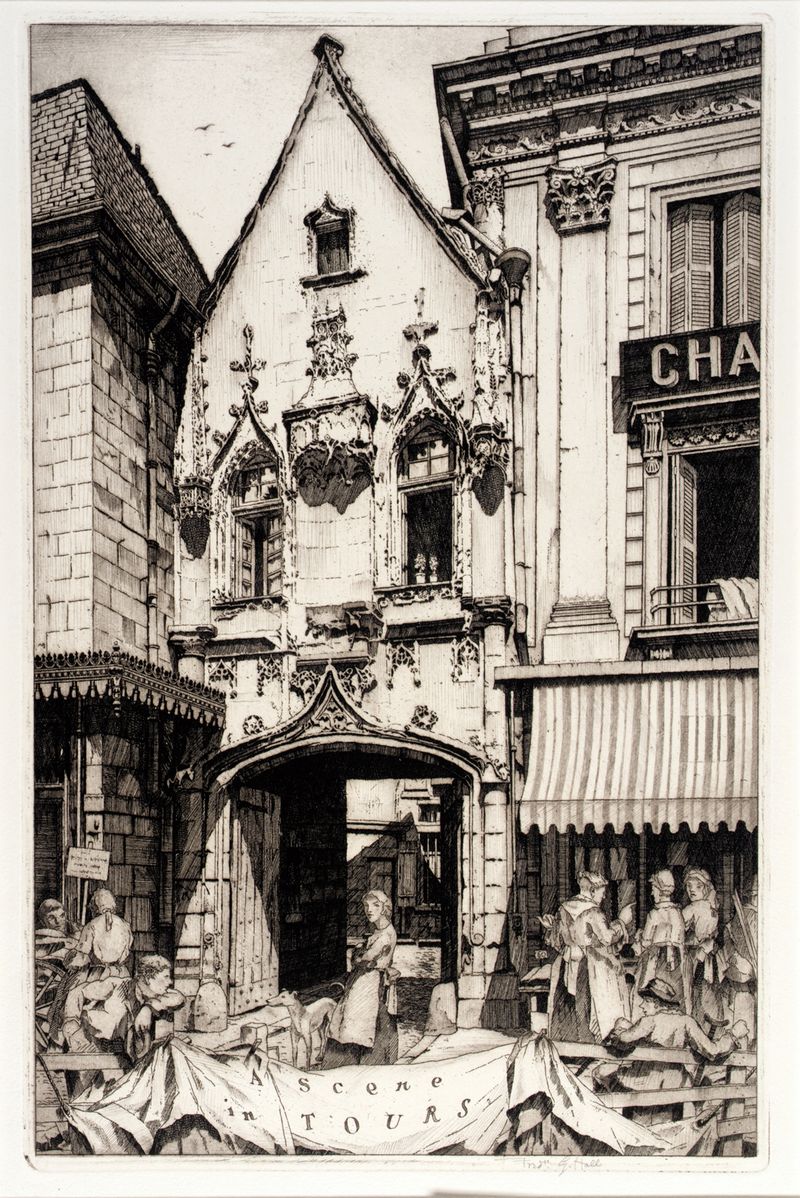
A Scene in Tours
Frederick G. Hall
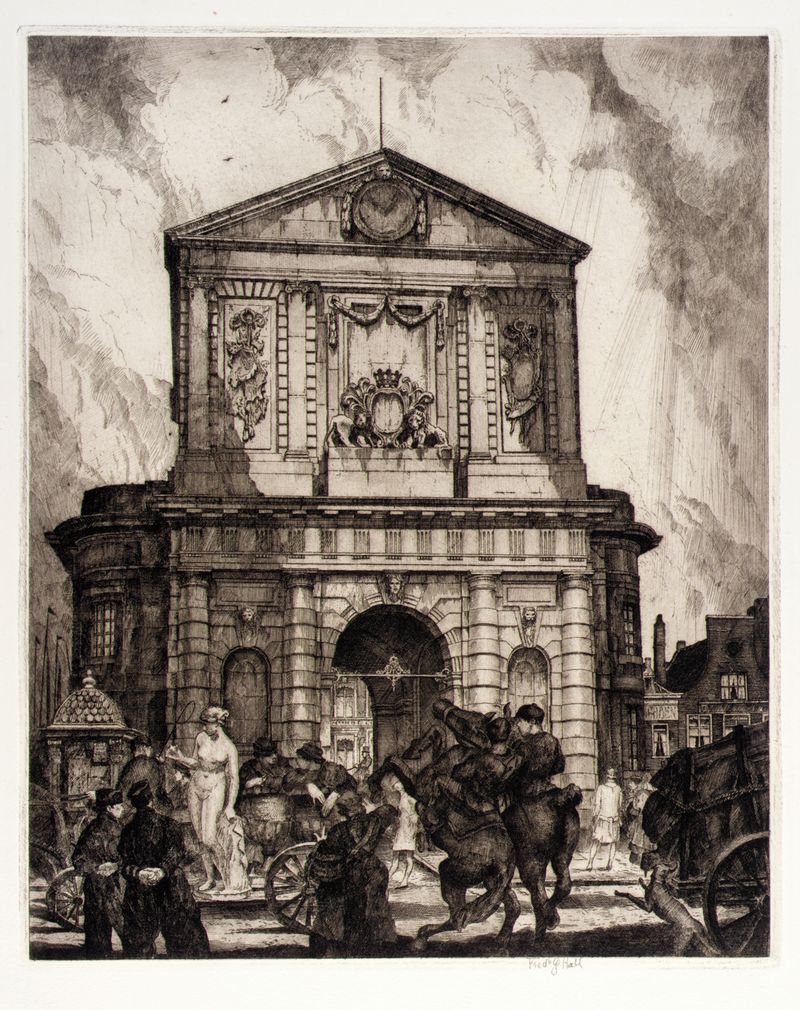
Gateway, Rotterdam
Frederick G. Hall
Old Willows
Frederick G. Hall
Rouen, Porte de Guillaume
Frederick G. Hall
Maison des Ambassadeurs, Dijon
Frederick G. Hall
La Maison des Cariatides, Dijon
Frederick G. Hall
Little French Market
Frederick G. Hall





