
La Maison des Cariatides, Dijon — History & Facts
Could beauty survive in a century of chaos? In the silence of architectural grandeur, an unease lingers, inviting contemplation on the fragility of art amidst turmoil. Look to the right at the elegantly carved columns, where each Caryatid stands as a sentinel of strength and grace. The interplay of light and shadow highlights their intricate details, drawing you into the careful craftsmanship. Notice how the muted palette of earth tones evokes a sense of history, while the soft, diffused light seems to cradle the structure, creating a timeless sanctuary amid the uncertainties outside. Beneath the façade, a tension bubbles—these figures, seemingly imbued with life, carry the weight of stories untold.
The contrast between the solidity of stone and the ephemeral nature of human existence resonates deeply, reflecting both endurance and vulnerability. Each figure's posture hints at a yearning, a connection to the past, yet also an awareness of the looming chaos of the 1920s, where hope and fear danced closely together in the hearts of many. Frederick G. Hall created this masterpiece in 1925 in Dijon, France, during a period marked by the aftermath of World War I and the rise of modern art movements.
As traditional values were challenged, Hall's work stood as a testament to the enduring nature of beauty and craftsmanship, offering a moment of respite and reflection amidst a rapidly changing world.
More Artworks by Frederick G. Hall
Browse all →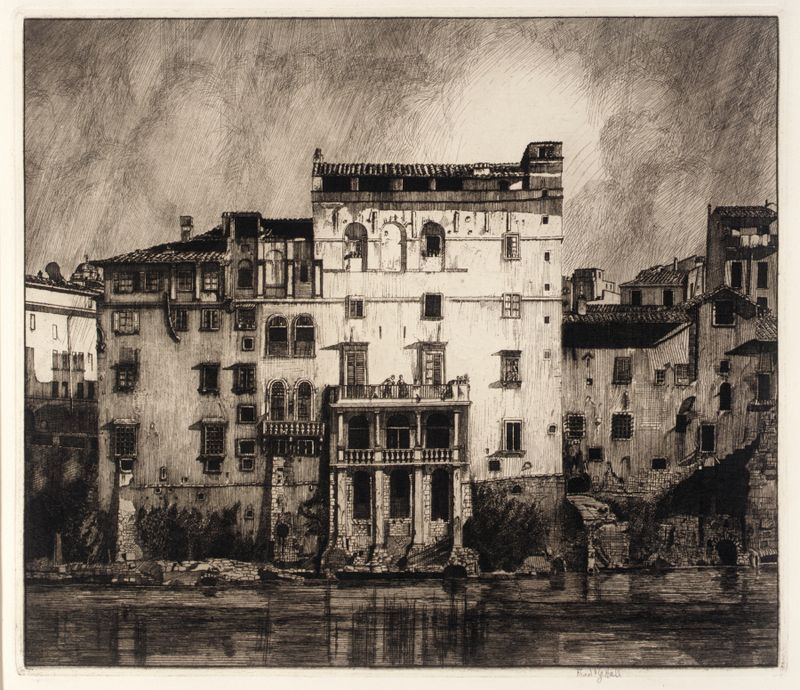
Old Houses on the Tiber
Frederick G. Hall
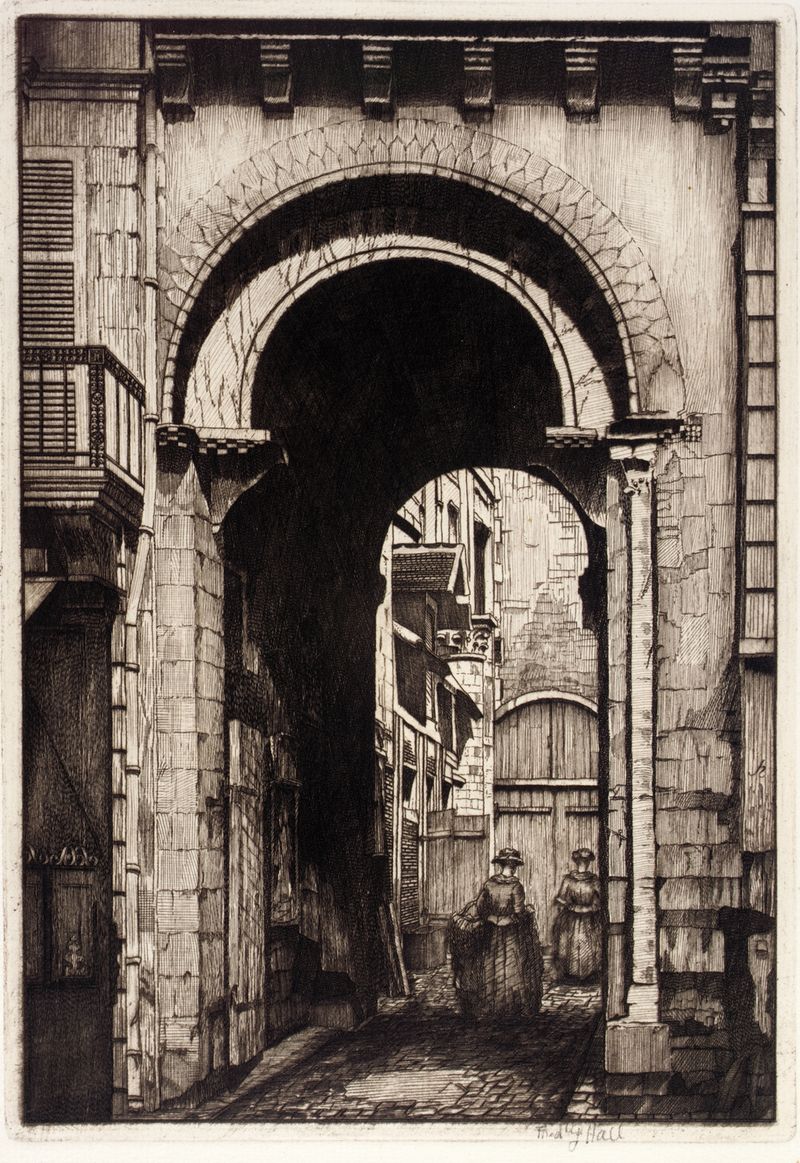
Ancient Doorway, Nevers
Frederick G. Hall
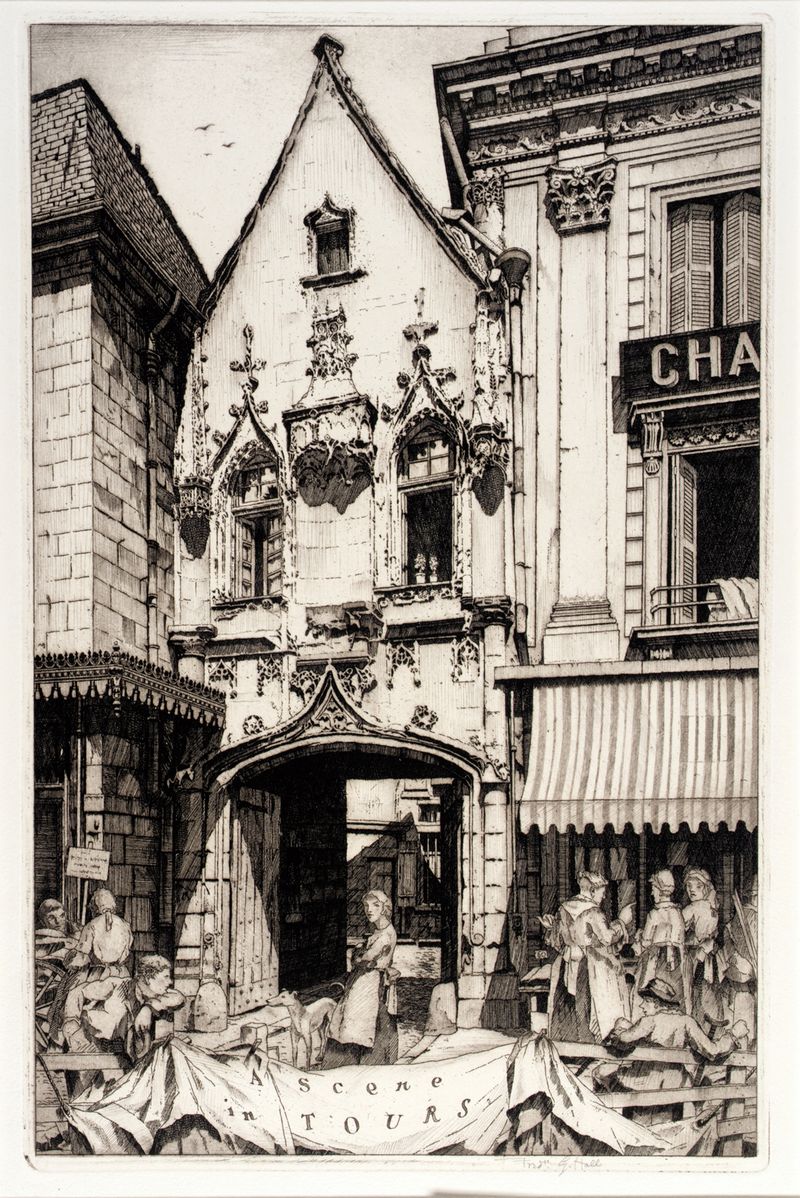
A Scene in Tours
Frederick G. Hall
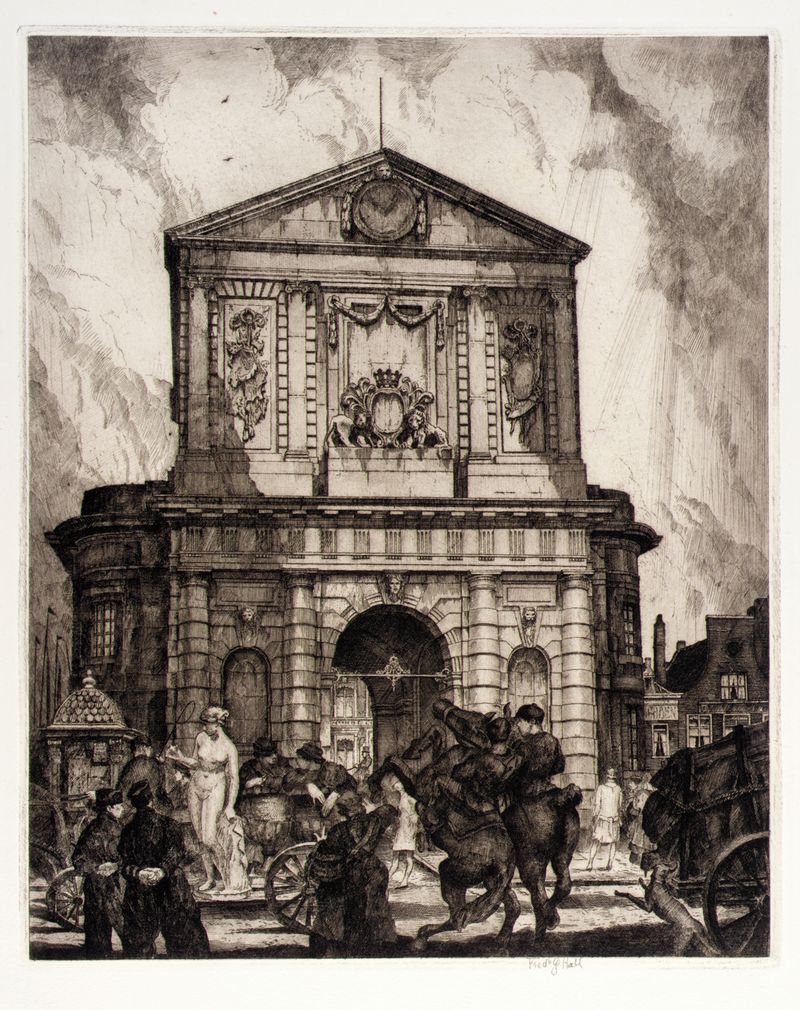
Gateway, Rotterdam
Frederick G. Hall
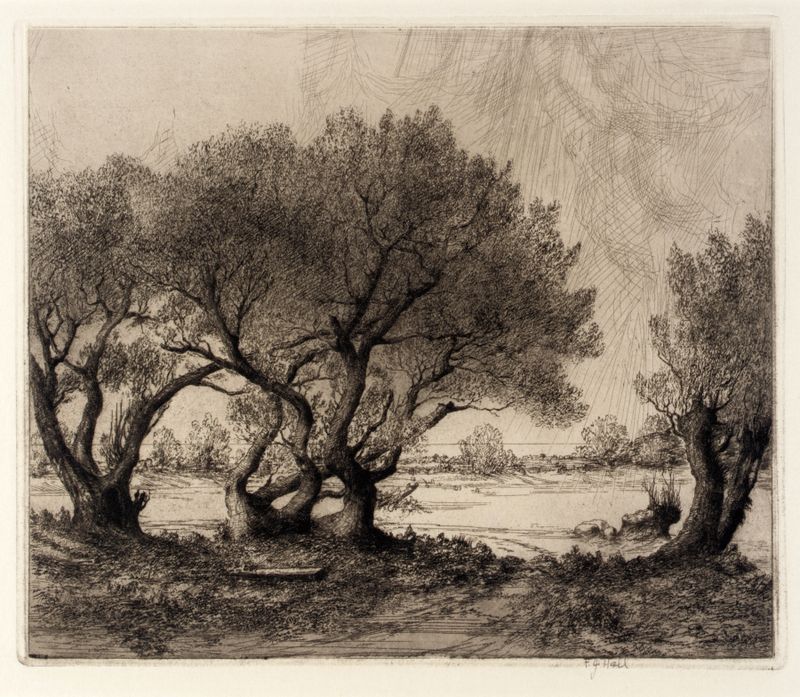
Old Willows
Frederick G. Hall
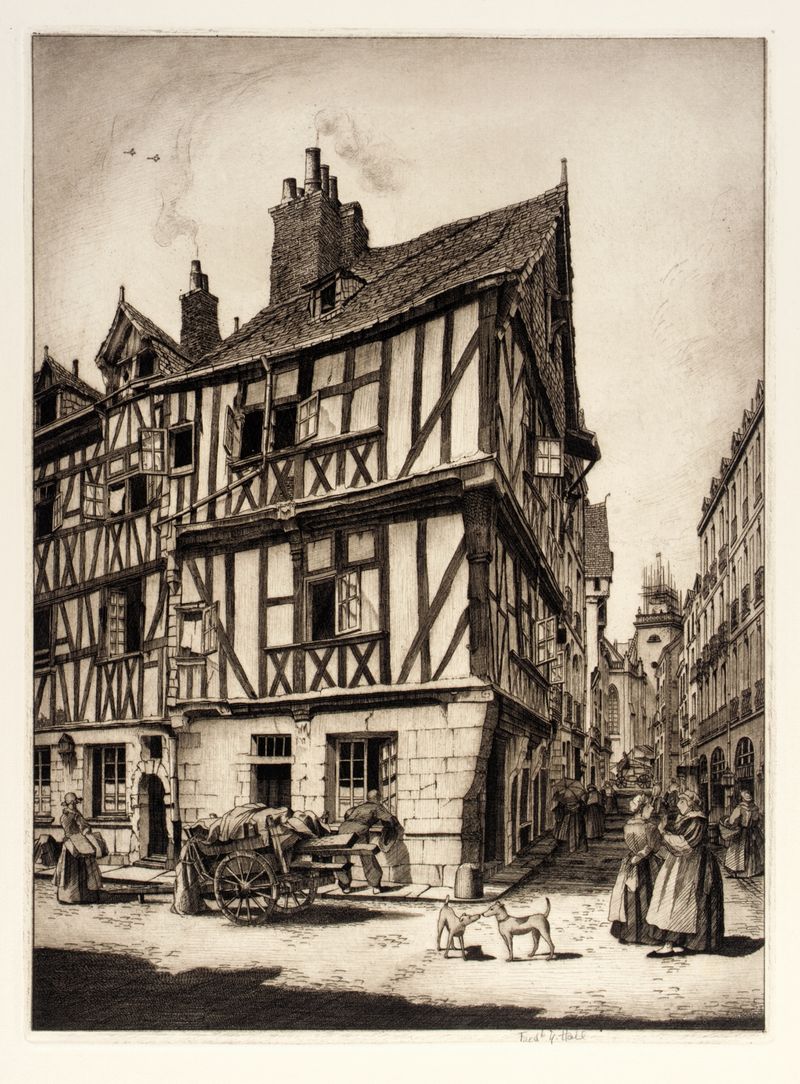
House in Nantes
Frederick G. Hall
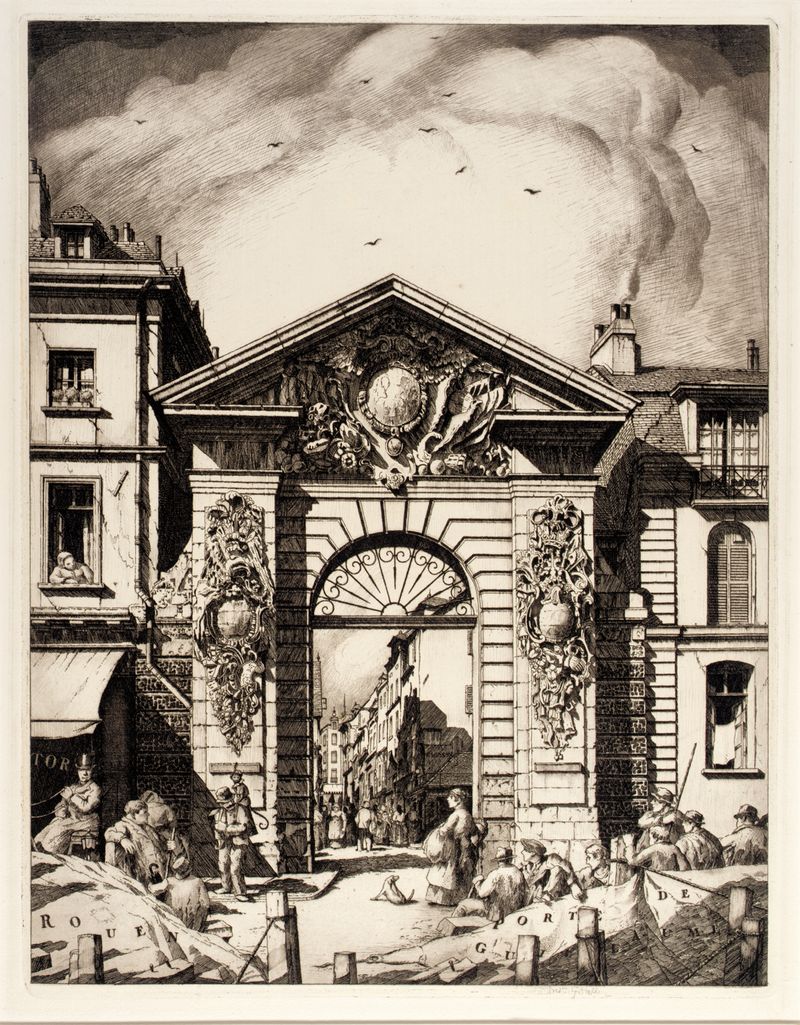
Rouen, Porte de Guillaume
Frederick G. Hall
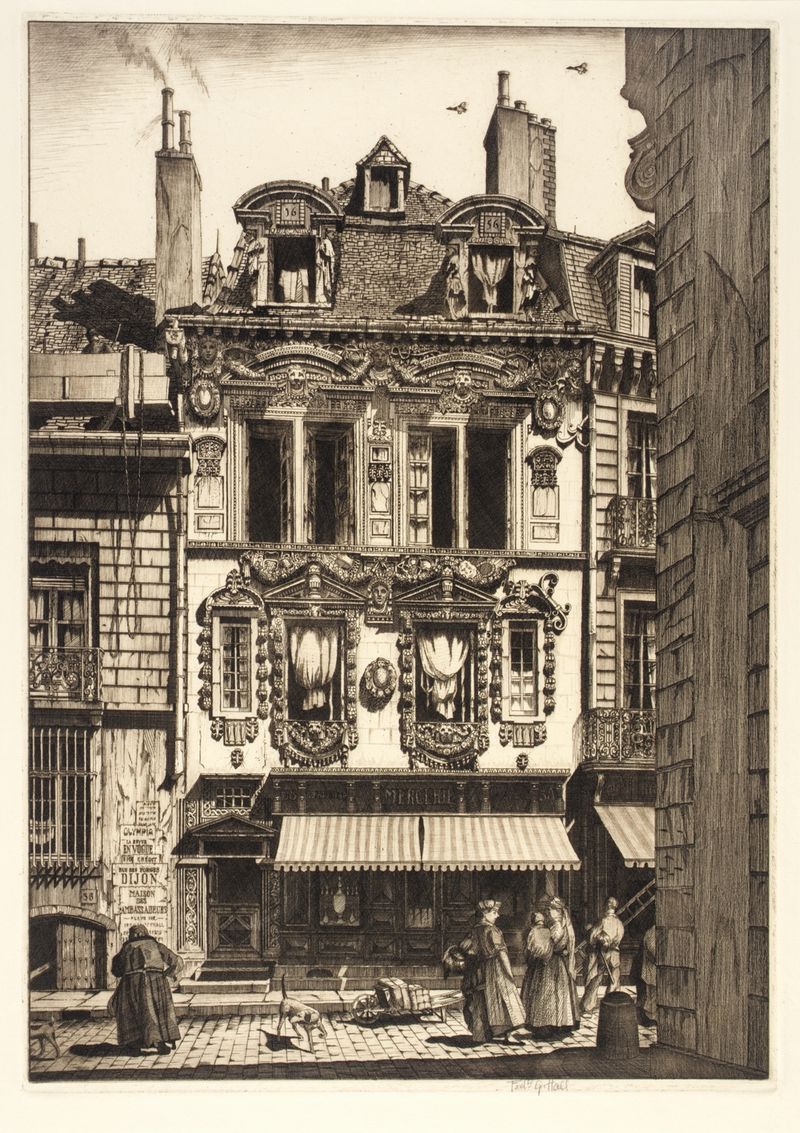
Maison des Ambassadeurs, Dijon
Frederick G. Hall
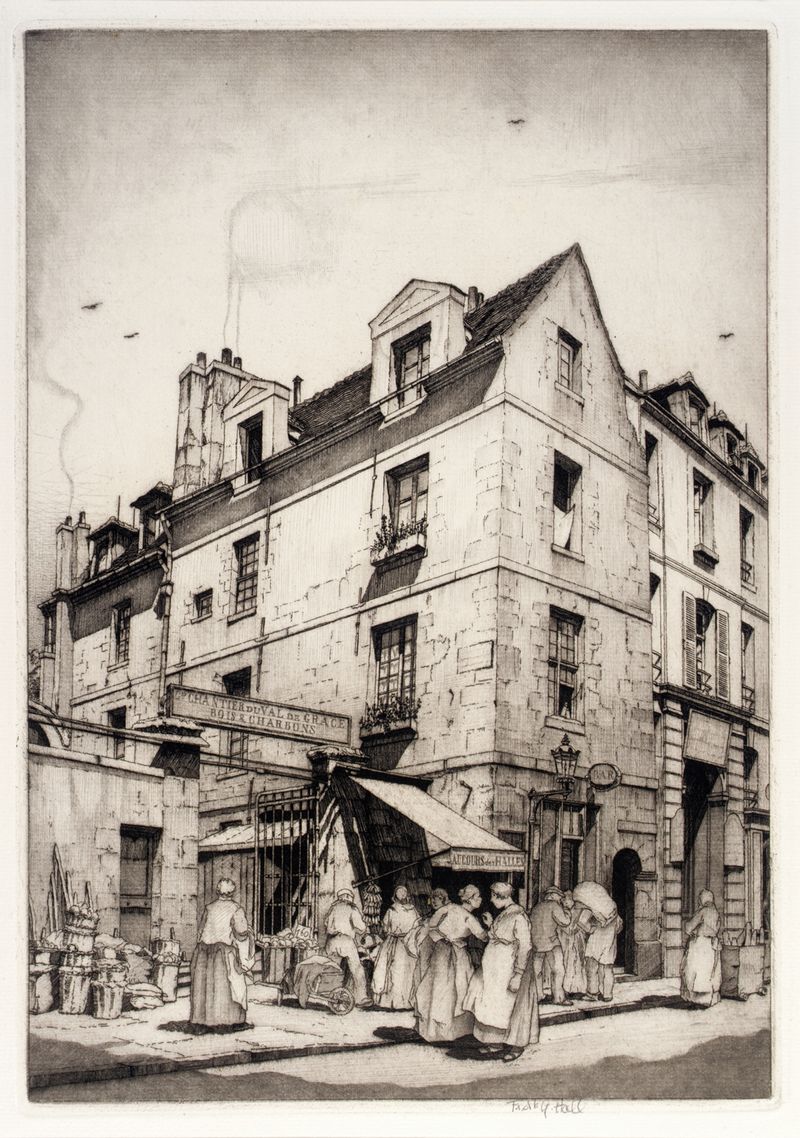
Little French Market
Frederick G. Hall
More Architecture Art
Browse all →
The statue of Liberty
Frédéric Auguste Bartholdi

View of Houses in Delft, Known as ‘The Little Street’
Johannes Vermeer

View of Houses in Delft, Known as ‘The Little Street’
Johannes Vermeer

The Cathedral in Rouen. The portal, Grey Weather
Claude Monet

The yellow house
Vincent van Gogh

The Church in Auvers-sur-Oise, View from the Chevet
Vincent van Gogh