
Old Willows — History & Facts
Where does light end, and longing begin? In a world where shadows loom large and the quiet whispers of nature echo through time, we find ourselves contemplating the delicate balance between presence and absence. Look to the left at the sweeping branches of the willows, their gnarled forms reaching outward like hands grasping for connection. Notice how the soft light filters through the leaves, creating a dappled pattern on the ground that invites you to step closer. The muted greens and browns harmonize with the gentle blues of the sky, crafting a serene yet haunting atmosphere that encourages introspection. Amidst the serene beauty lies a poignant contrast—between the vitality of nature and the inescapable void that shadows it.
The willows, so full of life, seem to stand sentinel over a silent narrative, embodying both resilience and fragility. Each bend and twist of their branches tells a story of endurance, while the open spaces between them evoke a sense of longing—a yearning for something just out of reach. In 1917, when this piece was created, the world was engulfed in the turmoil of World War I, a time marked by uncertainty and loss. Frederick G.
Hall was deeply entrenched in the American art scene, experimenting with themes that bridged the natural with the emotional. This moment in history, layered with personal and collective struggles, informed his vision, leading to a work that resonates with the tension between beauty and void.
More Artworks by Frederick G. Hall
Browse all →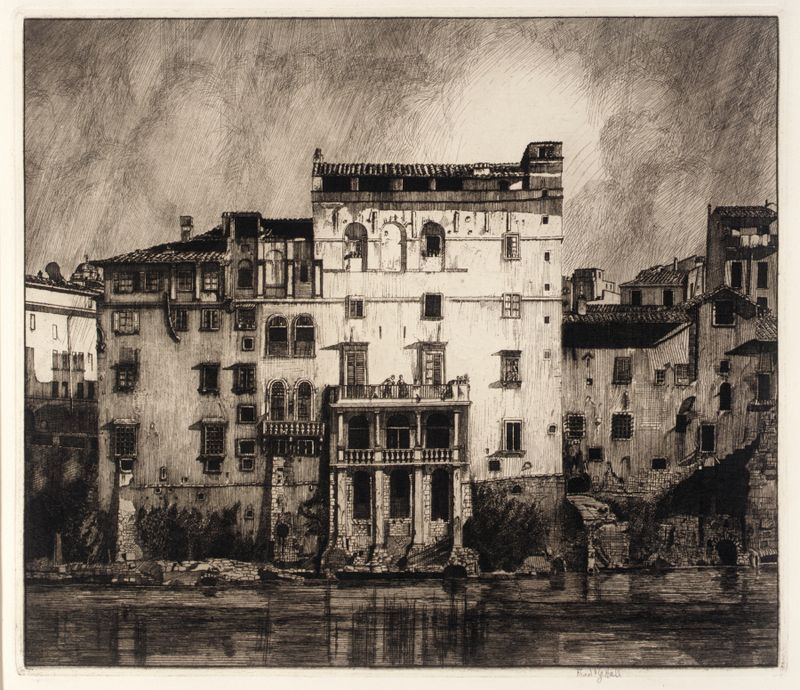
Old Houses on the Tiber
Frederick G. Hall
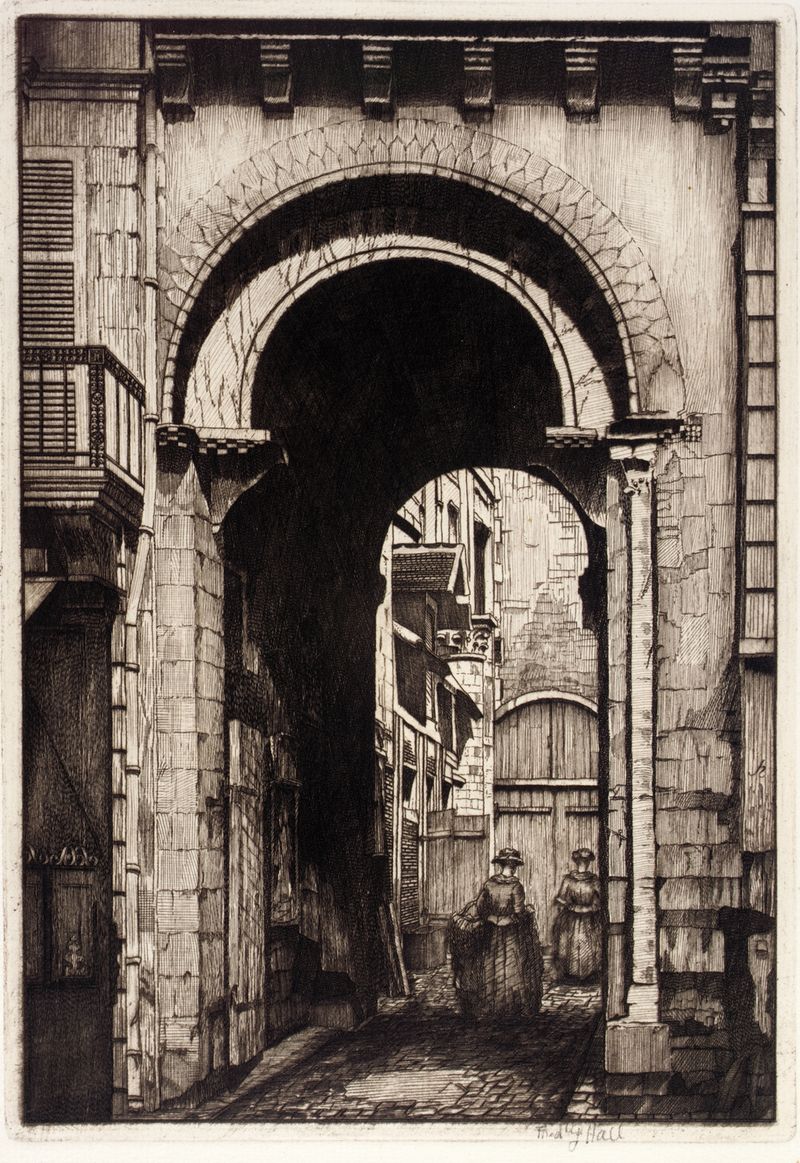
Ancient Doorway, Nevers
Frederick G. Hall
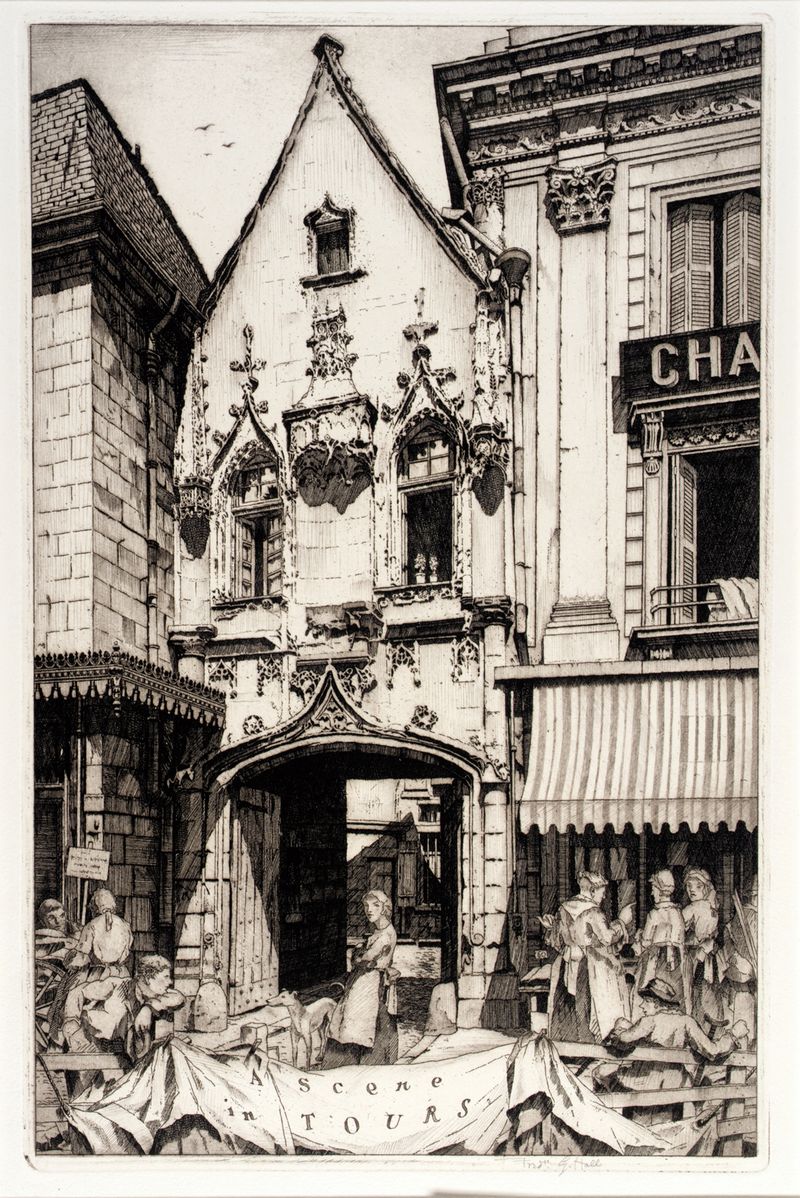
A Scene in Tours
Frederick G. Hall
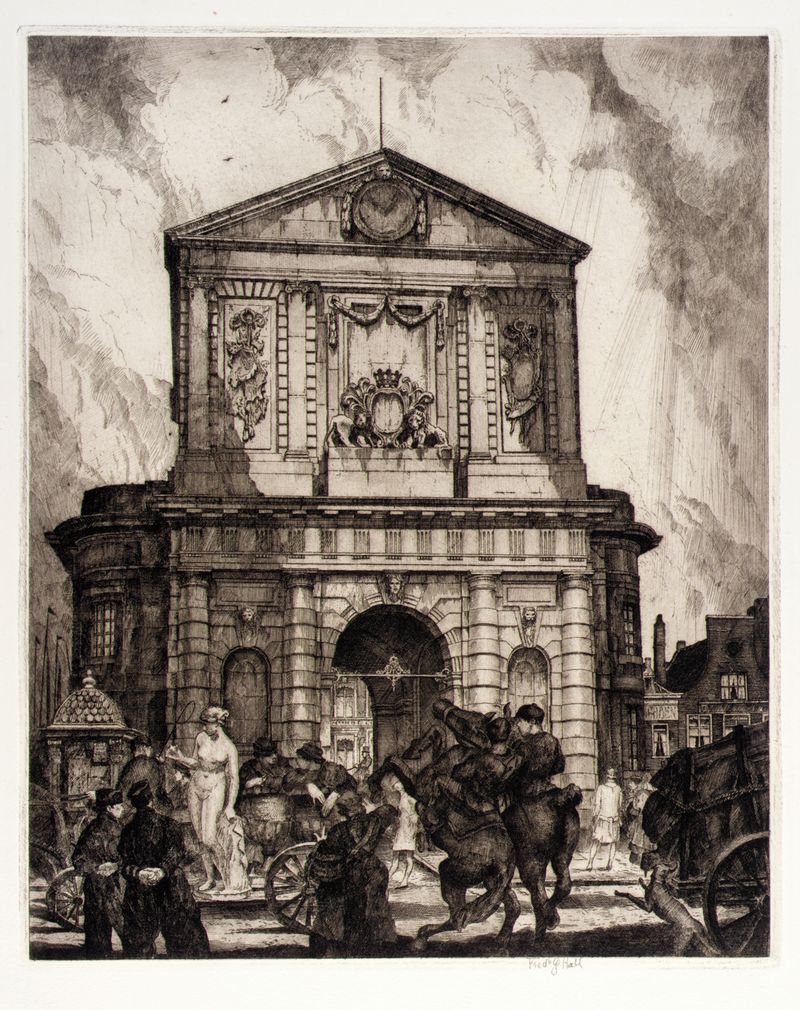
Gateway, Rotterdam
Frederick G. Hall
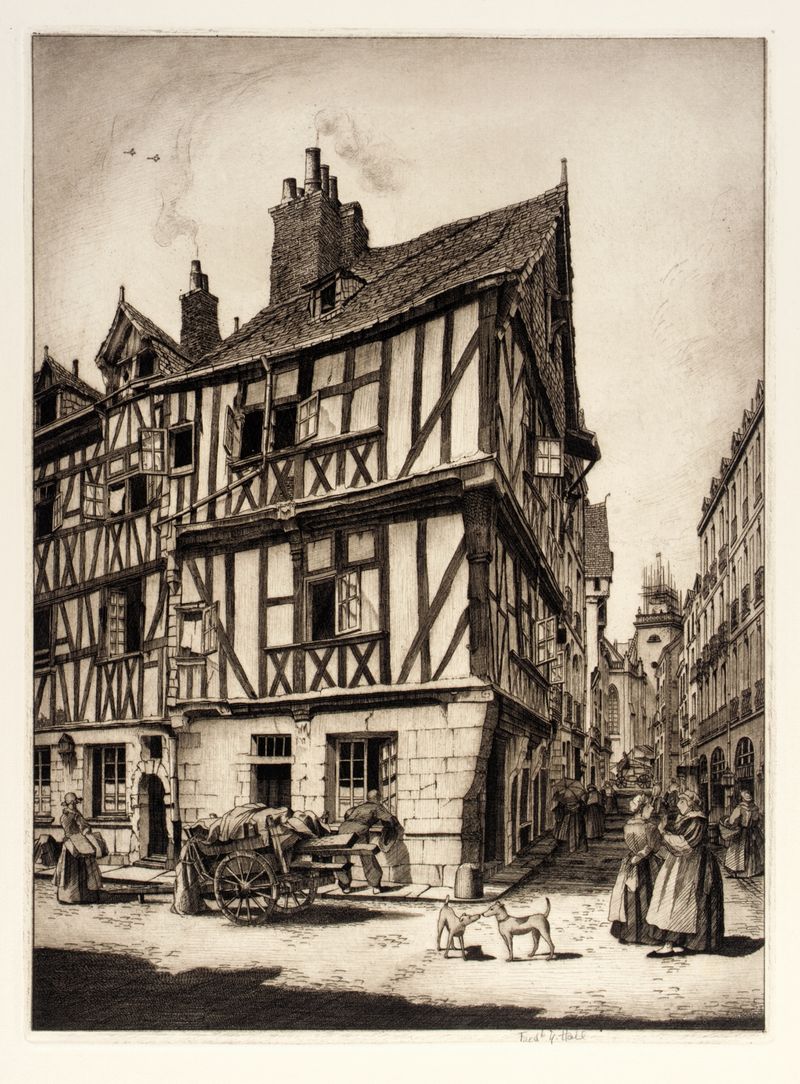
House in Nantes
Frederick G. Hall
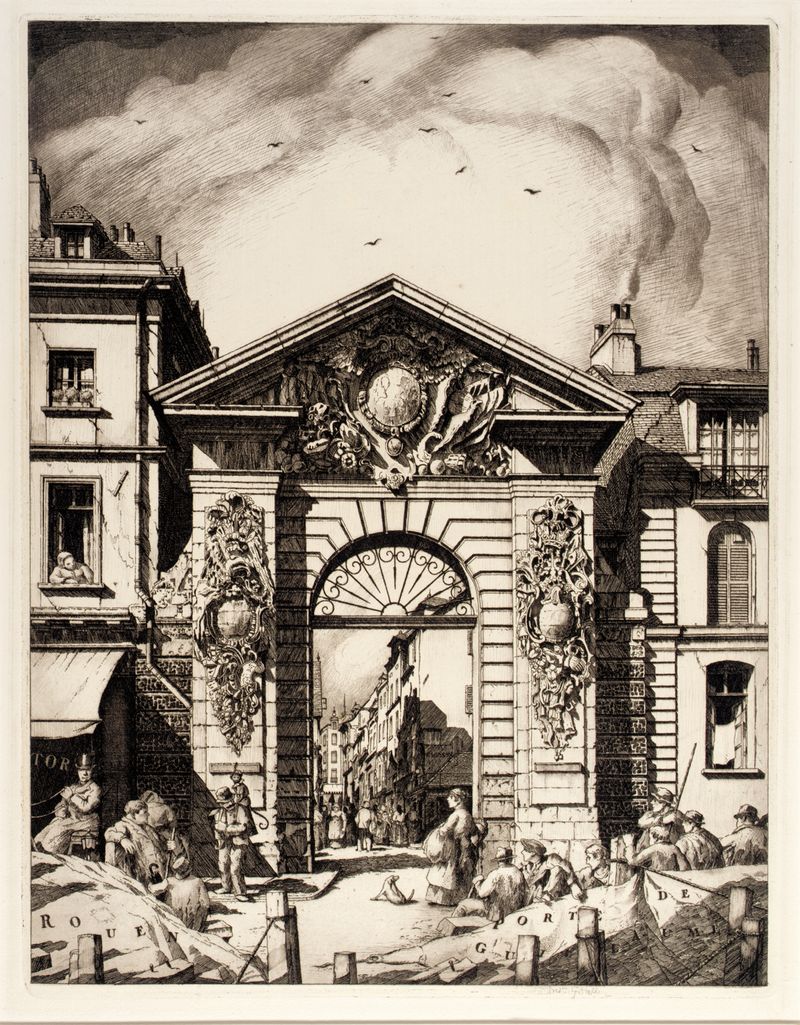
Rouen, Porte de Guillaume
Frederick G. Hall
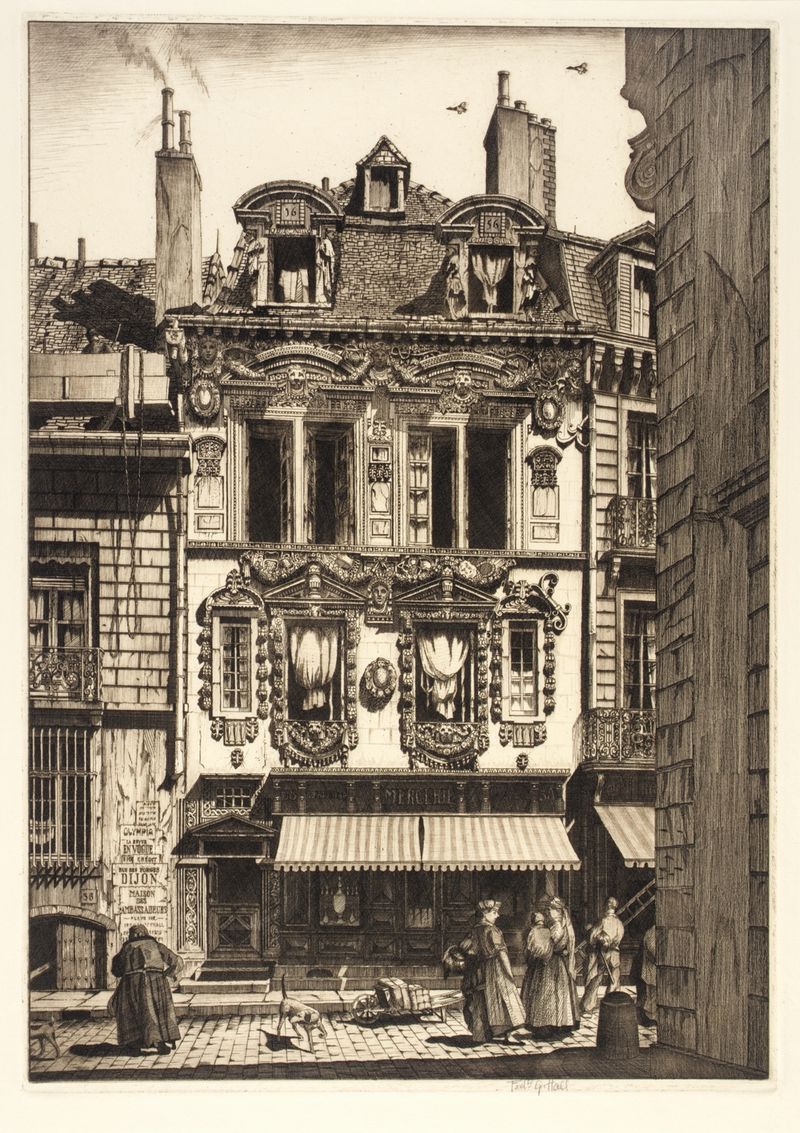
Maison des Ambassadeurs, Dijon
Frederick G. Hall
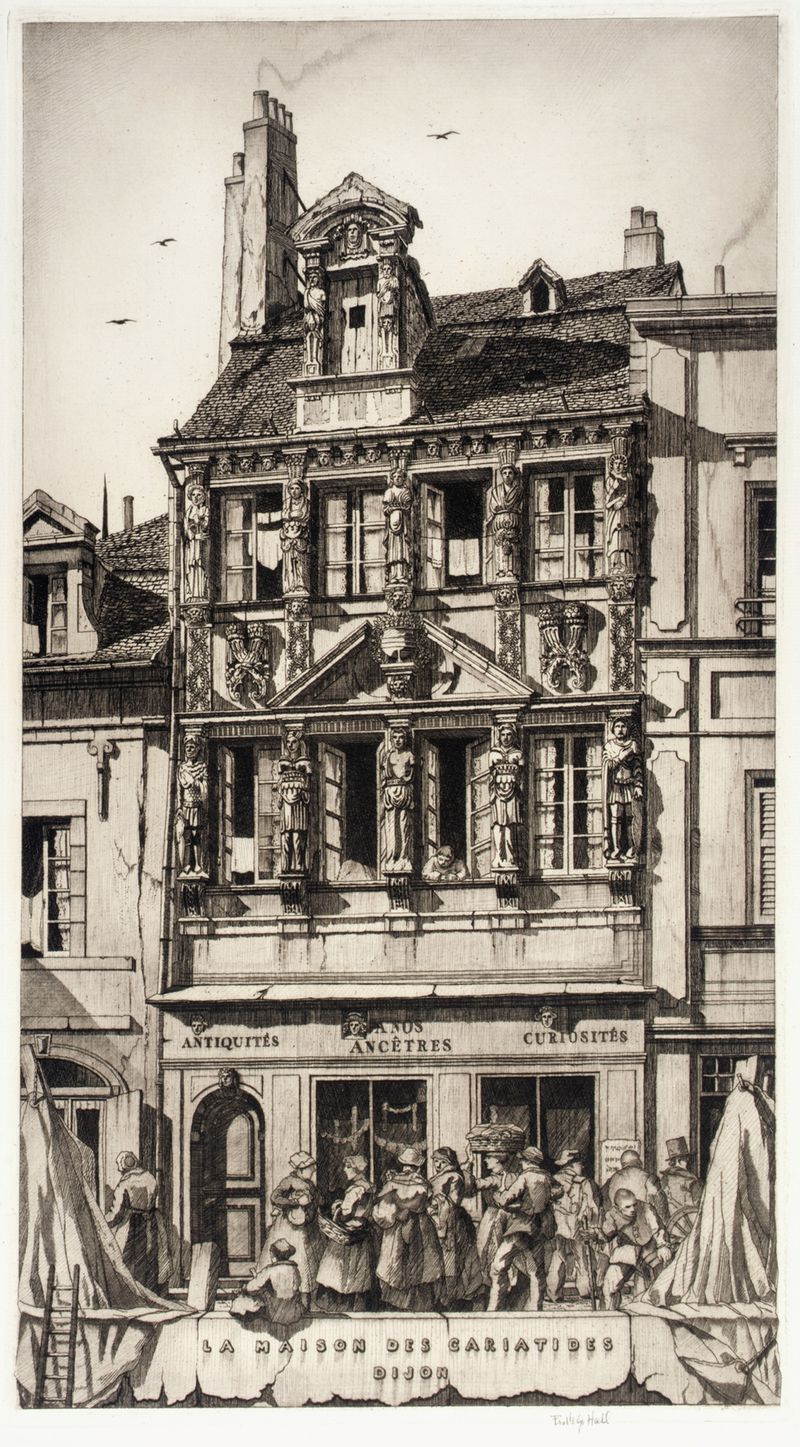
La Maison des Cariatides, Dijon
Frederick G. Hall
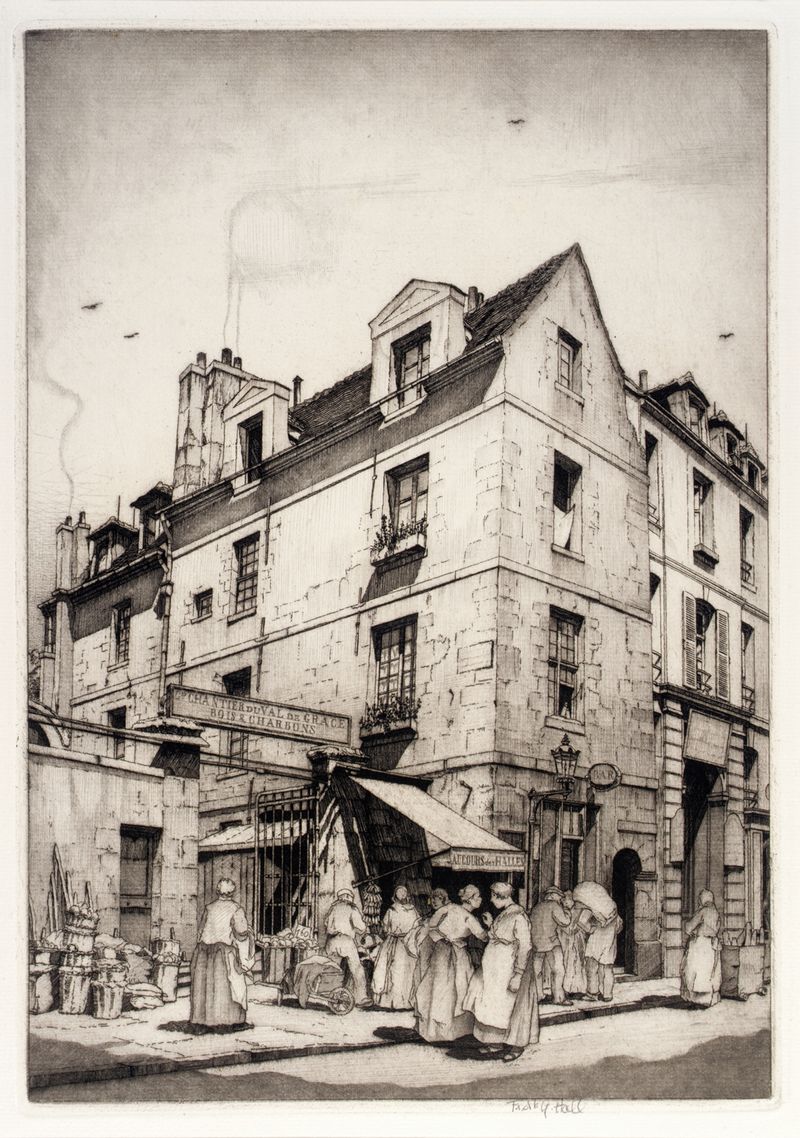
Little French Market
Frederick G. Hall





