
House in the Sun — History & Facts
Where does light end, and longing begin? This question transcends mere observation, inviting the viewer to delve deeper into the emotional landscape of existence. In House in the Sun, Henryk Szczygliński captures a moment where the interplay of light and shadow reveals a profound yearning, a quiet celebration of solitude enveloped in sunlight. Focus on the sun-drenched house nestled against an expansive, azure sky. The warm tones of ochre and gold radiate with vitality, drawing the eye to the roof, where light dances like a gentle caress.
Notice how the brilliant illumination contrasts with the cooling shadows cast by surrounding trees, creating a dynamic tension that underscores the fragile balance between warmth and isolation. Each brushstroke reflects an intricate dance of color that seems to breathe, inviting contemplation and introspection. Within this vibrant composition lies a poignant exploration of duality. The house, a symbol of safety and comfort, stands in stark contrast to the vastness of the open sky, hinting at the human struggle between belonging and freedom.
Furthermore, the lush greenery that frames the house embodies growth and potential, whispering of dreams that stretch beyond the confines of four walls. This tension between the familiar and the infinite speaks to a universal longing for connection with both nature and oneself. During the late 19th century, Szczygliński was immersed in the artistic fervor sweeping through Europe, particularly in Poland, where he painted House in the Sun between 1899 and 1901. This period was marked by a burgeoning interest in Impressionism, as artists sought new ways to capture light and atmosphere.
Szczygliński, influenced by these shifts, used his canvas to reflect both personal introspection and the evolving world around him, merging realism with a hint of idealism.
More Artworks by Henryk Szczygliński
Browse all →
The joint-stock brewery in Tenczynek
Henryk Szczygliński
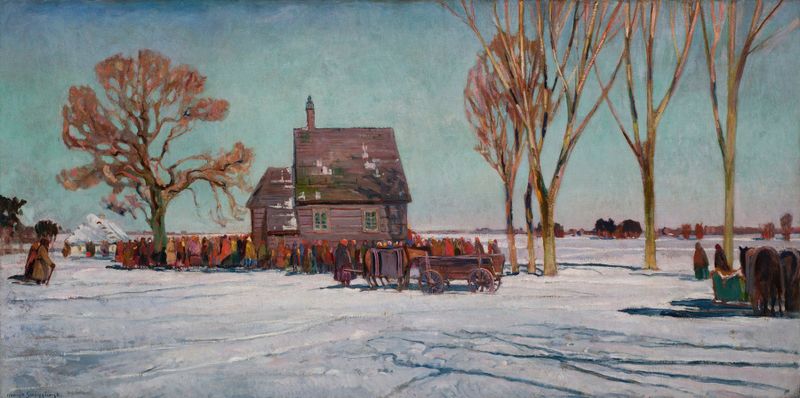
Winter Landscape
Henryk Szczygliński

Landscape near Vilnius
Henryk Szczygliński
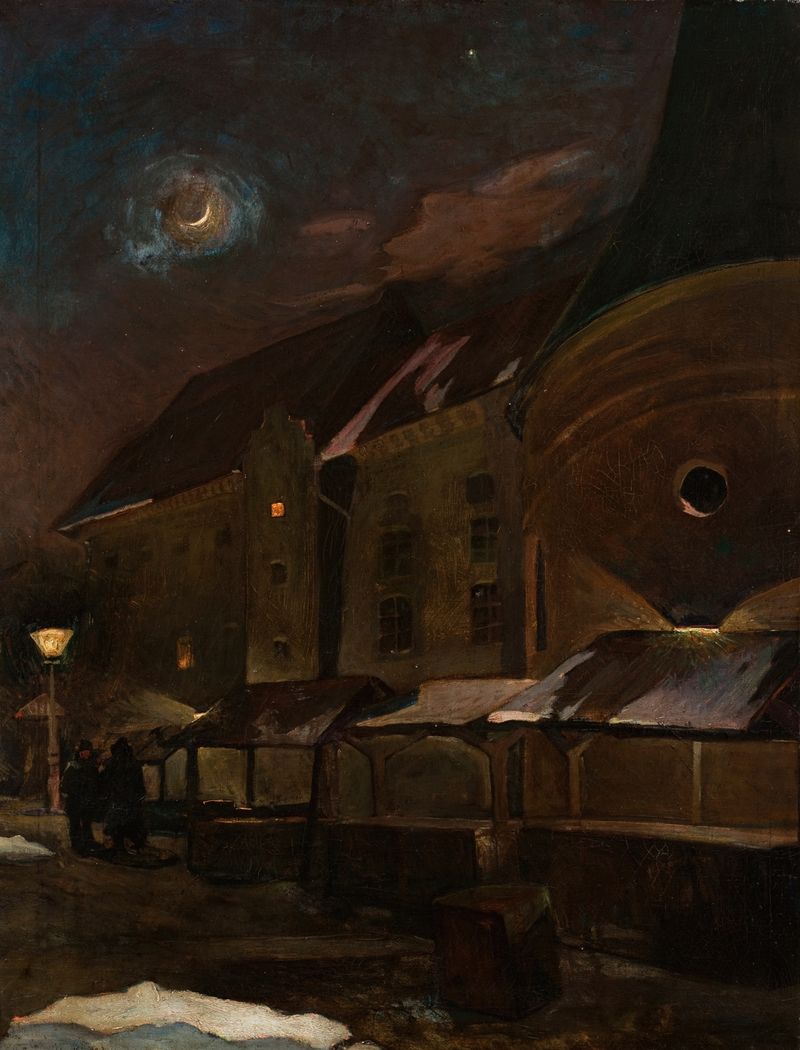
Small Market Square in Krakow at Night
Henryk Szczygliński

Dominican Shambles (Slaughterhouses) in Krakow
Henryk Szczygliński

Winter landscape at night with a halberdier
Henryk Szczygliński

Babia Góra
Henryk Szczygliński
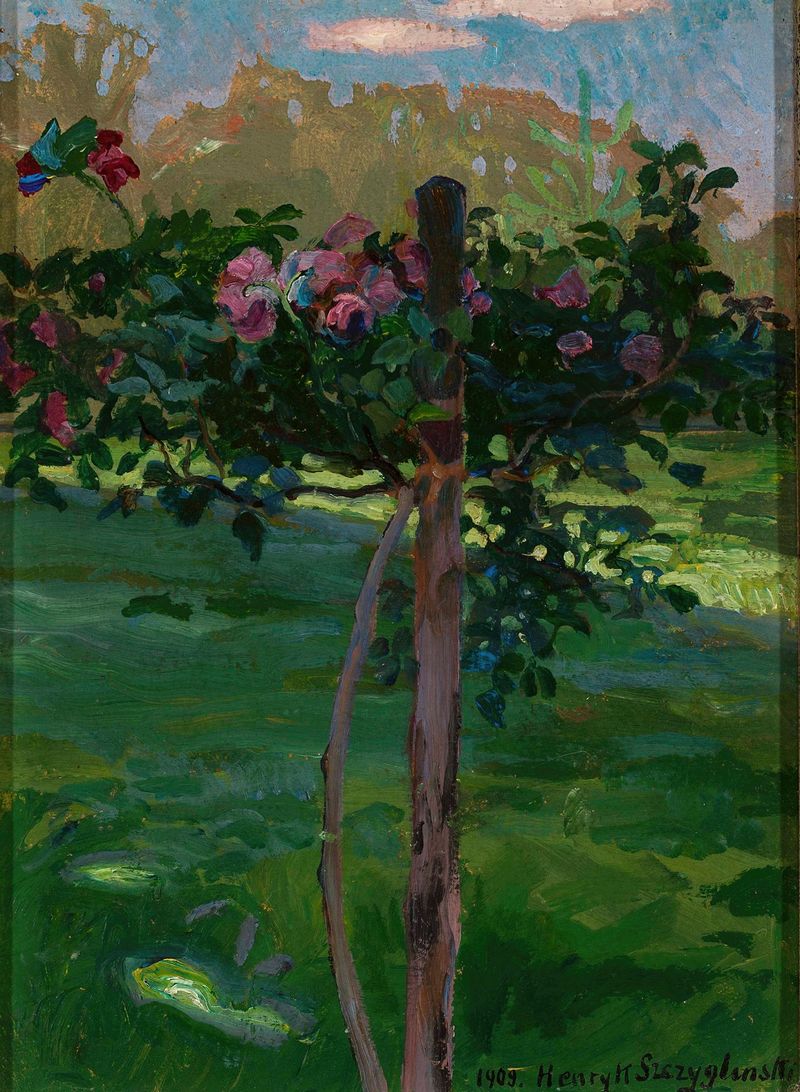
Rose shrub
Henryk Szczygliński
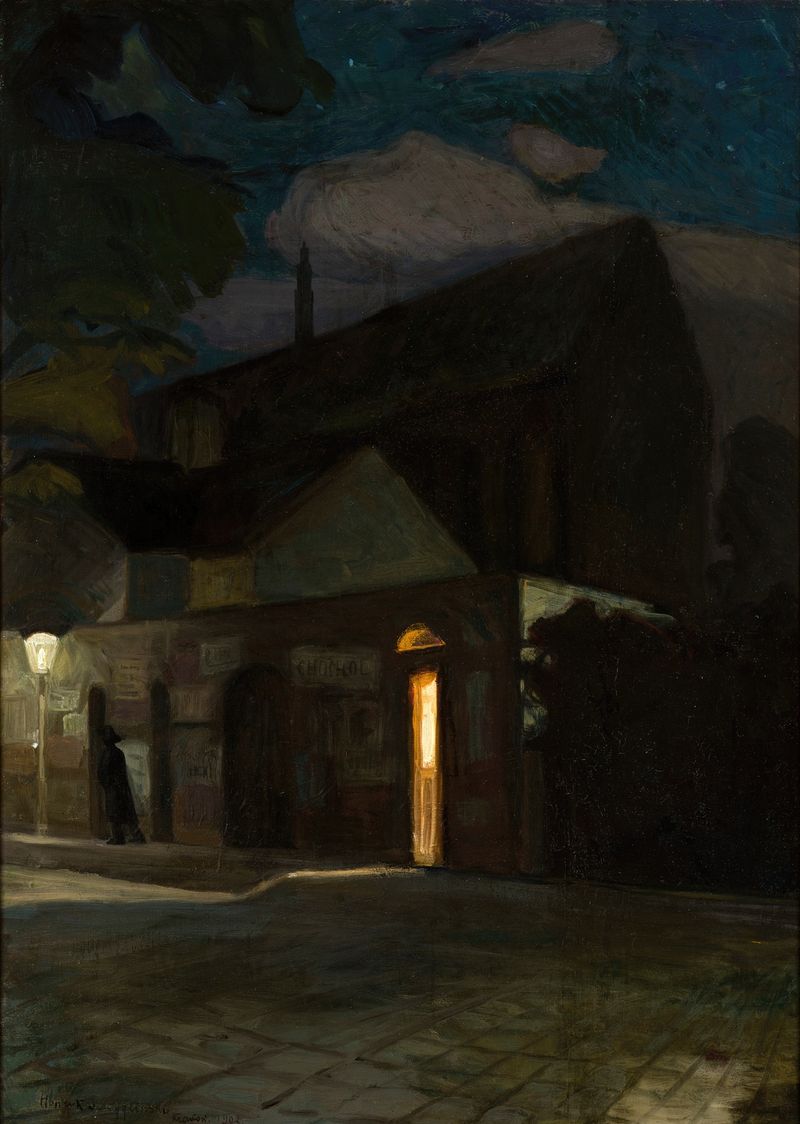
The Domincan Church in Krakow at Night
Henryk Szczygliński

Along the old route of our forefathers
Henryk Szczygliński
More Architecture Art
Browse all →
The statue of Liberty
Frédéric Auguste Bartholdi

View of Houses in Delft, Known as ‘The Little Street’
Johannes Vermeer

View of Houses in Delft, Known as ‘The Little Street’
Johannes Vermeer

The Cathedral in Rouen. The portal, Grey Weather
Claude Monet

The yellow house
Vincent van Gogh

The Church in Auvers-sur-Oise, View from the Chevet
Vincent van Gogh