
Dominican Shambles (Slaughterhouses) in Krakow — History & Facts
In the muted hues of the early 20th century, echoes of nostalgia resonate, inviting reflection on the past's complex emotions. Look closely at the foreground, where the gritty textures of the slaughterhouse floor draw your attention. The light plays softly across the scene, illuminating the figures engaged in their laborious tasks, their postures embodying weariness and resolve. Notice how the deep browns and ochres create a somber yet rich atmosphere, encapsulating the raw reality of life and death, while the stark contrasts in light suggest the weight of unspoken stories. The artwork is a poignant reflection on industrial progress against the backdrop of human struggle.
The juxtaposition of the bustling activity against the stillness of the surrounding space evokes an unsettling tension, as if the very walls of the slaughterhouse bear witness to the lives dealt within. Each figure, caught in their daily grind, hints at individuality and collective anonymity—a testament to the resilience of human spirit amid harsh conditions. In 1903, Dominican Shambles (Slaughterhouses) in Krakow emerged from Henryk Szczygliński’s keen observations of the world around him. Living in Krakow during a period of significant change, he sought to capture the essence of urban life as it transitioned into modernity.
This artwork reflects Szczygliński’s desire to document the social realities of his time, revealing both the beauty and the brutality inherent in the human condition.
More Artworks by Henryk Szczygliński
Browse all →
The joint-stock brewery in Tenczynek
Henryk Szczygliński

House in the Sun
Henryk Szczygliński
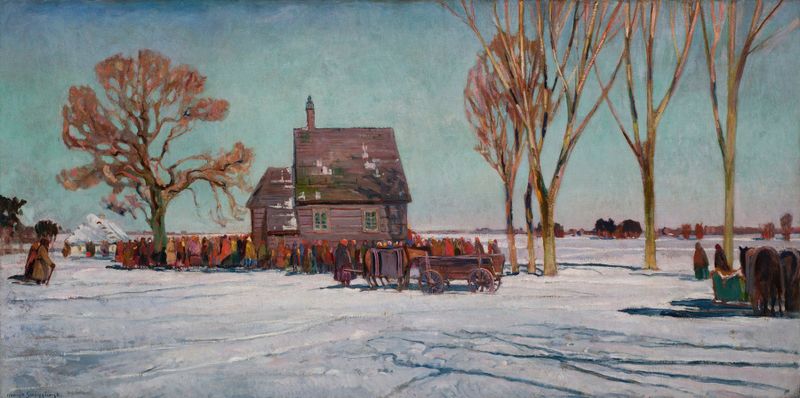
Winter Landscape
Henryk Szczygliński

Landscape near Vilnius
Henryk Szczygliński
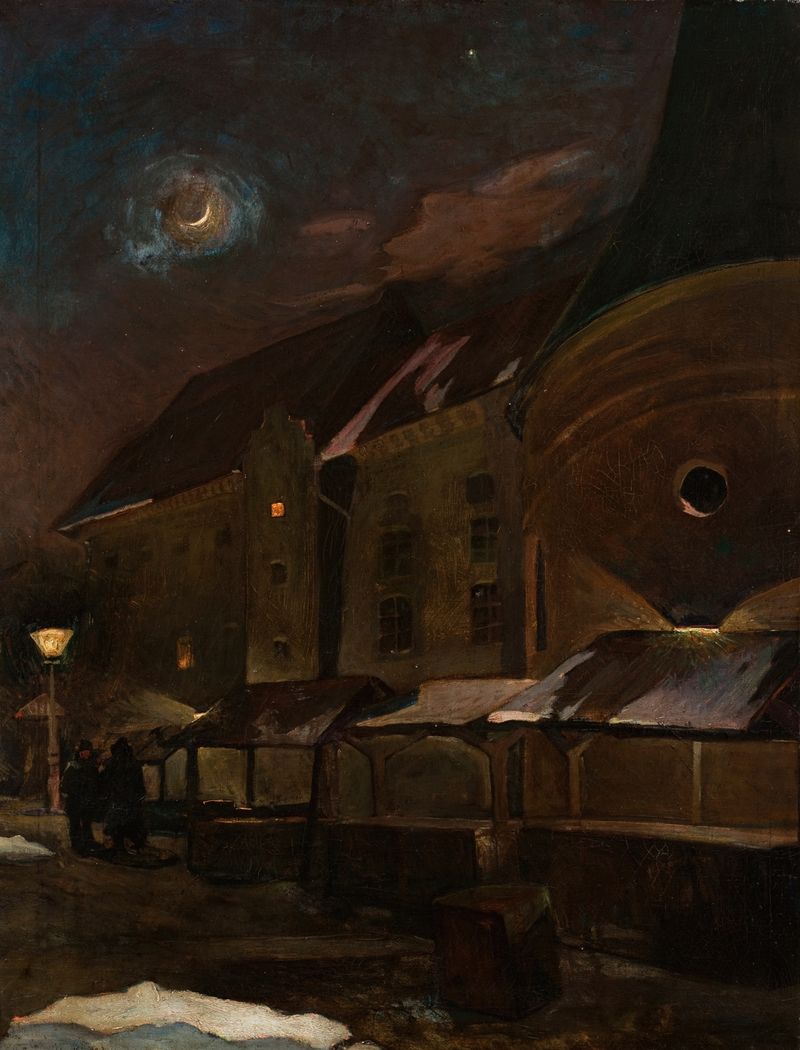
Small Market Square in Krakow at Night
Henryk Szczygliński

Winter landscape at night with a halberdier
Henryk Szczygliński

Babia Góra
Henryk Szczygliński
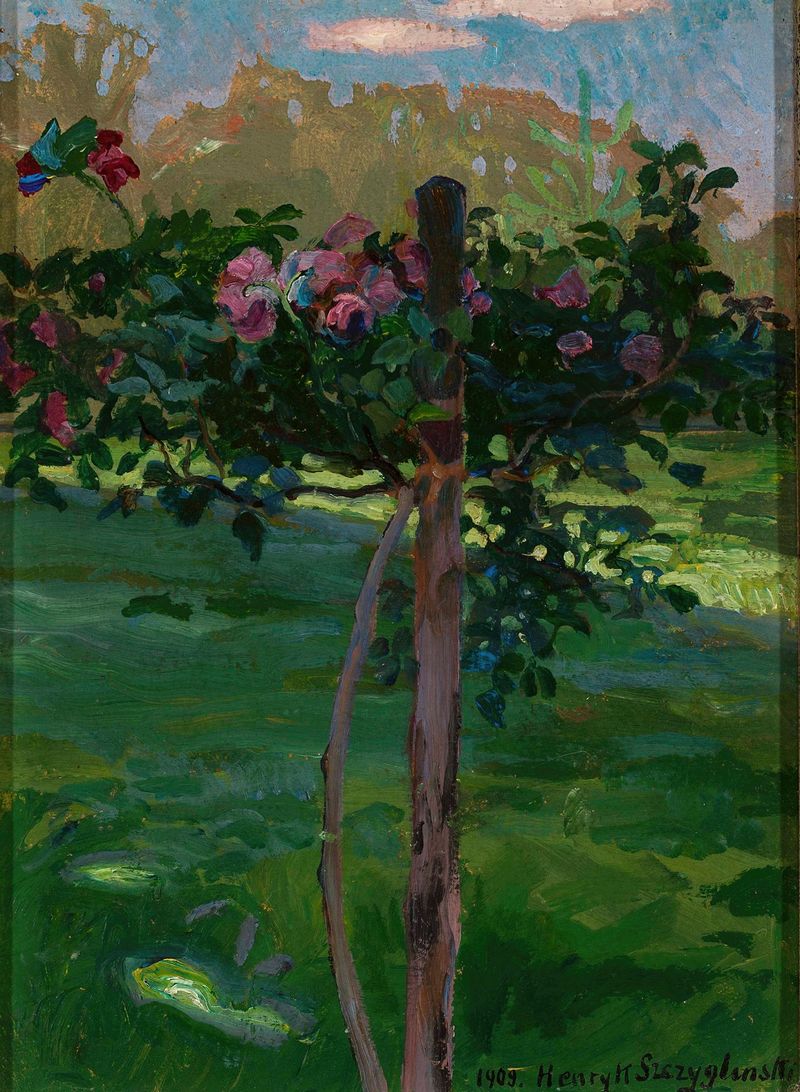
Rose shrub
Henryk Szczygliński
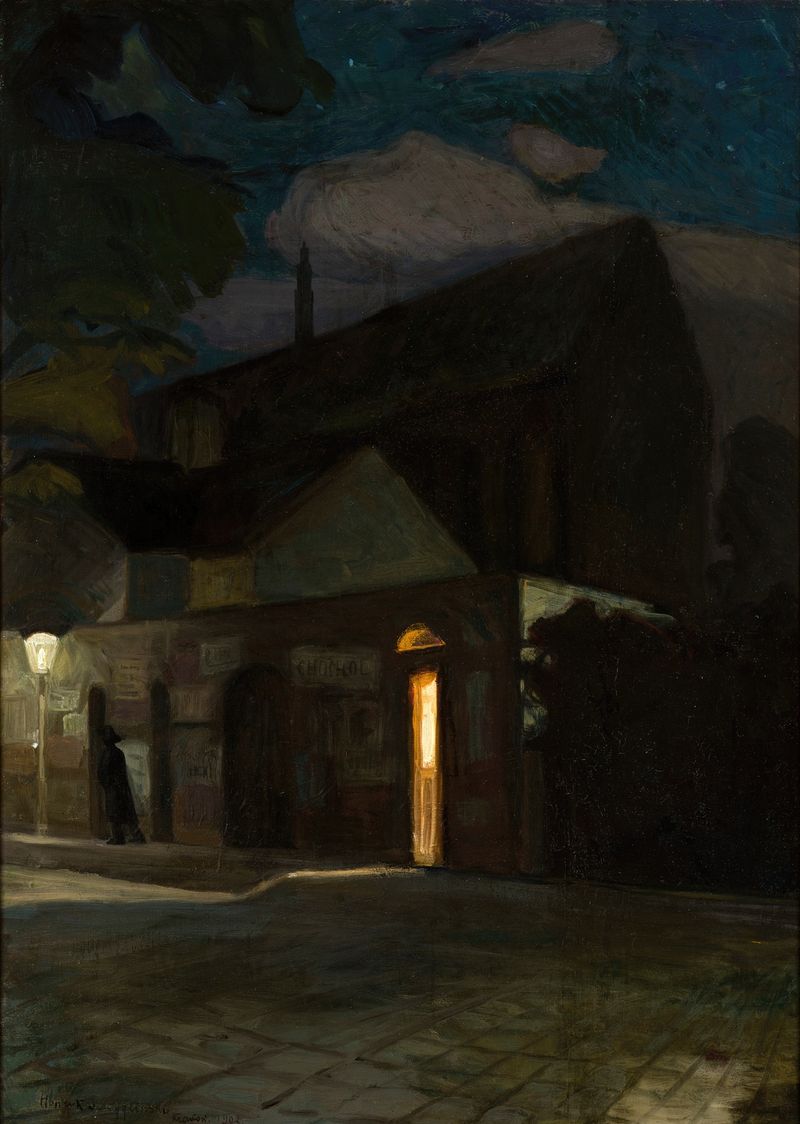
The Domincan Church in Krakow at Night
Henryk Szczygliński

Along the old route of our forefathers
Henryk Szczygliński





