
Hoven, Mandal — History & Facts
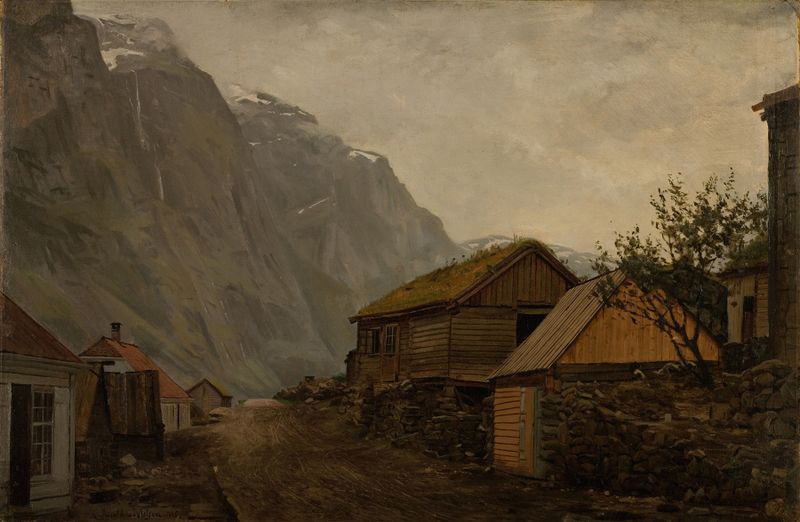
When did color learn to lie? In a world awash in hues, how do we discern the truth from the façade painted upon our emotions? Look to the vibrant blues and greens that dominate the canvas, swirling like a tempestuous sea. The foreground bursts with life, where the distant shoreline merges seamlessly with the horizon, an ecstatic dance of nature’s palette. Notice how the artist skillfully manipulates light, casting soft reflections across the water’s surface, inviting the viewer into a moment suspended in time.
The composition is both expansive and intimate, drawing your gaze from the rugged cliffs to the swirling clouds overhead, where the sky seems to breathe with its own vibrant life. Yet, beneath this jubilant surface lies a contrast of tranquility and tumult. The stark cliffs stand resolute, a silent watch over the restless water, hinting at the unyielding power of nature. The ethereal clouds, painted with strokes of white and gray, suggest an impending storm, evoking a sense of foreboding amidst the beauty.
This dichotomy of ecstasy and tension invites contemplation about the balance of joy and turmoil inherent in both nature and human existence. In 1901, the artist created this piece while living in Norway, a period when nationalism in art was blossoming alongside the burgeoning modernist movement. Nielsen sought to capture the essence of his homeland, employing Impressionistic techniques that were gaining traction across Europe. His work reflects a personal connection to the landscape while also responding to the wider artistic dialogues of the time, marking a pivotal moment in his career and the evolution of Scandinavian art.
More Artworks by Amaldus Nielsen
Browse all →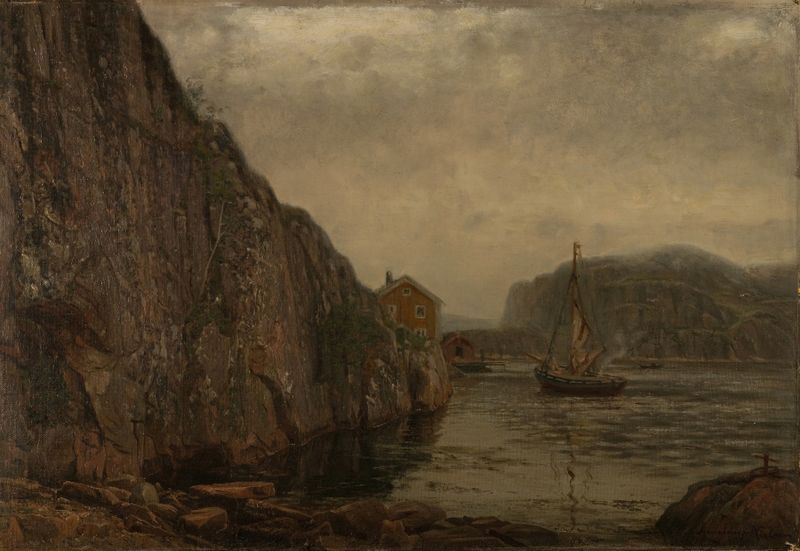
Skjærgård, Ny-Hellesund
Amaldus Nielsen
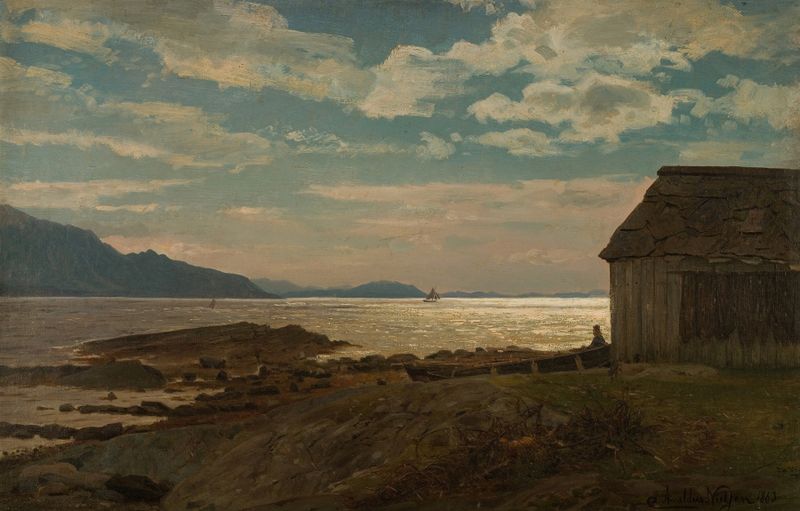
Fra Ølvestranden, Hardanger
Amaldus Nielsen
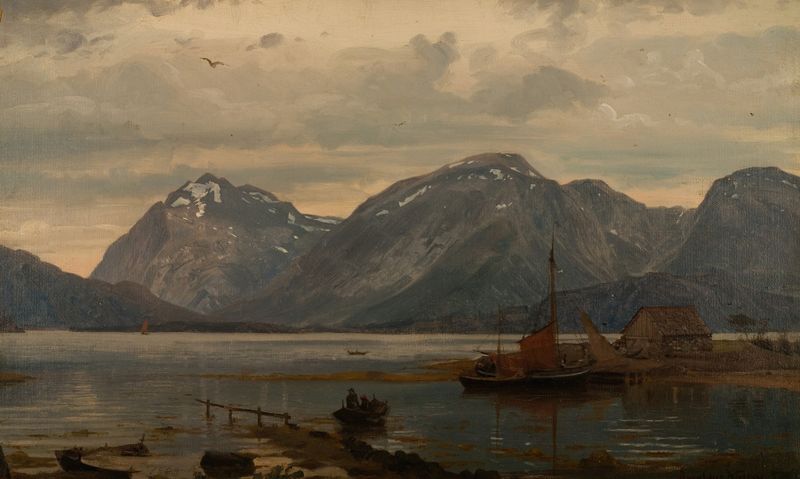
Fra Englafjellene, Hardanger
Amaldus Nielsen
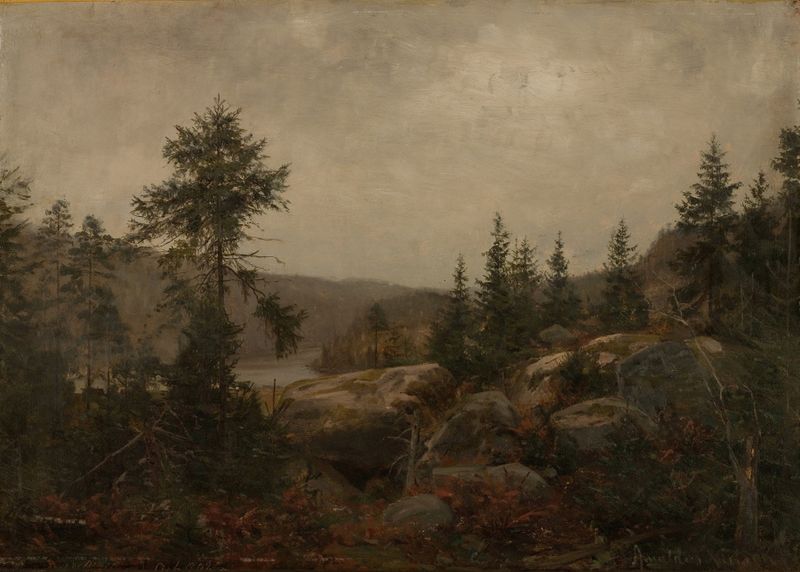
Duskregn . Gården Foss, Mandalselven
Amaldus Nielsen
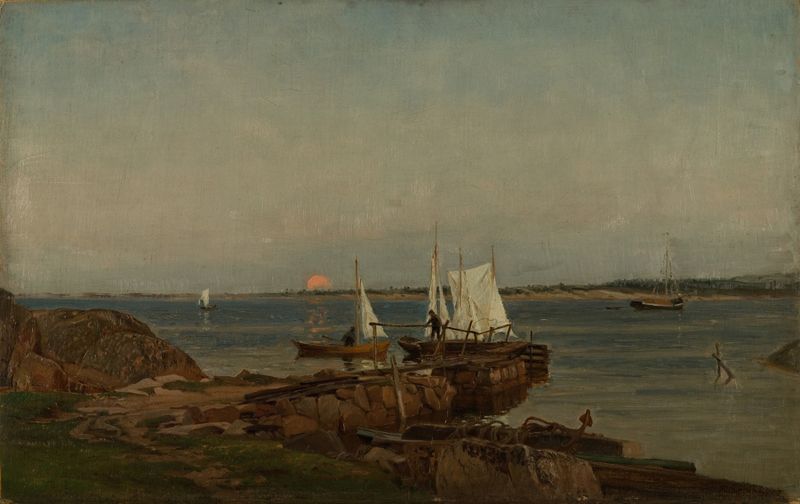
Sommernatt, Hvaler
Amaldus Nielsen
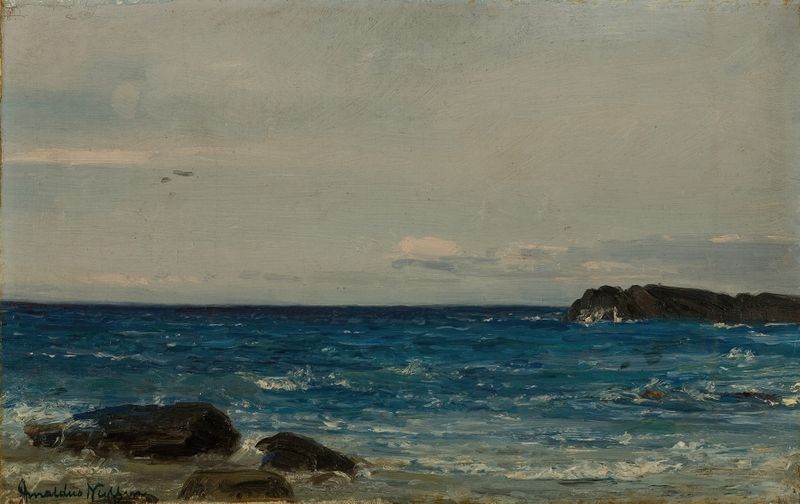
Fra Jæren
Amaldus Nielsen
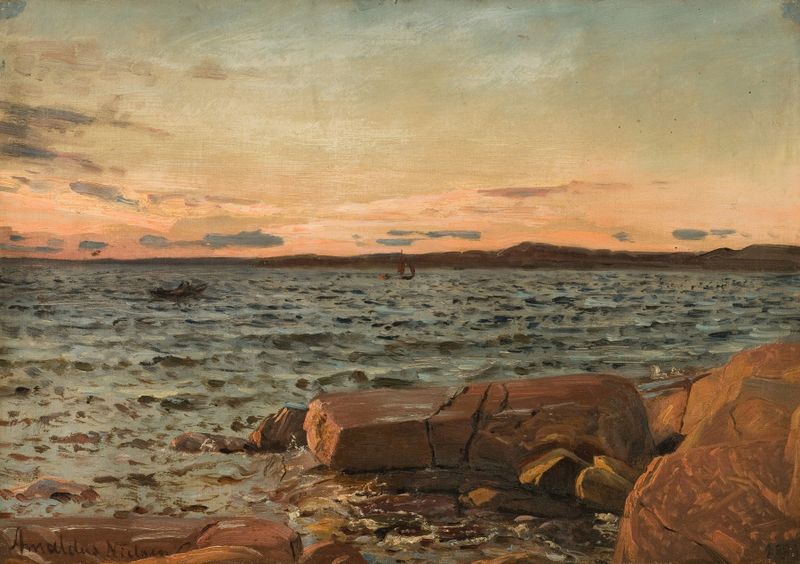
Solgangsvind, Hvaløene
Amaldus Nielsen
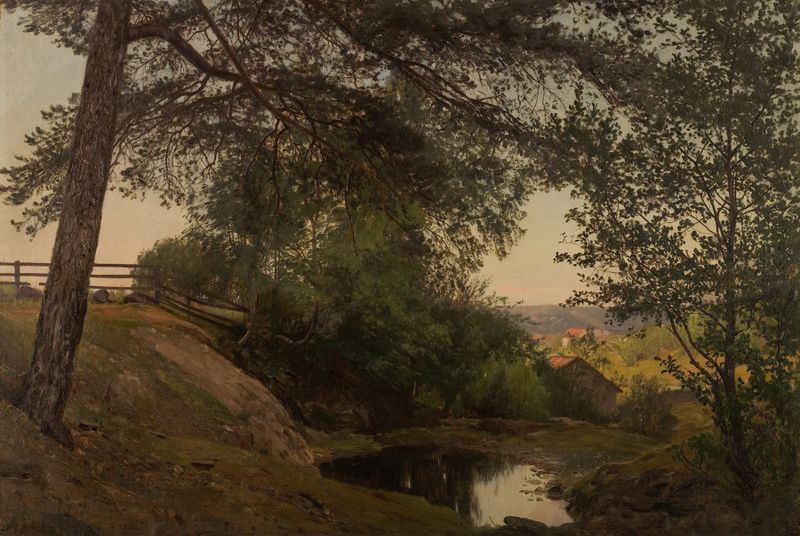
Mellom trærne. Lervik, Stord
Amaldus Nielsen

Båtbyggeri, Lillesand
Amaldus Nielsen
Regnstemning, Gudvangen
Amaldus Nielsen





