
Hulvej i Tolne bakker, Vendsyssel, 21 maj 1833 — History & Facts
This sentiment resonates deeply with the tumultuous emotions captured in the landscapes of the early 19th century. Through the lens of nature, we find reflections of our own obsessions and inner turmoil. Begin your exploration at the lower right, where rich greens surge upward through gentle hills. Rørbye’s deft strokes create a sense of movement, guiding your gaze across the undulating landscape toward the horizon.
The interplay of light and shadow casts a serene glow over the scene, while the sky—a canvas of soft blues and whites—hints at the delicate balance between tranquility and unrest. Each brushstroke reveals the artist’s commitment to capturing not just the physical space, but the emotional resonance nestled within it. As you delve deeper, notice the subtle contrast between the vibrant vegetation and the softer, more muted tones of the sky. This dichotomy reflects the tension between the chaotic energy of the natural world and the calmness of the observer’s experience.
The distant hills form a backdrop of both beauty and isolation, suggesting a yearning for connection that seems ever out of reach. Rørbye’s meticulous attention to detail invites contemplation on the obsession with capturing not just the landscape, but the essence of fleeting moments in time. In 1833, while painting this scene in Vendsyssel, Denmark, Rørbye was at the forefront of a movement that celebrated the beauty of the everyday. His works mirrored the Romantic ideal, as he sought to express the sublime in nature.
During this period, the art world was increasingly influenced by a fascination with emotion, a reflection of society’s pursuit for meaning amidst the industrial changes of the era.
More Artworks by Martinus Rørbye
Browse all →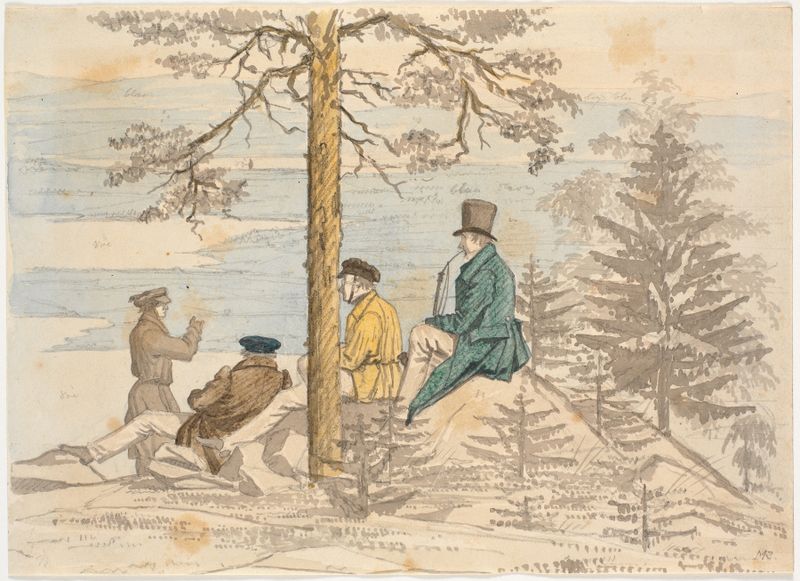
Fire mænd betragter udsigten fra Holmekollen
Martinus Rørbye
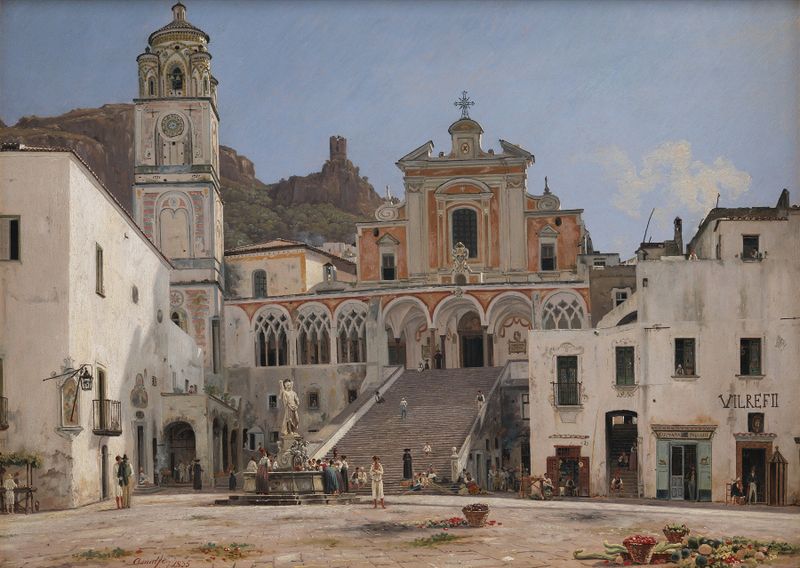
View of the Square in Amalfi
Martinus Rørbye
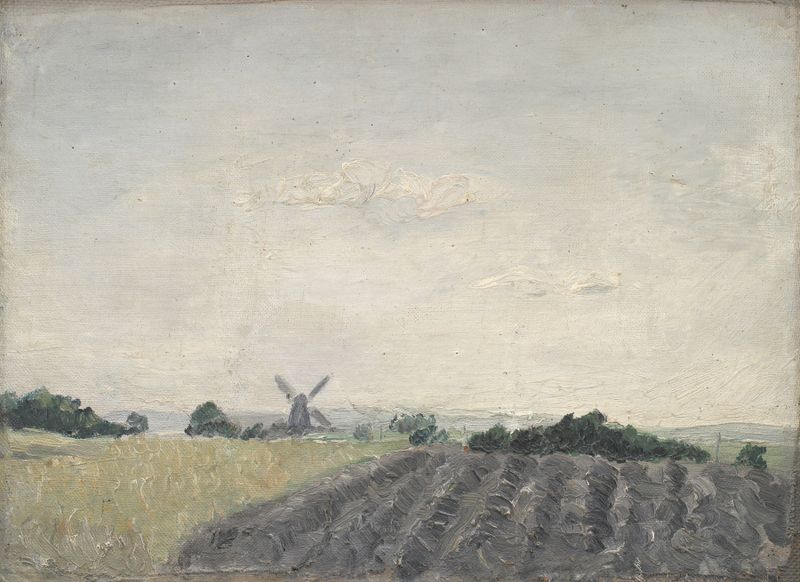
A Courtyard in Rome. Copy after Eckersberg
Martinus Rørbye
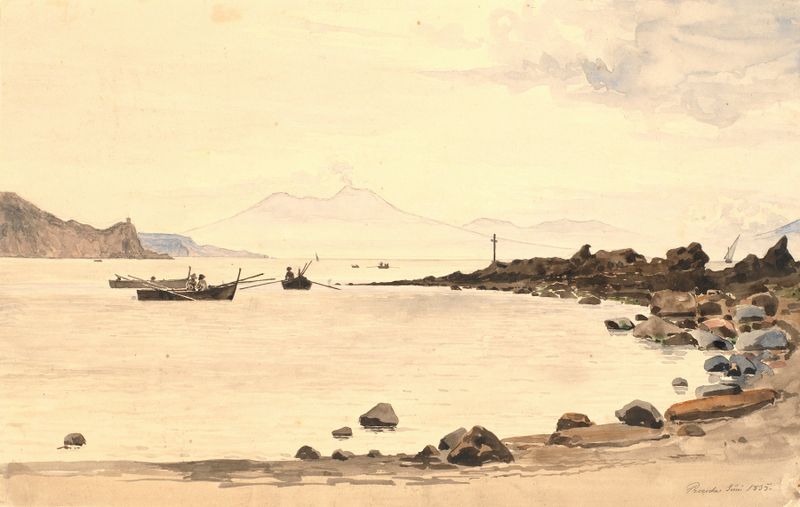
Udsigt mod Vesuv fra Procida
Martinus Rørbye
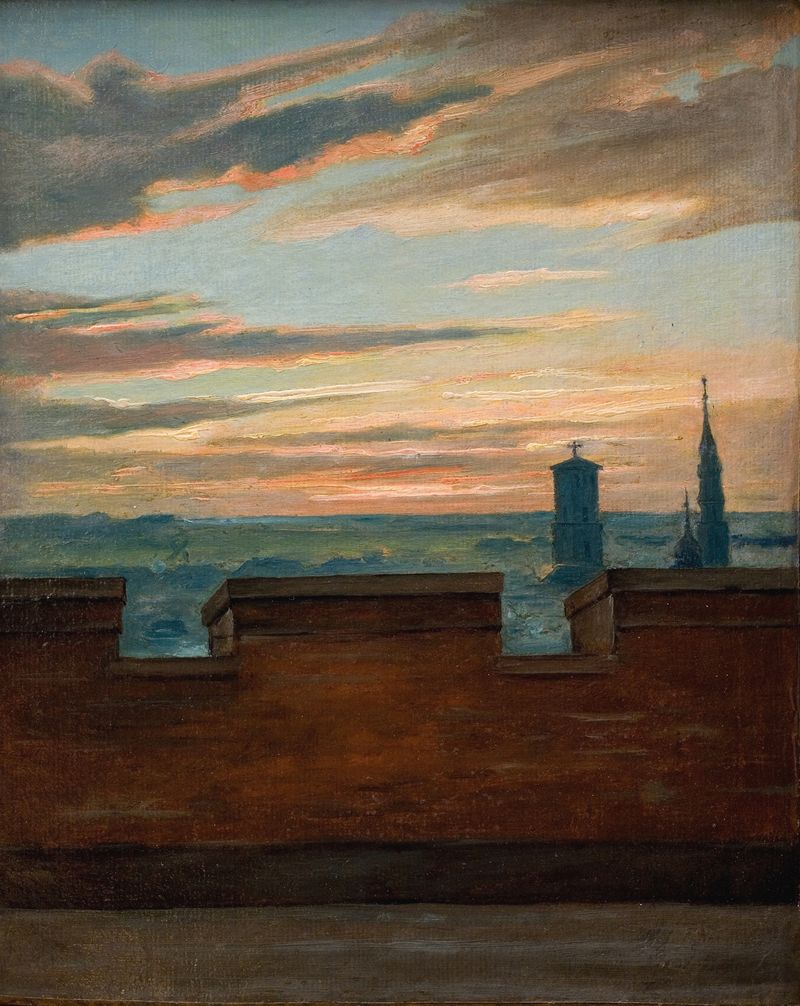
View of Copenhagen at Sunset
Martinus Rørbye
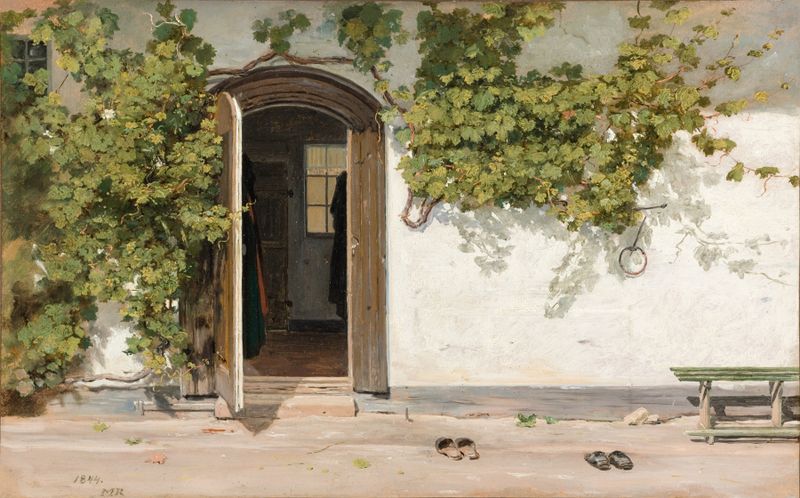
Entrance to an Inn in the Praestegarden at Hillested
Martinus Rørbye
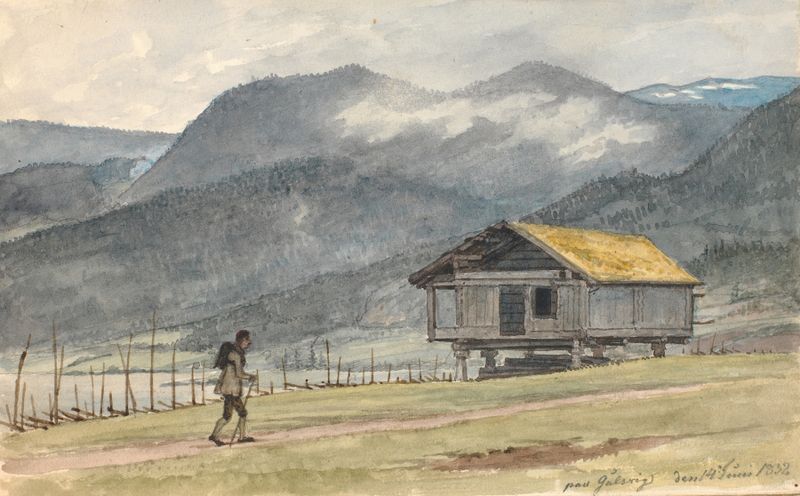
Fjeldlandskab med hytte og vandrer
Martinus Rørbye
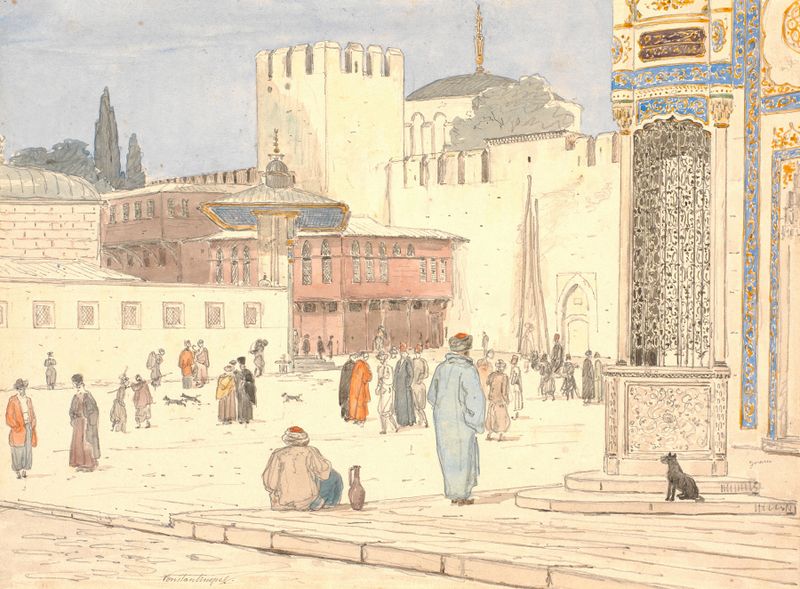
The Square in Front of Bab-i-Hümayan in Constantinople
Martinus Rørbye
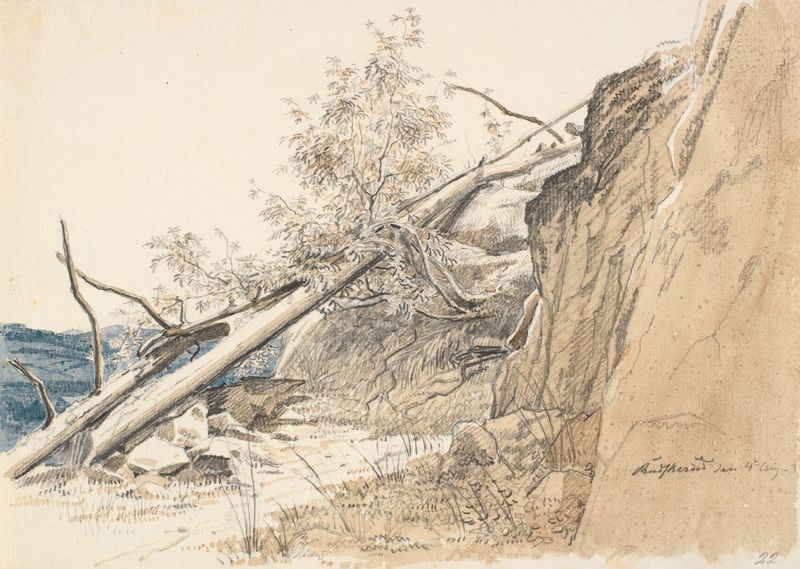
Tree Trunk Leaning Against a Rock. Norway
Martinus Rørbye
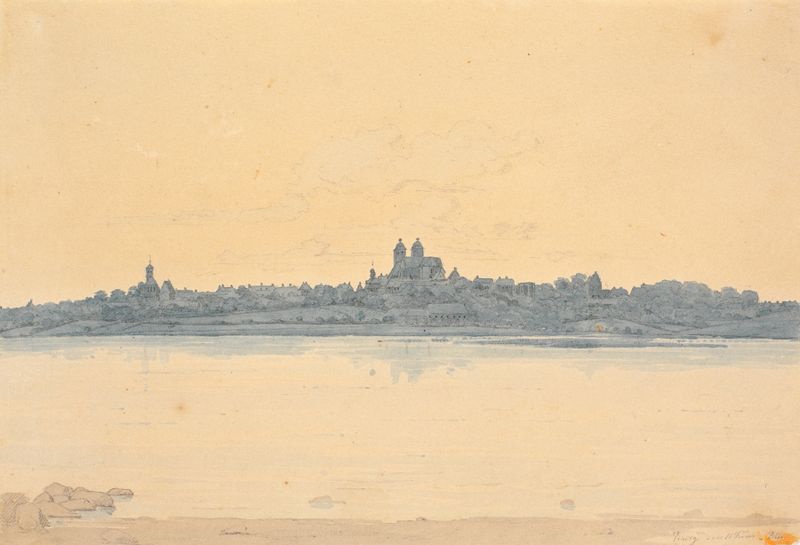
Viborg Seen from Asmild Klosterhave near Søndersø
Martinus Rørbye





