In t’Duin te Bloemendaal — History & Facts
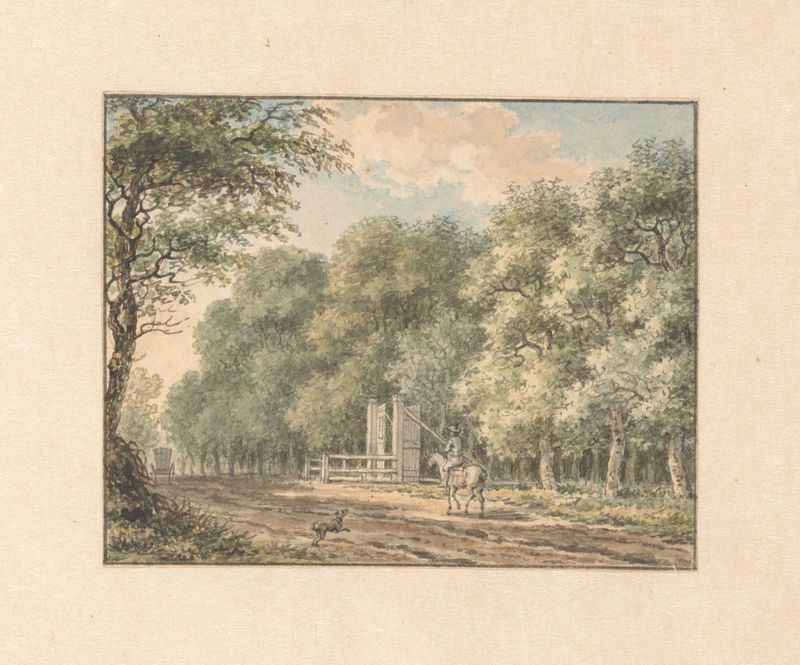
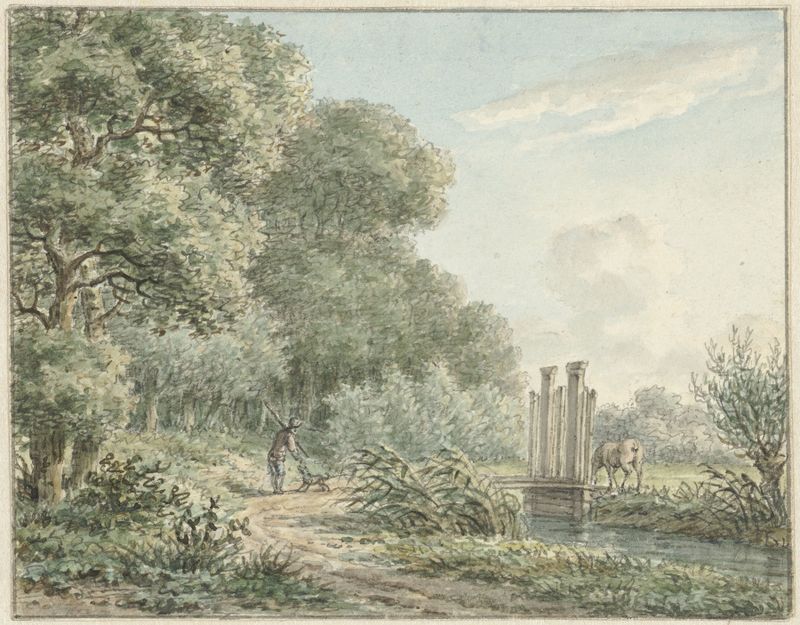
What if beauty was never meant to be finished? The ethereal dreamscape captured here invites us into an unfinished reverie, where nature's splendor intertwines with the imagination's flight. Look to the foreground, where the delicate play of soft greens and warm browns unfolds like a whispered secret. The foliage emerges in a symphony of brushstrokes, each leaf rendered with a tender touch, while the distant horizon blurs in gentle hues of azure and gold. Notice the interplay of light that spills through the trees, casting dapples of illumination across the earth—each ray a reminder of the transience of this serene moment. As you delve deeper, consider how the vibrant blooms juxtapose against the inherent stillness of the scene.
The wildflowers, with their vivid hues, seem to bloom not just in the soil, but within the soul, evoking a sense of longing and nostalgia. This visual harmony speaks to nature’s cyclical beauty, its fleeting moments forever caught in a dance with time, asking us to reflect on what exists beyond the canvas. Created in 1801, this work emerged during a period of great transition in the world of art, as the neoclassical ideals began to yield to romantic expressions. Jan Evert Grave was exploring the interplay of light and texture, drawing inspiration from both the beauty of the Dutch landscape and the emotional depth that could be expressed through nature.
During this period, the artist’s focus on sublime beauty reflected the broader cultural shift towards valuing personal experience and the emotional intensity of art.