Op de Amstelveense Weg — History & Facts
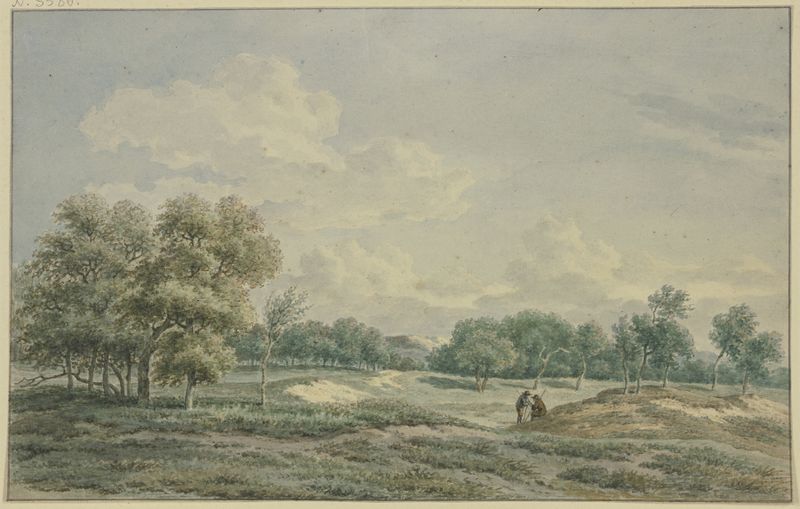
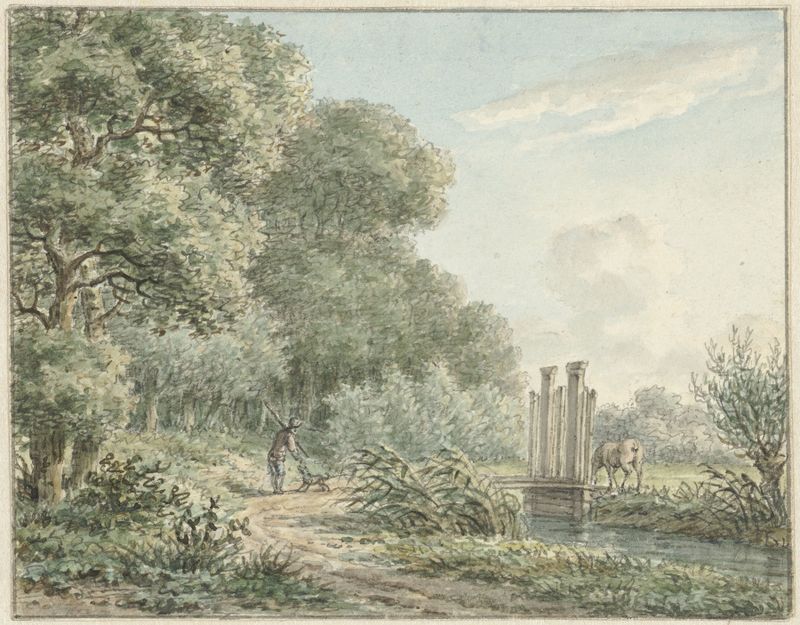
When did color learn to lie? In a world muted by routine, the art of deception and rebirth unfolds within the vibrant strokes of paint. Focus on the central figure that anchors the composition, a lone traveler making their way along the Amstelveense Weg. Flanked by lush greenery, hues of deep greens and warm earth tones contrast sharply against the cerulean sky—a juxtaposition that breathes life into the canvas. The play of light illuminates the path ahead, beckoning the viewer to join this solitary figure on their journey. This artwork speaks of transitions, both literal and metaphorical.
The traveler’s posture suggests movement, symbolizing the quest for change, while the bright colors surrounding them evoke hope and renewal. Notice how the trees seem to lean in, cradling the figure's passage with protective branches—there's a sense of community within solitude. The road itself, winding yet inviting, suggests a life rich with possibilities, where every bend could unveil new chapters. Jan Evert Grave painted this piece in 1798, during a period marked by artistic exploration and change in the Netherlands.
The late 18th century was a time of shifting ideals, transitioning from the rigid conventions of the past to the more expressive forms of Romanticism. Living in Amsterdam, Grave was surrounded by cultural advancements and a burgeoning appreciation for landscape painting, which would influence his approach and subject matter, ultimately leading him to celebrate both the ordinary and the extraordinary in his works.