
In the dunes — History & Facts
When did color learn to lie? The interplay of light and shadow in In the Dunes invites us to question the very essence of perception, whispering secrets hidden beneath the surface of the landscape. Focus on the deep ochres and muted blues that dominate the scene, as they wash over the undulating dunes. The artist’s brush dances across the canvas, creating a rhythm that mimics the gentle swell of sand. Notice how the shadows stretch languidly, casting an illusion that beckons the viewer to step into this desolate yet captivating world.
The subtle gradation of tones draws our gaze, leading us through the undulating terrain while evoking an atmosphere ripe with mystery. Within these sandy crevices, there exists a tension between the starkness of the landscape and the soft embrace of twilight. The shadows, almost sentient, take on a life of their own, as if to remind us of what lies beyond our immediate sight. This duality speaks volumes—each part of the landscape is both a refuge and a reminder of isolation.
In its quietude, the work reflects the burden of solitude and the interplay of identity and environment. Heinrich Hermanns painted this work during a time when he was exploring the nuances of natural landscapes. The exact date remains unknown, leaving a veil of intrigue over its creation. Working in a period characterized by a shift towards introspective and abstract representations in art, Hermanns was likely influenced by the burgeoning modernist movements that were reshaping perceptions of form and color in the early 20th century.
More Artworks by Heinrich Hermanns
Browse all →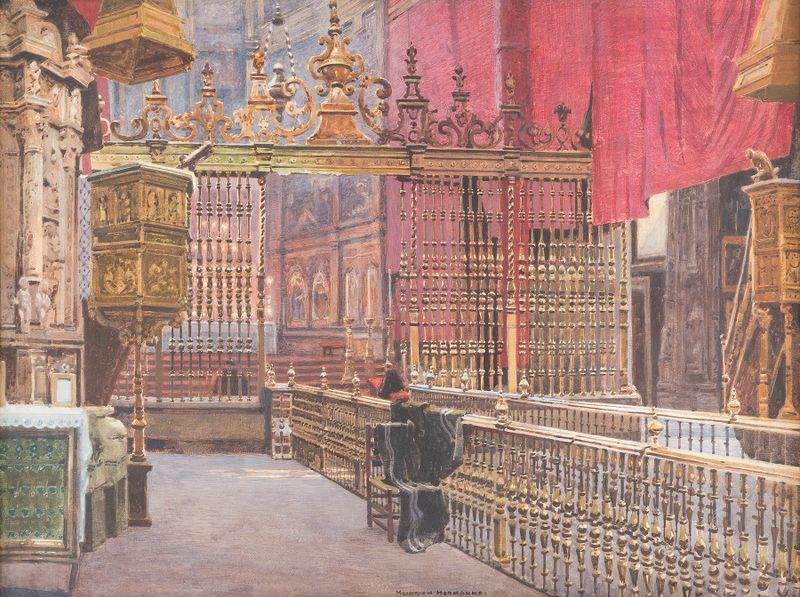
Interior Of The Cathedral Of Ávila (Spain).
Heinrich Hermanns
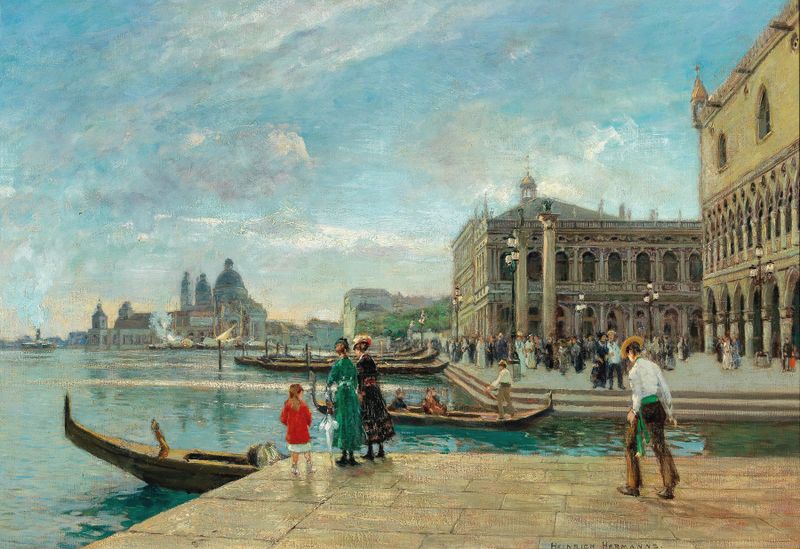
Venice, a view of St Mark’s Columns and Santa Maria della Salute
Heinrich Hermanns
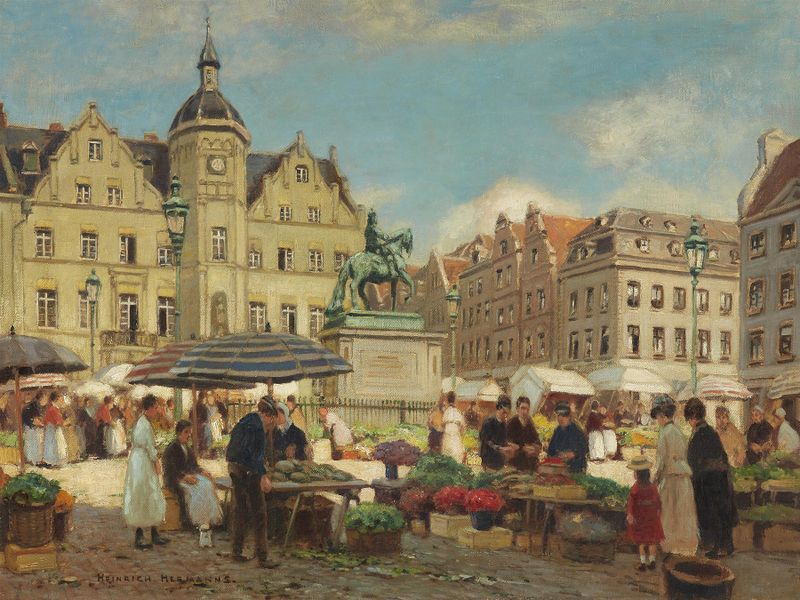
Markt vor dem Rathaus in Düsseldorf
Heinrich Hermanns
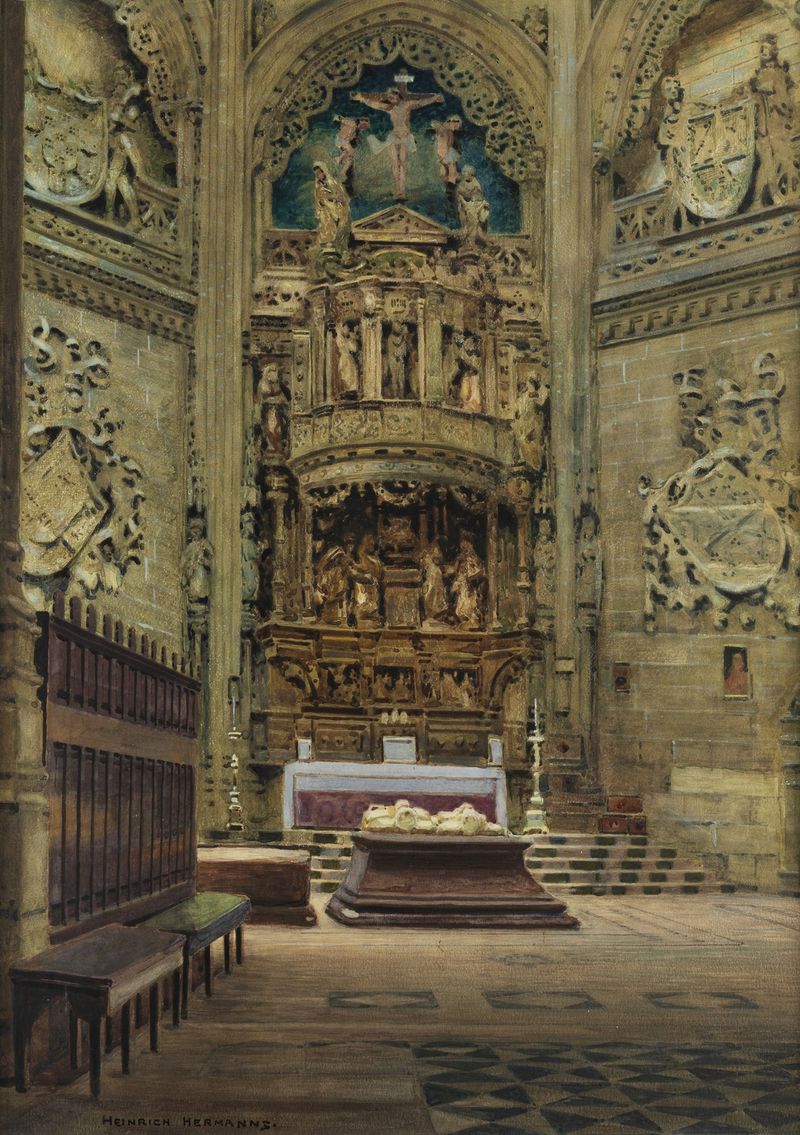
Inneres der Kathedrale von Burgos
Heinrich Hermanns
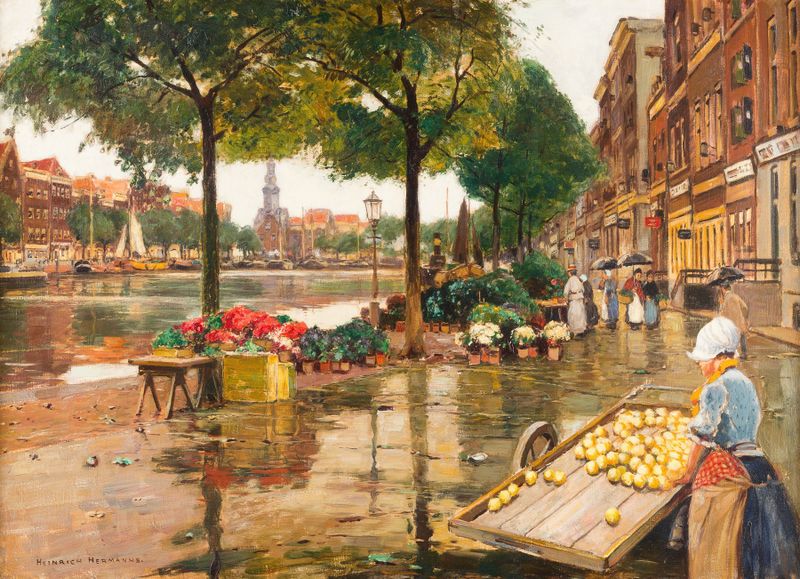
Flower market in Amsterdam
Heinrich Hermanns
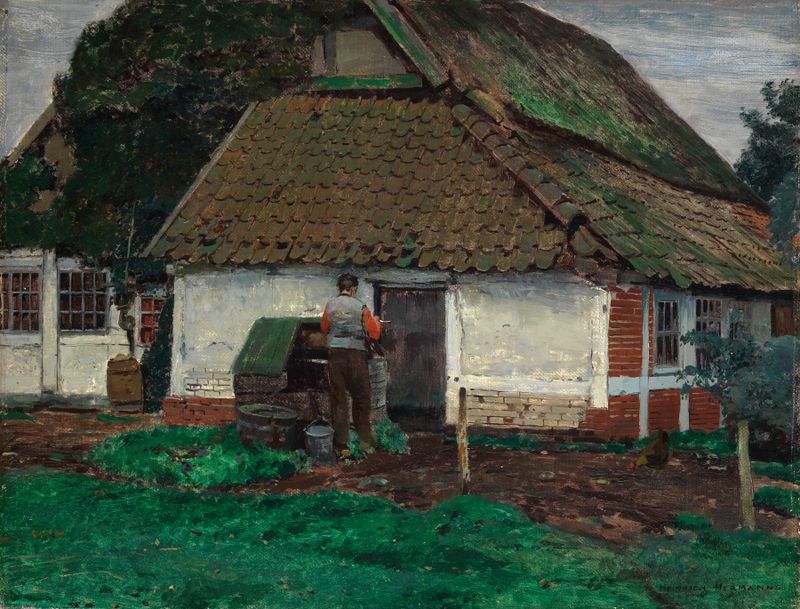
Alte Hütte
Heinrich Hermanns





