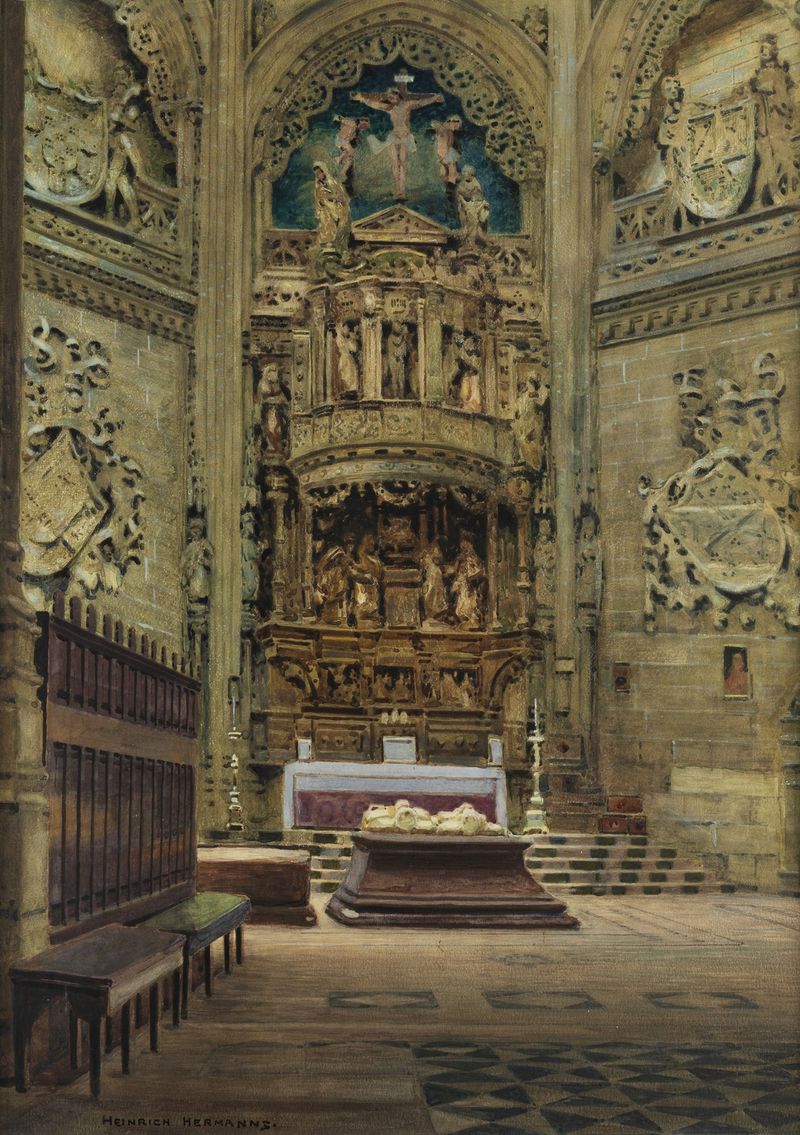
Interior Of The Cathedral Of Ávila (Spain). — History & Facts
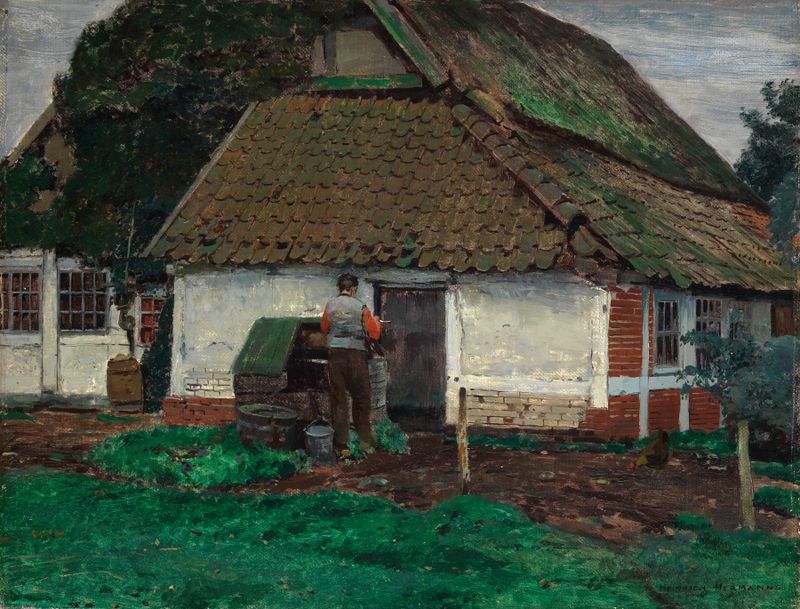
Who listens when art speaks of silence? In the hushed sanctuary of a grand cathedral, stillness becomes a canvas for contemplation and innocence. Look to the left at the delicate interplay of light filtering through stained glass windows, casting vibrant hues onto the stone floor. The intricate details of the arches draw the eye upward, leading to the soaring ceiling that seems to embrace the heavens. Notice how the artist employs a muted palette, allowing the quiet strength of the architecture to dominate, while soft shadows suggest the passage of time and the weight of history. This painting invokes a sense of reverence, contrasting the immensity of the cathedral with the fragility of human existence.
The absence of figures amplifies the solitude, inviting the viewer to reflect on their own experiences of faith and vulnerability within such sacred spaces. Each brushstroke carries an emotional weight, as if the artist is whispering secrets of innocence and awe found in the divine. Created during an unspecified period, the artist worked within a tradition that sought to capture the transcendent qualities of religious spaces. While not much is known about Heinrich Hermanns, his focus on architectural grandeur and profound silence speaks to a time when artists were deeply engaged with exploring themes of spirituality and the human spirit, resonating in the quiet corners of the places they depicted.