
In the Forest — History & Facts
Did the painter know this moment would outlive them? In the quiet embrace of nature, the stillness within In the Forest invites the viewer to contemplate the weight of silence, a gentle reminder of the passage of time and the permanence of art. Focus on the deep greens that envelop the canvas, drawing your eye toward the delicate interplay of light filtering through the canopy above. The trees, standing like sentinels, stretch skyward, their trunks a rich, earthy brown, grounding the ethereal quality of the scene. Notice how the dappled sunlight creates soft patterns on the forest floor, illuminating patches of moss and fallen leaves, evoking a sense of serenity and solitude. The juxtaposition of light and shadow hints at the contrasts inherent in life: the visible and the obscured, the known and the mysterious.
Each brushstroke captures the fleeting moment of nature’s quietude, inviting introspection about what lies beneath the surface. The absence of human presence amplifies the emotional weight, as if the forest itself holds secrets, waiting to be discovered. The painting speaks to the universal desire for solace and the often-overlooked beauty found in stillness. Friedrich Carl von Scheidlin created this piece in 1860, during a time when Romanticism was flourishing in the art world.
Living in Germany, he was deeply influenced by the natural landscapes surrounding him, reflecting a societal shift towards appreciating nature’s untamed beauty. This period marked a transition, as artists sought to express personal emotions and universal truths through their works, making the forest not just a backdrop, but a vital character in the story of existence.
More Artworks by Friedrich Carl von Scheidlin
Browse all →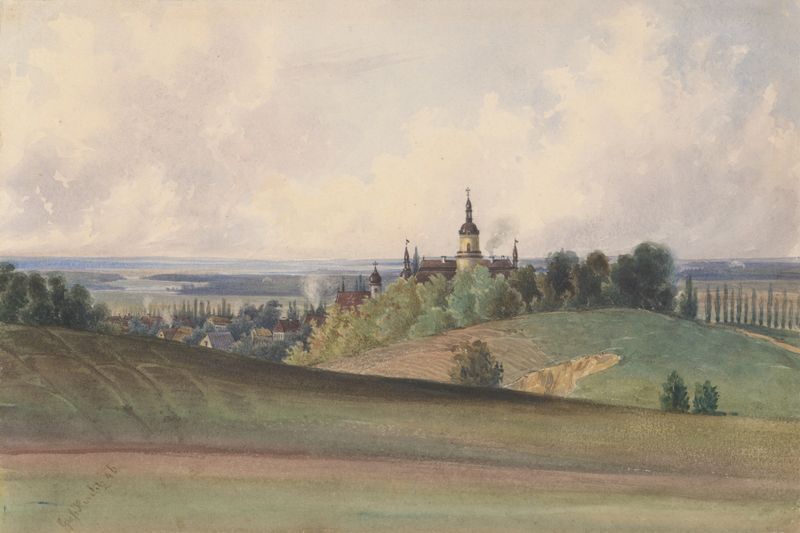
View of Gross Herrlitz
Friedrich Carl von Scheidlin
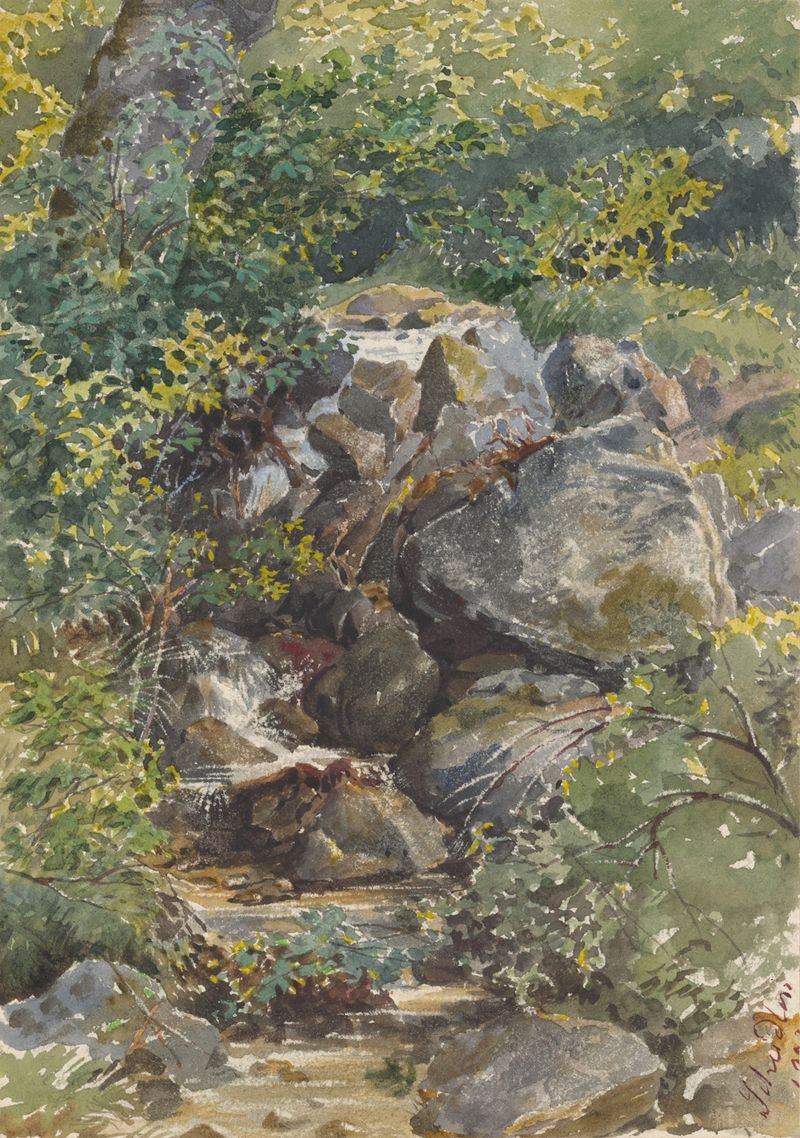
Forest Brook
Friedrich Carl von Scheidlin
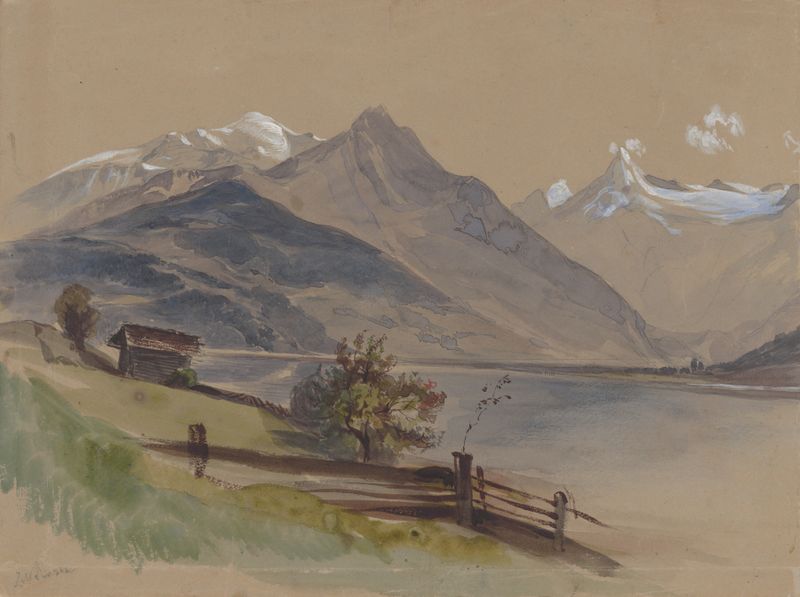
Alpine Landscape with a Lake
Friedrich Carl von Scheidlin
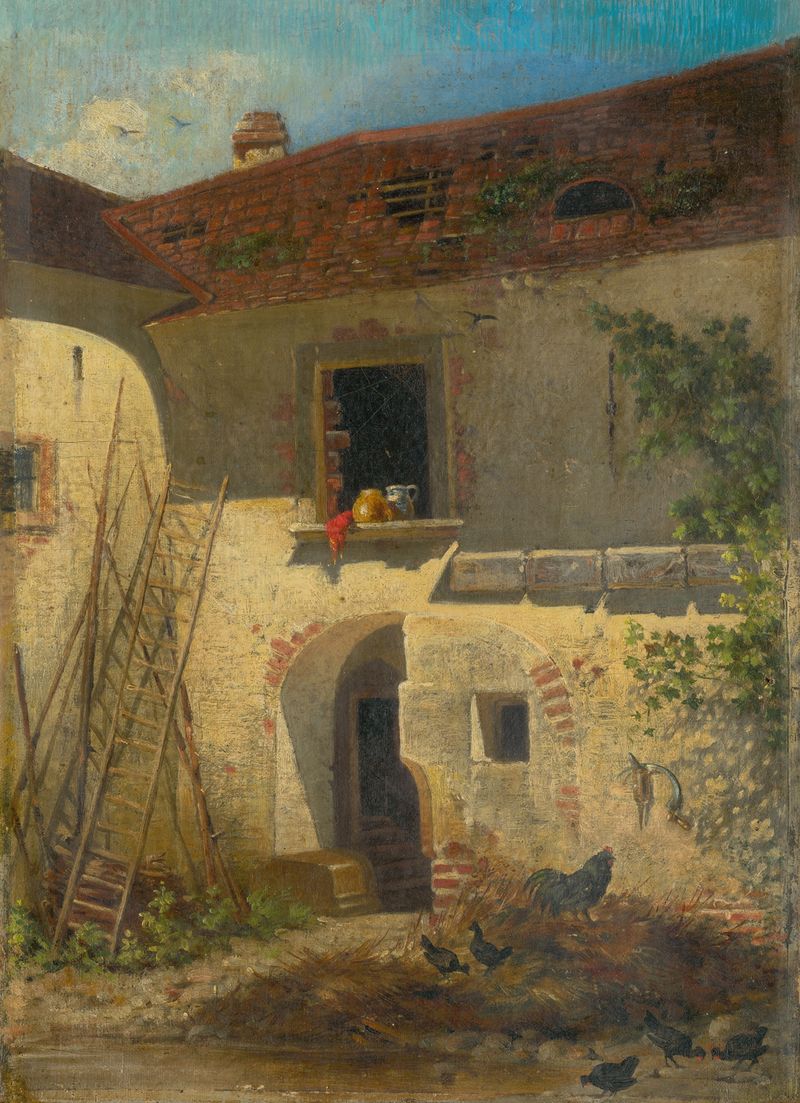
Old Farm Yard in Jur
Friedrich Carl von Scheidlin
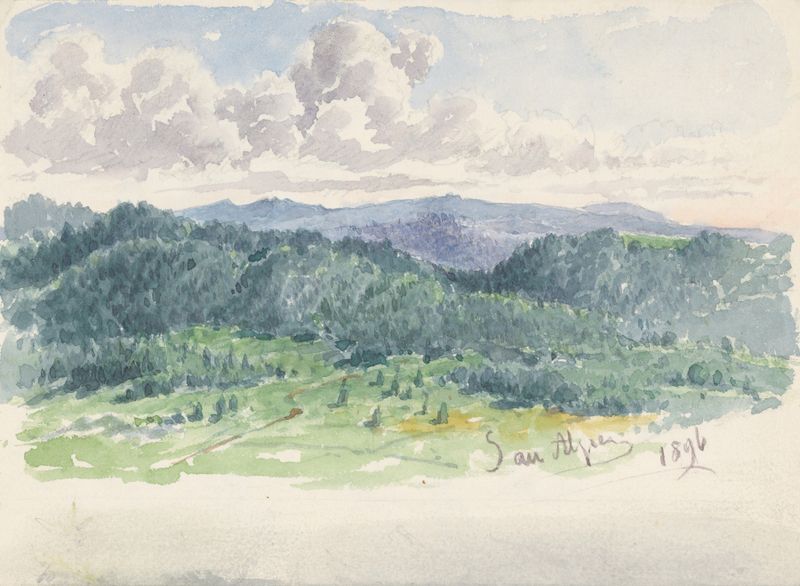
Mountain Landscape
Friedrich Carl von Scheidlin
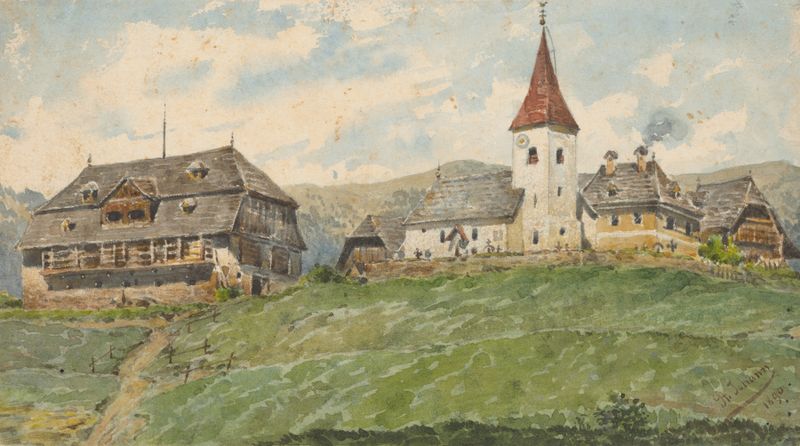
View of St. Johann
Friedrich Carl von Scheidlin
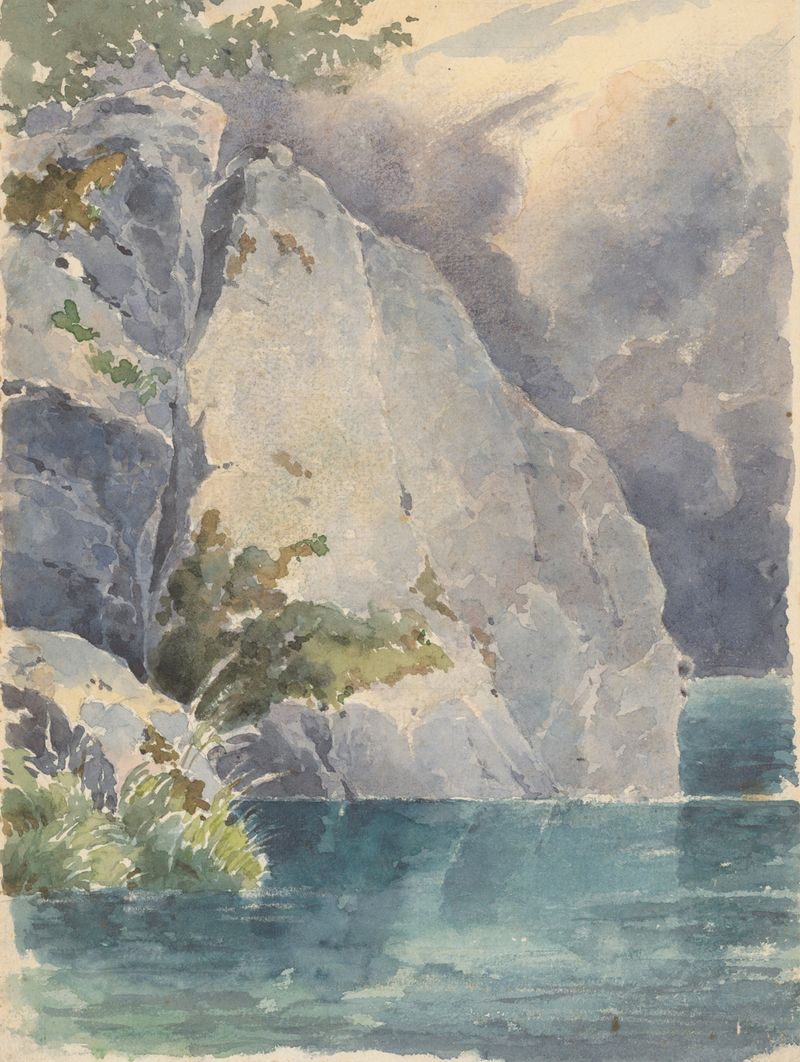
Rock above a Lake
Friedrich Carl von Scheidlin
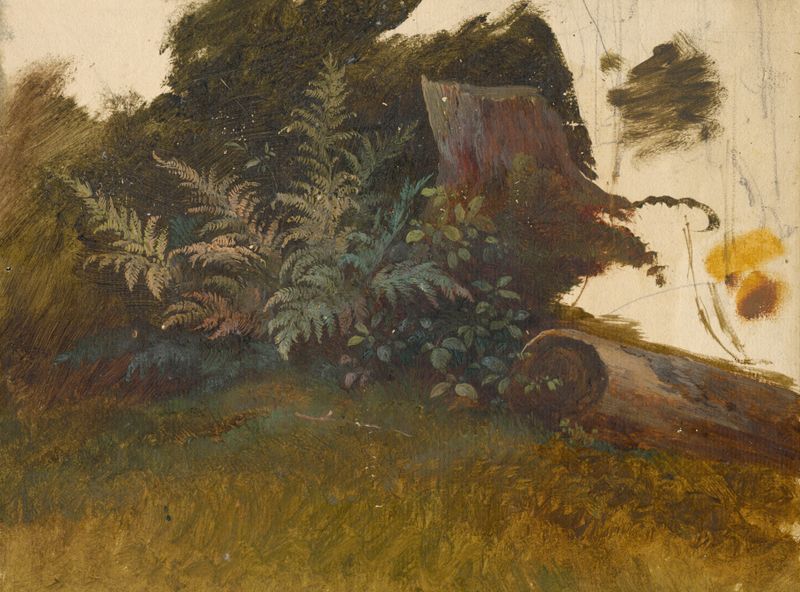
Mountain Vegetation
Friedrich Carl von Scheidlin
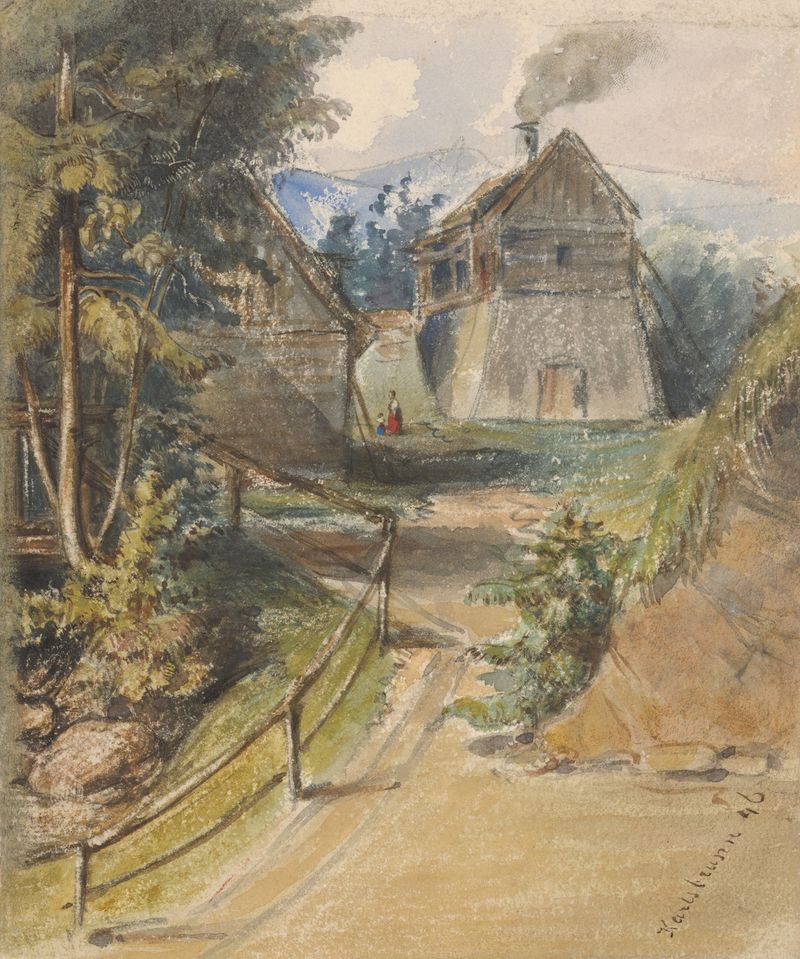
Motif from Karlsbrunn
Friedrich Carl von Scheidlin
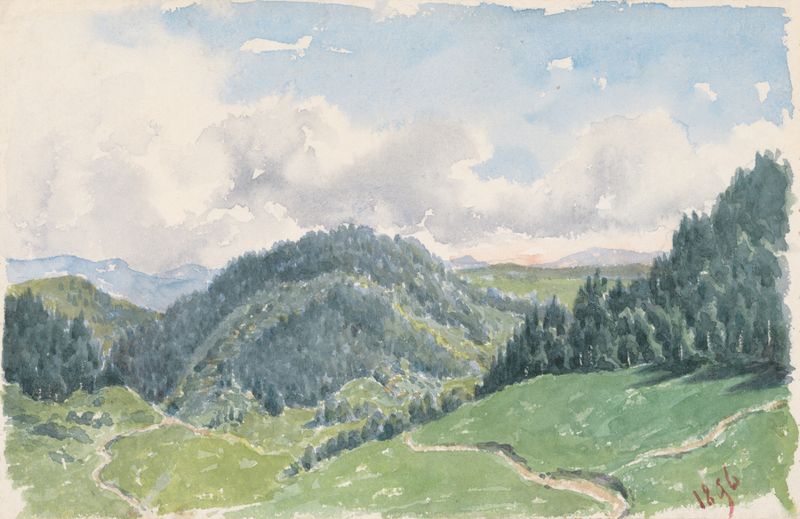
Mountain Landscape
Friedrich Carl von Scheidlin





