In the Heather — History & Facts
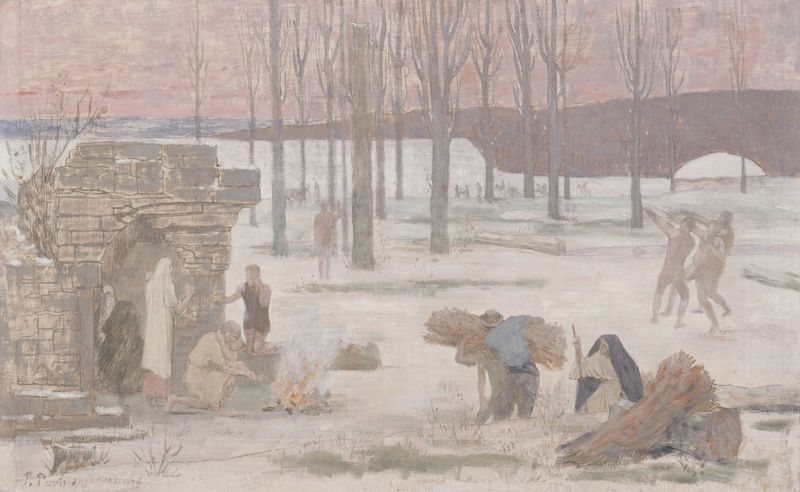
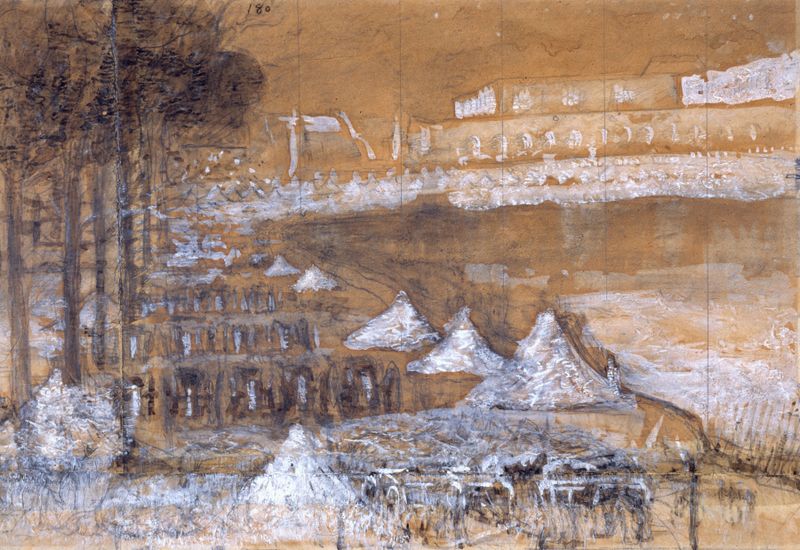
In the gentle embrace of nature, moments of ecstasy often reveal themselves, nestled within the harmony of light and shadow. Here, one can almost feel the pulse of the earth, resonating through the hues of heather and sky. Look to the center, where the flowing lines of the figures draw your gaze into their serene interaction with the landscape. The soft lavender of the heather envelops the scene, creating a dreamlike quality that contrasts with the earthy greens and browns.
Notice how the dappled sunlight dances across the figures, illuminating their faces and highlighting the textures of their garments, suggesting a fleeting connection to the natural world around them. As you delve deeper, you’ll find a subtle tension between the figures and their surroundings. The way they seem to emerge from, yet remain separate from, the fabric of nature speaks to the complexity of human emotion—joy intertwined with introspection. The gentle curves of the heather contrast with the rigidity of the figures, symbolizing the struggle between the freedom of spirit and the constraints of societal roles.
This duality imbues the artwork with layers of meaning that invite contemplation. In 1896, during the height of the Symbolist movement, the artist created this piece while living in France, a time marked by a search for deeper emotional expression. Influenced by the push towards abstraction and the exploration of the subconscious, he sought to transcend mere representation, inviting viewers into a realm where nature and human experience intertwine. This work reflects a pivotal moment, both in his career and in the broader narrative of art history.