In the mountains of Judah — History & Facts
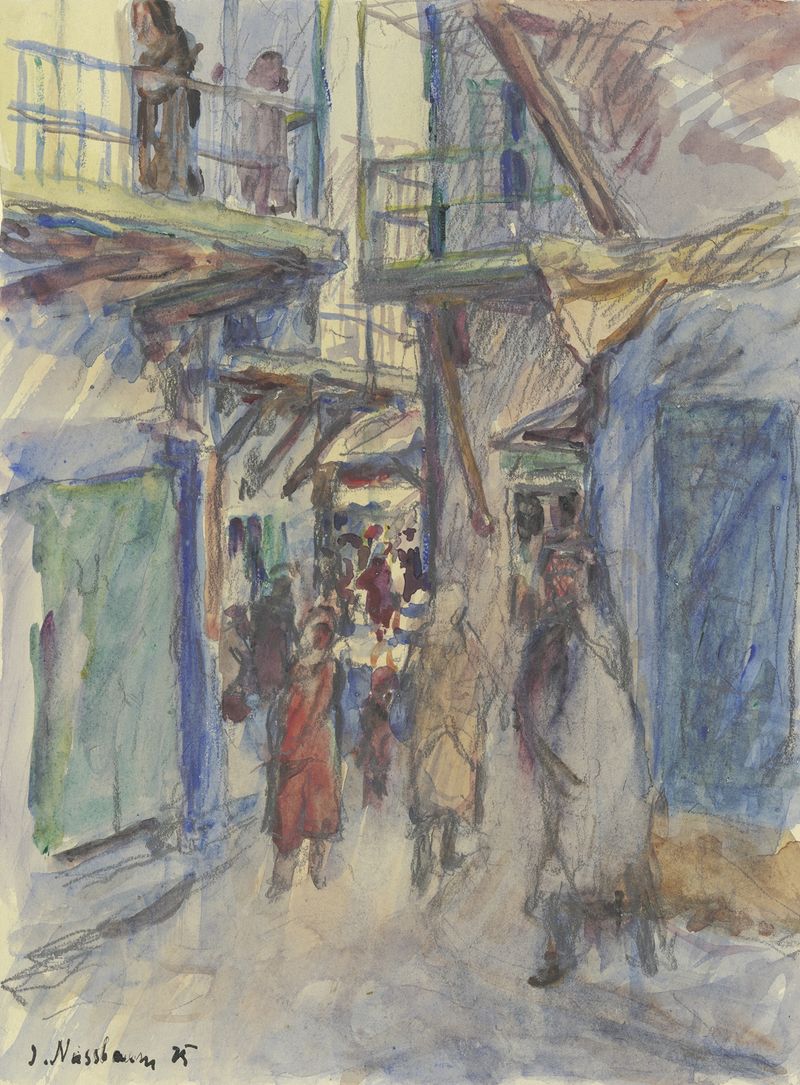
In this profound statement, we find an invitation to explore the depths of transformation that art can embody. Each brushstroke carries the weight of change, evoking a journey not just for the viewer but for the very essence of creativity itself. Start by directing your gaze to the swirling hues of ochre and green that dominate the canvas, drawing you into the rugged terrain. Notice how the artist's strokes mimic the undulating hills; they pulse with life, inviting you to traverse the mountains of Judah.
The play of light creates a dynamic contrast, bringing forth shadows that dance across the landscape, revealing hidden valleys and peaks. This interplay between brightness and shadow not only encapsulates the dramatic beauty of the region but also hints at the emotional and spiritual layers of transformation. Delve deeper into the painting, and you’ll uncover the tension between the serenity of nature and the chaos of the human experience. The jagged peaks symbolize the struggles one must face during a journey of change, while the gentle curves echo the solace found within.
This duality reflects a universal truth: transformation is often accompanied by both suffering and serenity, urging us to embrace our own metamorphosis amidst the tumult of life. In 1925, the artist created this work as part of his exploration of landscape painting while living in Europe. The post-World War I era was marked by a search for identity and meaning, as artists sought to express the profound changes in society and the self. During this tumultuous time, Jakob Nussbaum channeled his experiences into a visual narrative, using the mountains as a metaphor for the transformative journeys we all endure.