
In The Old Quarter, Sitka, 1900 — History & Facts
This reveals not just the artist's vision, but the essence of a moment captured in time—a testament to awe nestled in the everyday. Look closely at the left side of the canvas, where the warm hues of sunlit buildings dance against the cool shadows of the cobbled streets. The artist's brushwork brings life to the textures of the weathered facades, each stroke intricate yet fluid. Notice how the light spills across the scene, creating a soft glow that beckons you to explore deeper into the old quarter’s heart.
The interplay of colors draws you in, leading your gaze from the vibrant storefronts to the calm figures strolling by, each one etched with a sense of purpose and history. Beneath the surface, the painting unveils contrasts of vibrancy and stillness. The bustling life of the quarter is juxtaposed against the tranquil serenity of a world unhurried, echoing a longing for connection amid the rush of modernity. The subtle nuances—the glint in a shopkeeper's eye or the quiet contemplation of a passerby—speak to a collective narrative of lives intertwined yet distinct, reflecting the awe inherent in shared spaces. In 1900, Theodore J.
Richardson was in Sitka, capturing the essence of a small coastal town during a transformative period in American art. Influenced by the burgeoning realism movement, he sought to depict ordinary scenes with rich emotion and sincerity. This work emerged during a time when the American West was being charted not just in geography but in culture, capturing the daily lives that were often overlooked in the grand narratives of the time.
More Artworks by Theodore J. Richardson
Browse all →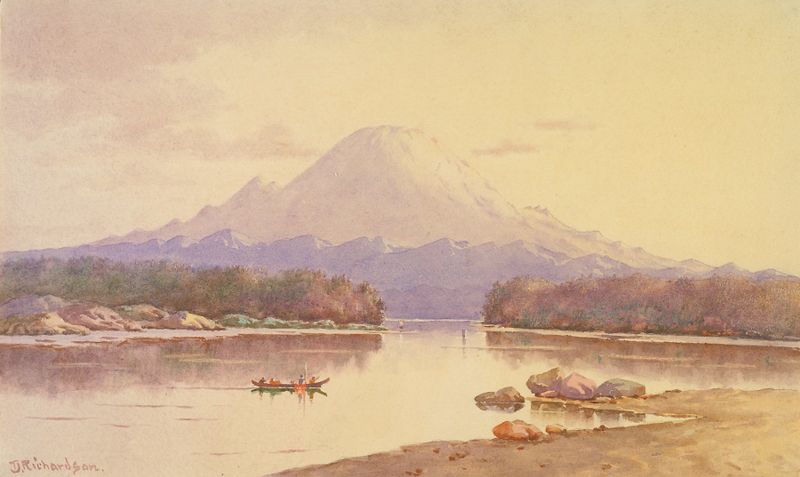
Mount Rainier
Theodore J. Richardson
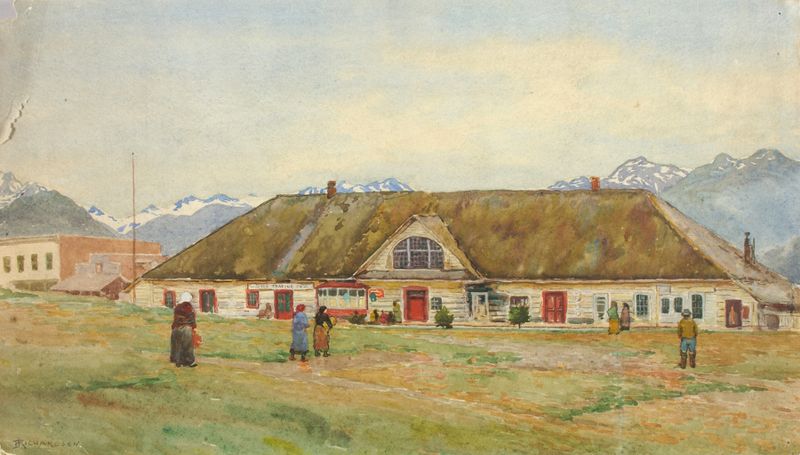
Old Russian Trading Post, Sitka
Theodore J. Richardson

The Ranch Native Village, Sitka, 1884
Theodore J. Richardson

Rear View Of Greek Church, Sitka, 1888
Theodore J. Richardson
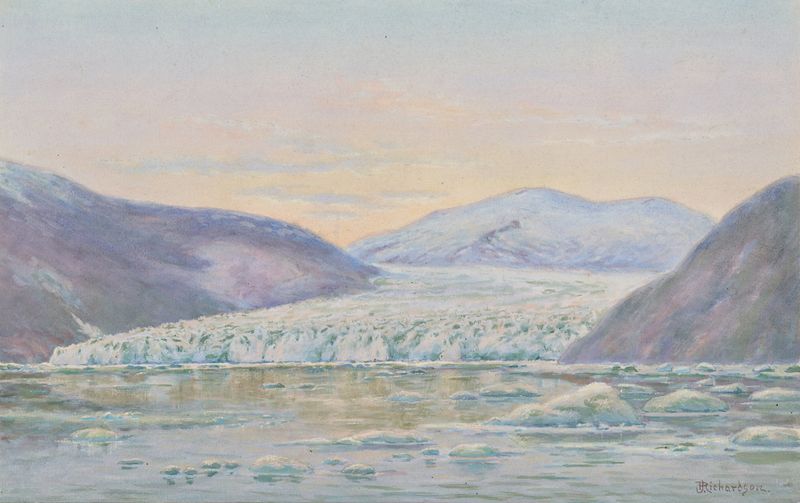
Taku Glacier, Evening
Theodore J. Richardson

St. Elias Alps
Theodore J. Richardson

Drying Blankets Over Canoes
Theodore J. Richardson
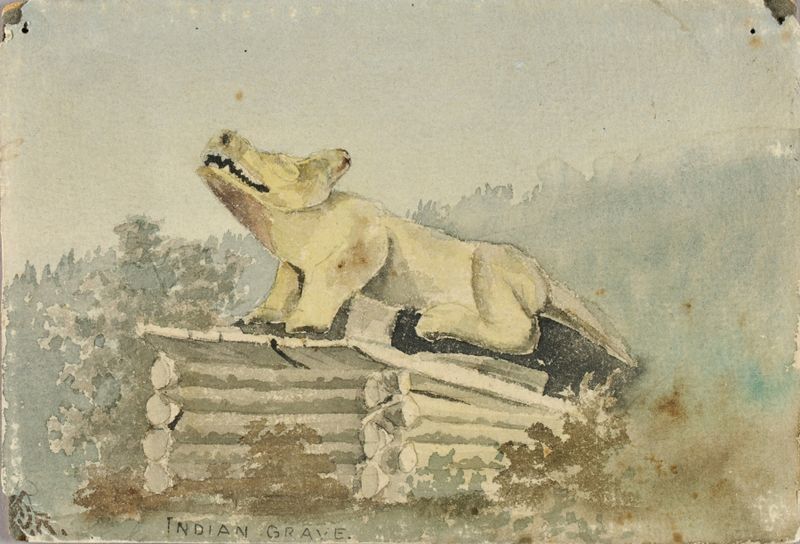
Indian Grave. Wolf Totem Over Medicine Man Grave, Wrangell
Theodore J. Richardson
Jack Mantle’s Boat
Theodore J. Richardson

Morning at Muir Glacier
Theodore J. Richardson





