
Jack Mantle’s Boat — History & Facts
In the delicate interplay of color and form, there lies a transformative power that whispers of rebirth. The act of creating, like nature itself, is a cycle where decay fuels new beginnings. To appreciate this piece, look first to the vibrant strokes that breathe life into the canvas. The boat, positioned centrally, is a study in contrasts—its rough, weathered texture juxtaposed against the soft, shimmering water.
Notice how the light dances upon the surface, mimicking the gentle ripples of the waves. The palette, with its deep blues and warm earth tones, evokes a sense of nostalgia and longing, capturing both the weight of the past and the promise of new horizons. Delve deeper, and you’ll uncover the emotional tension woven into every thread of the painting. The boat, a vessel of journeys untaken, symbolizes hope and the potential for change, while the surrounding landscape hints at the passage of time.
There’s a subtle contrast between the solidity of the boat and the fluidity of the water, a reminder that even the sturdiest of structures are subject to the whims of nature. It is in these small details—perhaps a forlorn fishing net or a distant shoreline—that the narrative of rebirth takes shape. In the 19th century, Richardson painted this piece during a period marked by shifting artistic movements and the burgeoning influence of Impressionism. He was exploring the themes of nature and humanity, grappling with the encroaching industrial age, which both threatened and inspired the landscapes of his youth.
The work reflects a time of introspection, where the artist sought to connect with the past while embracing the possibilities of the future.
More Artworks by Theodore J. Richardson
Browse all →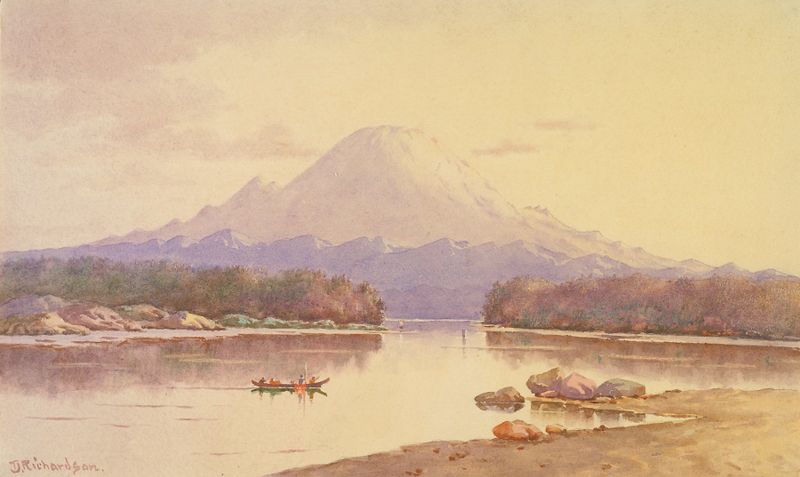
Mount Rainier
Theodore J. Richardson
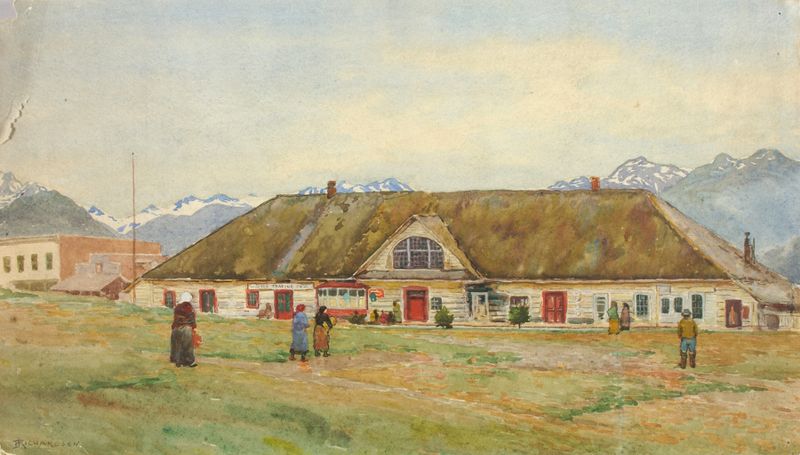
Old Russian Trading Post, Sitka
Theodore J. Richardson

The Ranch Native Village, Sitka, 1884
Theodore J. Richardson

Rear View Of Greek Church, Sitka, 1888
Theodore J. Richardson
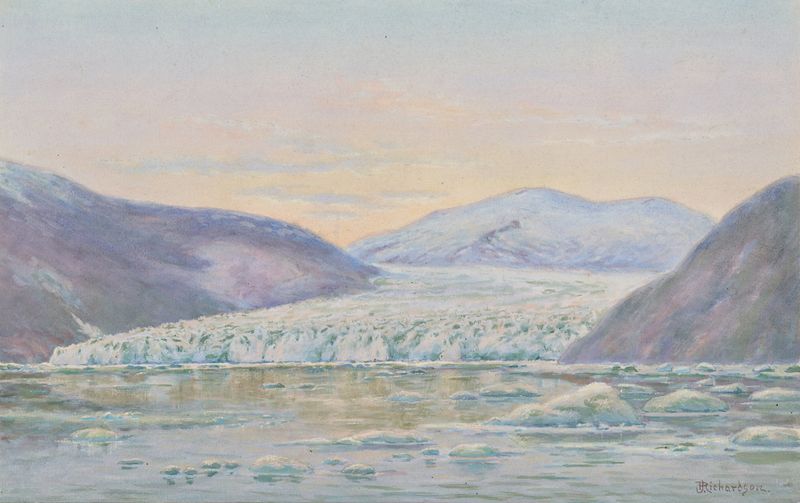
Taku Glacier, Evening
Theodore J. Richardson

St. Elias Alps
Theodore J. Richardson

Drying Blankets Over Canoes
Theodore J. Richardson

In The Old Quarter, Sitka, 1900
Theodore J. Richardson
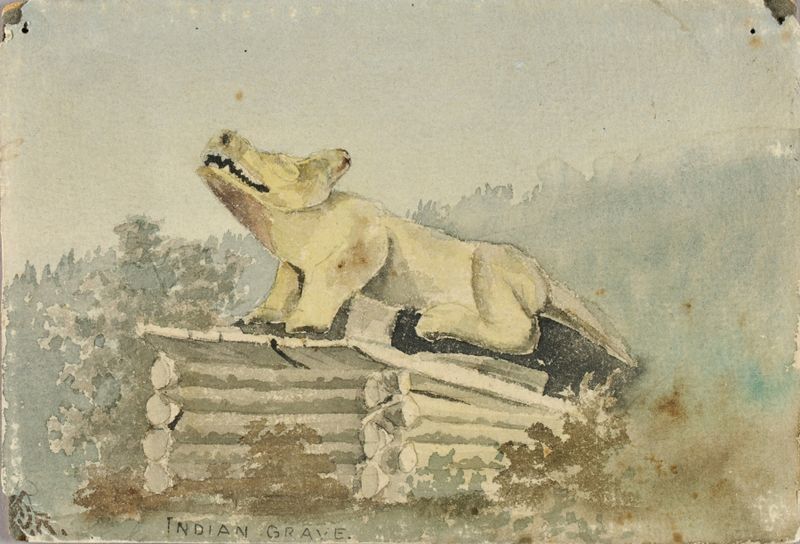
Indian Grave. Wolf Totem Over Medicine Man Grave, Wrangell
Theodore J. Richardson

Morning at Muir Glacier
Theodore J. Richardson





