
St. Elias Alps — History & Facts
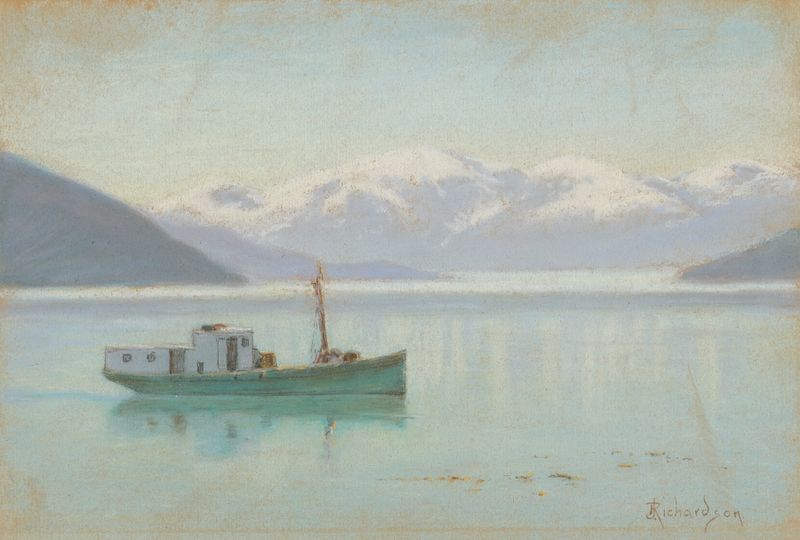
In St. Elias Alps, a haunting landscape invites viewers into a realm where nature reigns fiercely, and the silence of the mountains speaks volumes about the human obsession with beauty and solitude. Look to the right at the rugged peaks, their craggy outlines rendered with meticulous brushwork that captures the essence of the wilderness. The palette is a symphony of deep greens and grays, interspersed with hints of white snow, evoking both majesty and isolation.
The composition draws your eye along the winding path leading into the heart of the mountains, suggesting a journey—both physical and introspective. Light cascades in soft washes, illuminating certain areas while leaving others shrouded in shadow, creating a palpable tension that mirrors the inner struggles one may face in the pursuit of enlightenment. The artist’s choice of scale is profound; the towering Alps dwarf any human presence, reinforcing a contrast between man’s ambitions and nature’s grandeur. Small details emerge like whispers—perhaps a lone tree bent against the wind, representing resilience amid adversity, or a faint hint of a path, beckoning the viewer to explore the depths of both the landscape and their own psyche.
These elements reflect a preoccupation with the sublime, highlighting how obsession with nature often leads to profound moments of contemplation. In the 19th century, Richardson created this piece while navigating the burgeoning Romantic movement, which celebrated nature’s power and beauty. Working in an era rife with industrialization and societal change, he found solace in the untouched landscapes of the Alps, seeking to capture their intricacies and engage the viewer in a dialogue about the human soul’s connection to the natural world. His work resonates with a longing for purity, a desire to escape the cacophony of modern life.
More Artworks by Theodore J. Richardson
Browse all →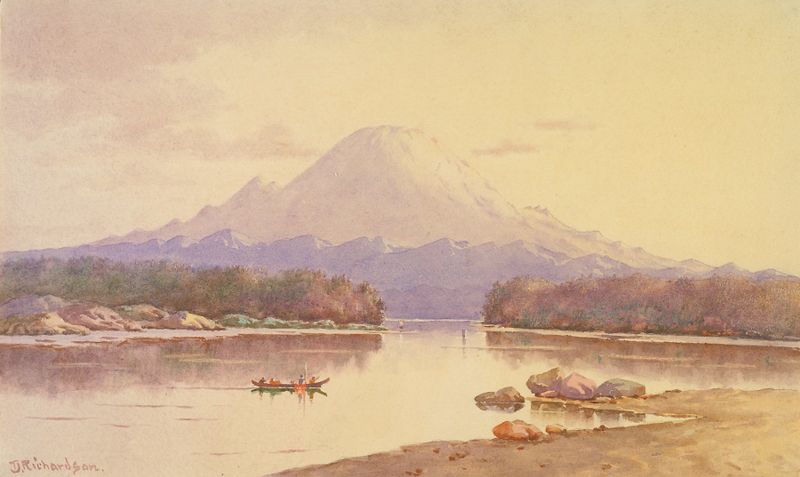
Mount Rainier
Theodore J. Richardson
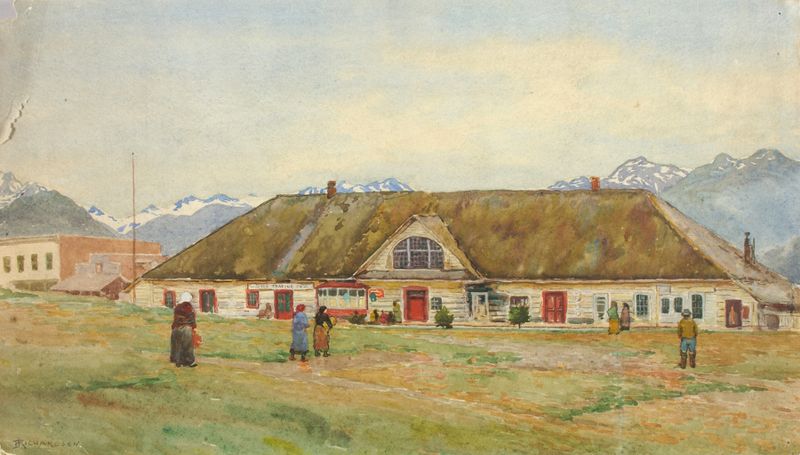
Old Russian Trading Post, Sitka
Theodore J. Richardson

The Ranch Native Village, Sitka, 1884
Theodore J. Richardson

Rear View Of Greek Church, Sitka, 1888
Theodore J. Richardson
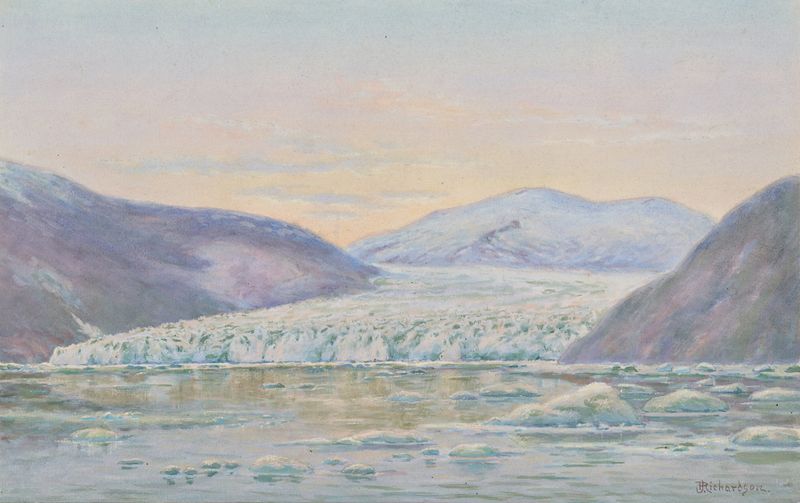
Taku Glacier, Evening
Theodore J. Richardson

Drying Blankets Over Canoes
Theodore J. Richardson

In The Old Quarter, Sitka, 1900
Theodore J. Richardson
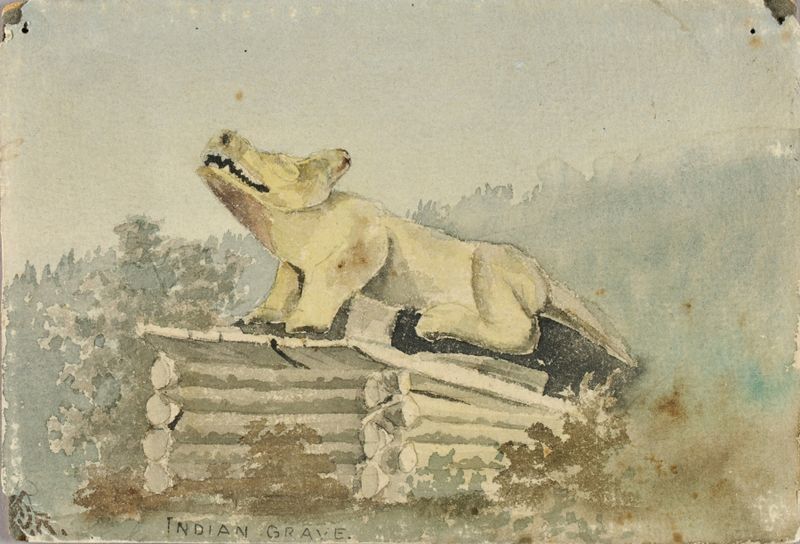
Indian Grave. Wolf Totem Over Medicine Man Grave, Wrangell
Theodore J. Richardson
Jack Mantle’s Boat
Theodore J. Richardson

Morning at Muir Glacier
Theodore J. Richardson





