
Minoritenkirche in Vienna — History & Facts
Could beauty survive in a century of chaos? In Minoritenkirche in Vienna, a solemn yet striking portrayal unfolds, capturing the essence of a historical moment infused with a sense of loss that lingers in the air. Look to the left at the intricate details of the church's façade, where light creates a dance of shadows across the timeworn stone. Notice how the muted palette of grays and soft browns imparts a somber tone, suggesting both resilience and fragility. The composition draws the eye upward, inviting contemplation of the towering spires that stretch towards the heavens, a poignant contrast to the grounded, solid base of the structure.
Each brushstroke hints at the stories held within these walls, whispering of history and the passage of time. Deeper reflections reveal an emotional tension between permanence and transience. The church stands as a symbol of faith amid a world on the brink of upheaval, yet the muted colors evoke a sense of melancholy, as if mourning the inevitable changes to come. The surrounding landscape feels almost desolate, amplifying the feeling of isolation amidst the grandeur of architecture.
This juxtaposition raises questions about the endurance of cultural identity in turbulent times. Ludwig Hans Fischer created this work in 1913, during a period of significant political and social unrest in Europe. Living in Vienna, he was inspired by the city’s rich architectural heritage while grappling with the impending shadows of World War I. This painting reflects not only the beauty of the Minoritenkirche but also serves as a poignant reminder of the fragility of art and culture in the face of overwhelming chaos.
More Artworks by Ludwig Hans Fischer
Browse all →
Dar el Ber, Tunis
Ludwig Hans Fischer

Die Riva schiavoni in Venedig
Ludwig Hans Fischer
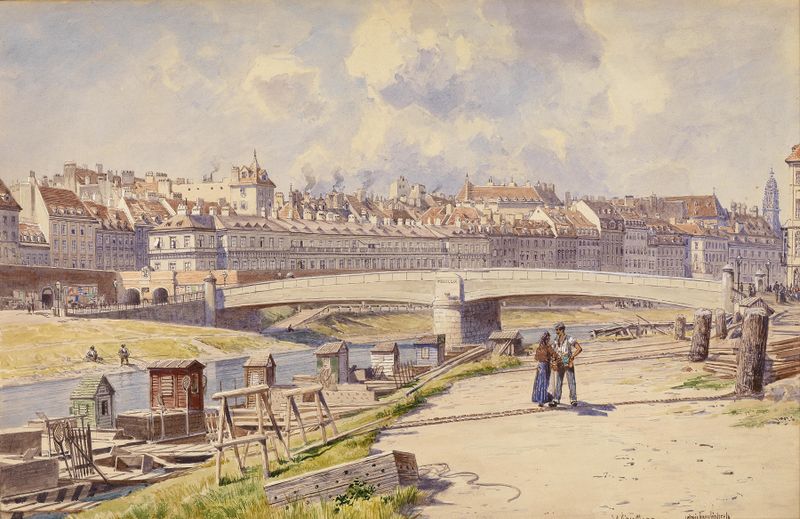
Fischerboote am Donaukanal Wien
Ludwig Hans Fischer
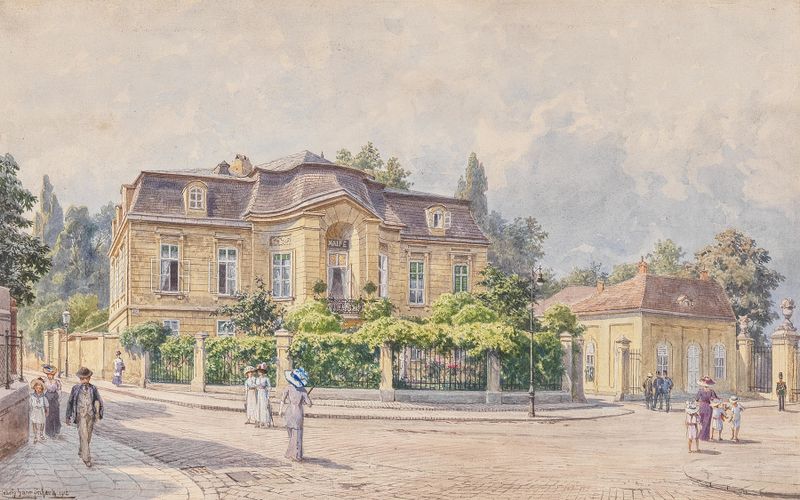
Villa am Meidlinger Tor zum Schönbrunner Schlosspark
Ludwig Hans Fischer
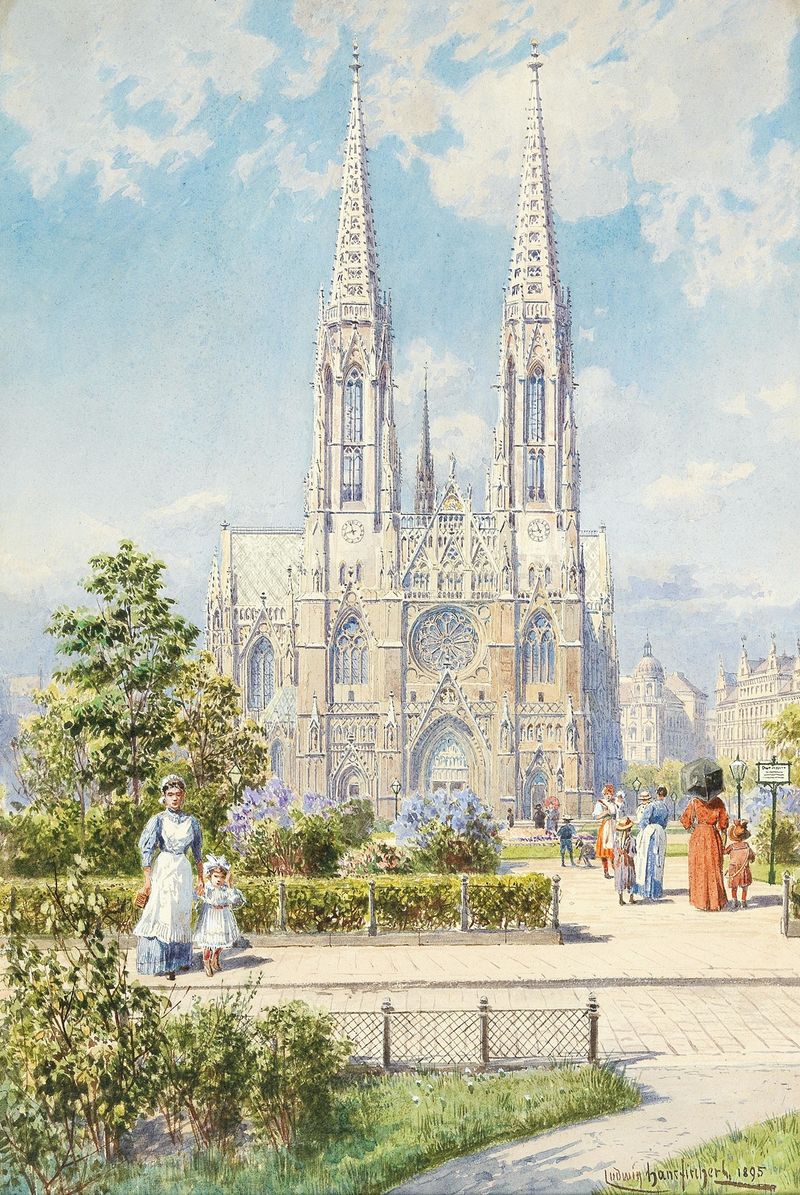
A sunny day near Votivkirche
Ludwig Hans Fischer
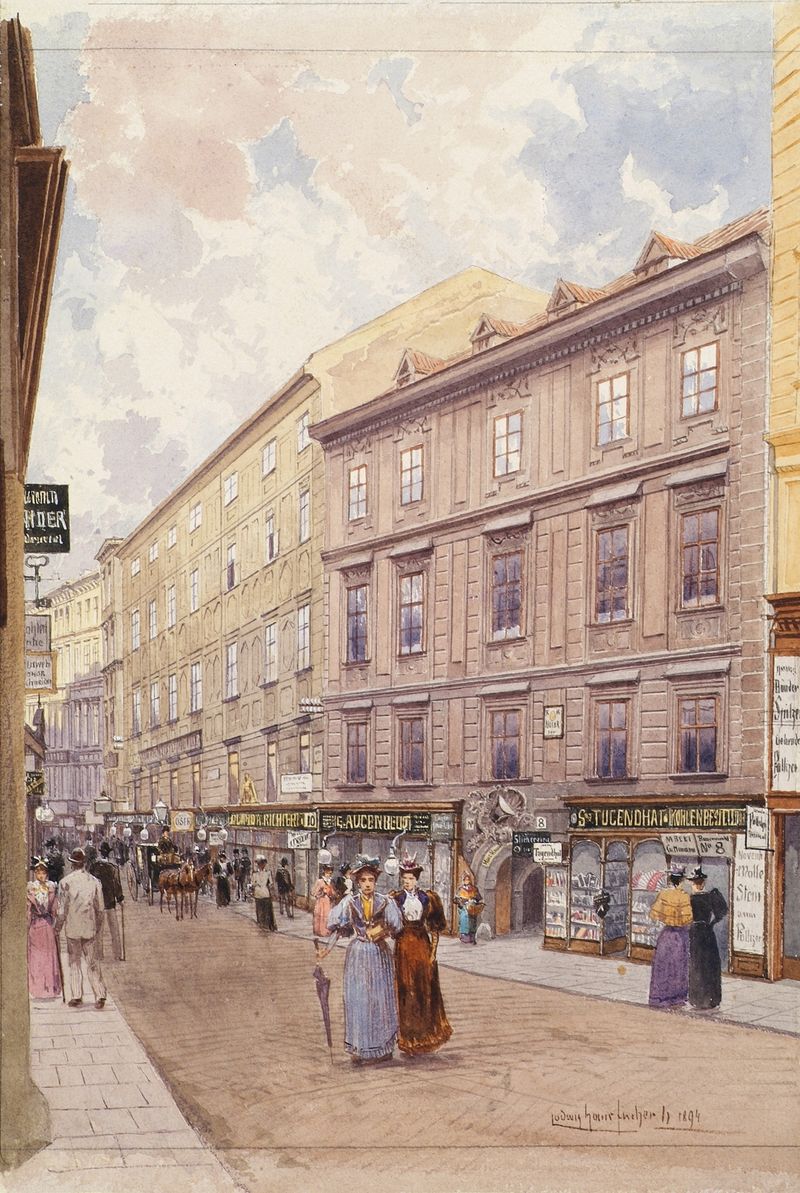
Der Bauernmarkt in Wien
Ludwig Hans Fischer
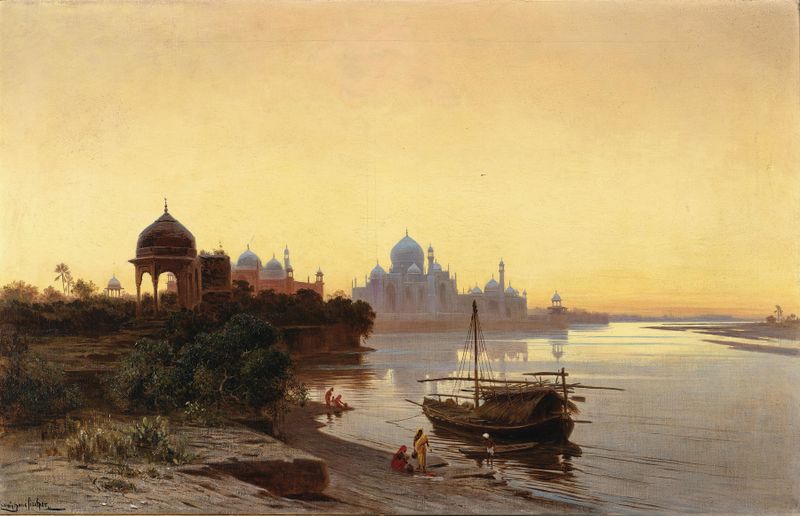
India, Taj Mahal at Dusk
Ludwig Hans Fischer

Jagdschlössl im herbstlichen Sonnenlicht
Ludwig Hans Fischer
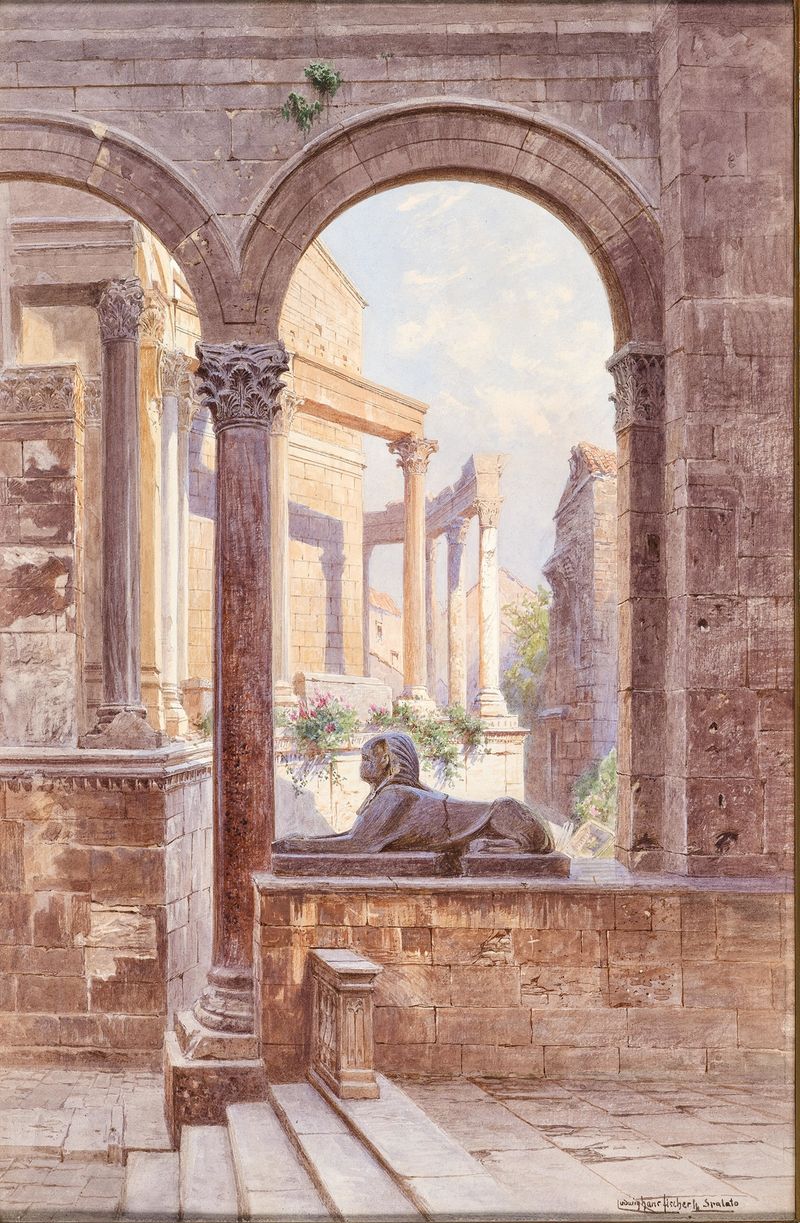
A view of Diocletian’s Palace in Split
Ludwig Hans Fischer
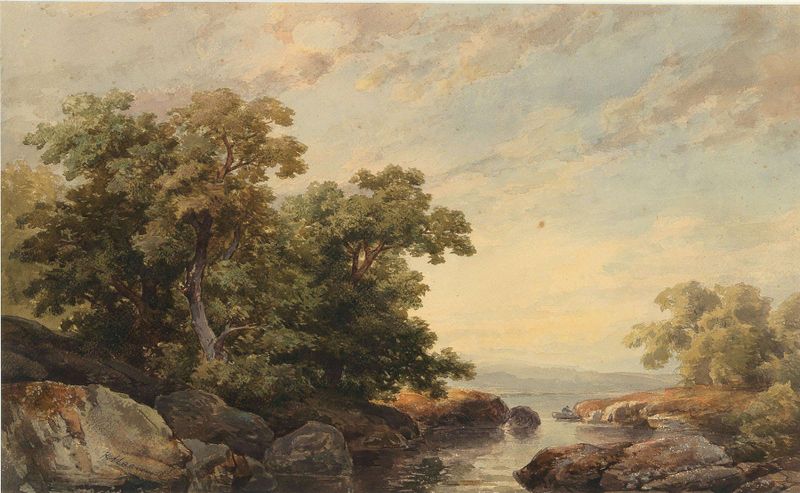
A lakeshore in the evening
Ludwig Hans Fischer
More Architecture Art
Browse all →
The statue of Liberty
Frédéric Auguste Bartholdi

View of Houses in Delft, Known as ‘The Little Street’
Johannes Vermeer

View of Houses in Delft, Known as ‘The Little Street’
Johannes Vermeer

The Cathedral in Rouen. The portal, Grey Weather
Claude Monet

The yellow house
Vincent van Gogh

The Church in Auvers-sur-Oise, View from the Chevet
Vincent van Gogh