Inkstel op geschulpt onderstel met hond — History & Facts
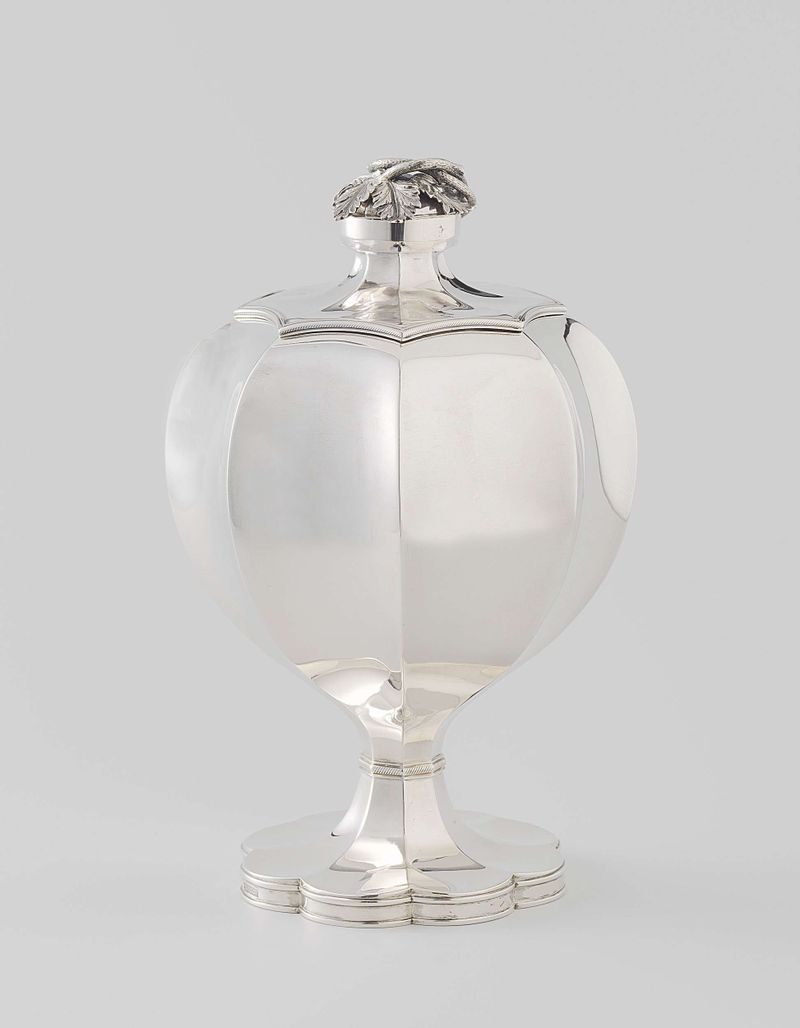
In the stillness of an artist's studio, the interplay of light and shadow unveils hidden truths, where objects whisper stories of awe and reverence. Here, the very essence of craftsmanship meets the profound simplicity of existence. Look closely at the intricate design of the inkstand, nestled atop its sculpted base. The sleek curves and the delicate details invite your gaze, drawing you into a world of elegance.
Notice how the soft, golden light caresses the polished surface, creating a dance of highlights and reflections that celebrate the artistry of the moment. The presence of a loyal dog adds a poignant touch, its gaze fixed upon the viewer, bridging the gap between the spectator and the intimate scene. Hidden within this composition are layers of meaning that beckon deeper contemplation. The juxtaposition of the inkstand’s refined beauty and the humble presence of the dog reveals a delicate balance between aspiration and companionship.
The silent dog, often a symbol of loyalty, contrasts with the inkstand’s role in capturing fleeting thoughts, hinting at the enduring nature of devotion in a world that constantly shifts and changes. In 1862, amidst a burgeoning interest in realism and craftsmanship, the creators behind this piece were likely engaged in an artistic dialogue that celebrated both utility and beauty. Based in the Netherlands, they navigated a period where the decorative arts flourished, intertwining meticulous techniques with heartfelt narratives, marking a significant chapter in their legacy.