
Inondation à Giverny — History & Facts
Could a single brushstroke hold eternity? In Inondation à Giverny, the essence of obsession seeps through every vibrant hue and rhythmic stroke, beckoning viewers to plunge into its watery depths. Look to the center of the canvas, where a riot of blues and greens swirl together, embodying the floodwaters that engulf Giverny. Notice how the artist captures the sunlight dancing upon the surface, transforming the mundane into a shimmering spectacle. The brushstrokes are both deliberate and wild, creating a sense of movement that draws your gaze across the canvas, as if you are witnessing the very moment the landscape is overwhelmed by nature’s fury. Delve deeper into the composition, where contrasting elements emerge.
On one side, the chaos of rising water threatens to overtake the familiar structures of the village, symbolizing the struggle between man and nature. Yet, among the tumult, the delicate flicker of pinks and yellows hints at hope and renewal, suggesting that even in devastation, beauty persists. This duality—destruction juxtaposed with splendor—reveals the artist's intricate relationship with Giverny, a space both cherished and threatened. Painted between 1934 and 1935, this work emerged during a time of personal and artistic introspection for its creator.
Loiseau, immersed in the Impressionist movement, sought to capture the transient qualities of light and atmosphere, striving to convey his emotional connection to the landscapes he adored. As the world outside grappled with the prelude to war, the artist found solace in nature's rhythms, channeling both his love and anxieties onto the canvas that immortalized a flooded Giverny.
More Artworks by Gustave Loiseau
Browse all →
Rue de village en Normandie
Gustave Loiseau
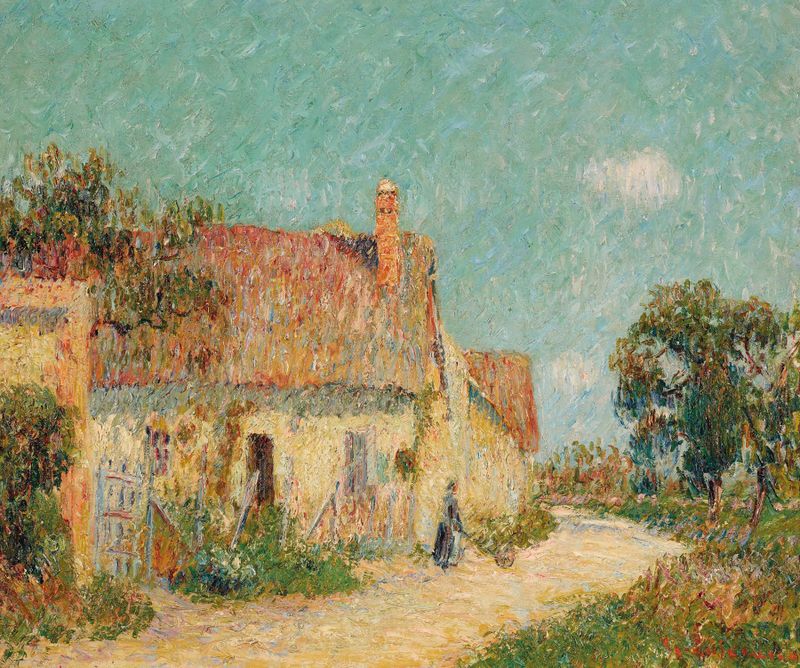
Chaumière en Normandie
Gustave Loiseau

Paysage d’Hiver à Chaponval
Gustave Loiseau
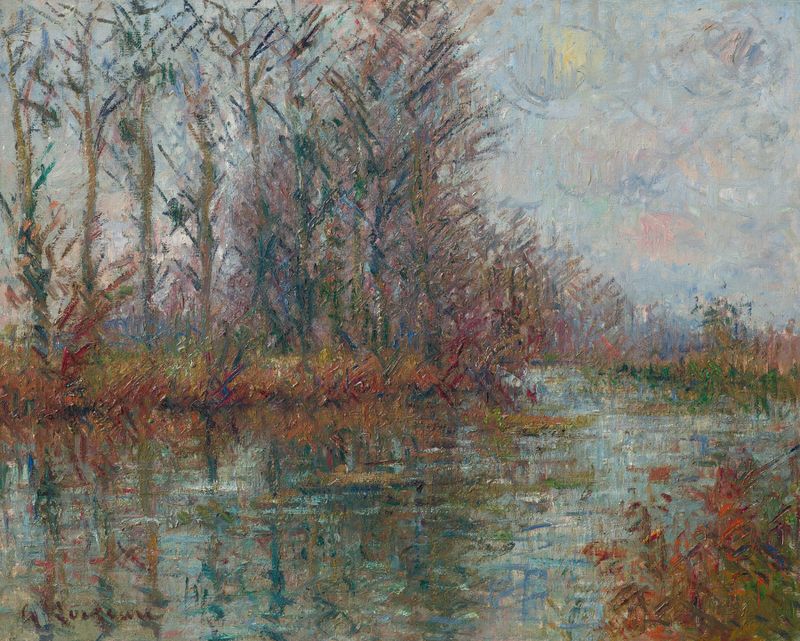
Tournant de rivière, L’Eure
Gustave Loiseau

Pont Marie, Paris
Gustave Loiseau

Le Bras De Mer
Gustave Loiseau

Le Pont Suspendu À Triel
Gustave Loiseau

Bord de la rivière
Gustave Loiseau
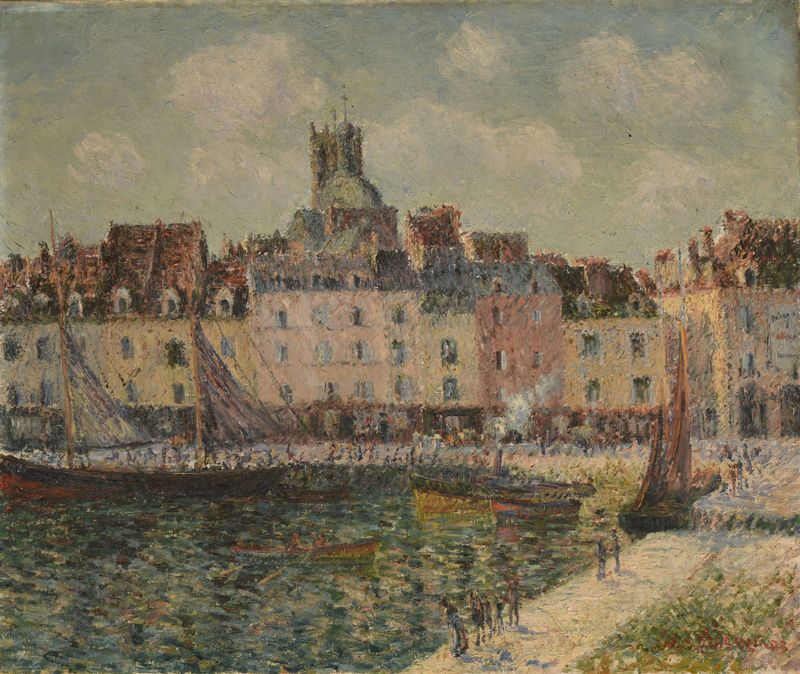
Le Quai Duquesne à Dieppe
Gustave Loiseau

Rocher la Teignouse, Cap Fréhel
Gustave Loiseau





