
Inside The Košice Dome — History & Facts
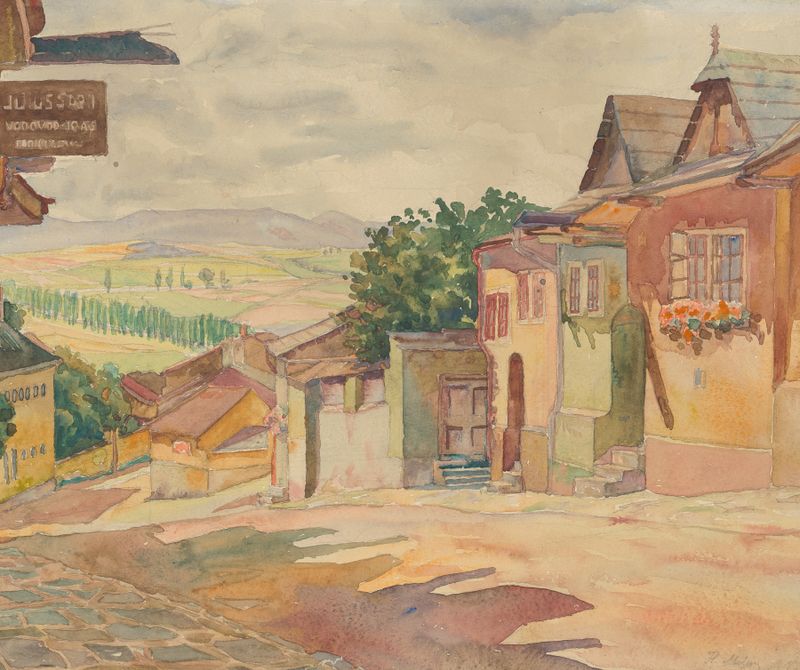
Where does light end, and longing begin? In Inside The Košice Dome, the interplay of illumination and shadow evokes a sense of reverence and wonder, drawing us into an ethereal realm. Look to the center of the composition, where the radiance spills forth from the dome’s majestic opening. The soft glow creates a halo effect, highlighting intricate architectural details while casting delicate shadows that dance across the surface. Notice how the warm hues of gold and amber contrast with the deep blues and grays of the surrounding elements, suggesting a divine dialogue between the sacred space and the world beyond. The artwork encapsulates a profound emotional tension: the desire to transcend the physical and reach for the spiritual.
The interplay between light and structure not only reveals the craftsmanship but also invites introspection. Subtle figures, perhaps worshippers or seekers, are positioned at the edges, their presence amplifying the sense of yearning. This suggests that the dome, while an architectural marvel, also serves as a metaphor for the human quest for meaning and connection. Florián Milan painted Inside The Košice Dome during a period of great artistic innovation in Central Europe, embracing modernist tendencies while remaining rooted in tradition.
Between 1910 and 1930, the artist navigated personal challenges and the sociopolitical upheavals of his time. In the wake of World War I, artists sought to capture the dissonance of modern life, showcasing both the beauty and fragility of existence through their work.
More Artworks by Florián Milan
Browse all →

More Architecture Art
Browse all →
The statue of Liberty
Frédéric Auguste Bartholdi

View of Houses in Delft, Known as ‘The Little Street’
Johannes Vermeer

View of Houses in Delft, Known as ‘The Little Street’
Johannes Vermeer

The Cathedral in Rouen. The portal, Grey Weather
Claude Monet

The yellow house
Vincent van Gogh

The Church in Auvers-sur-Oise, View from the Chevet
Vincent van Gogh