Miklušova väznica — History & Facts
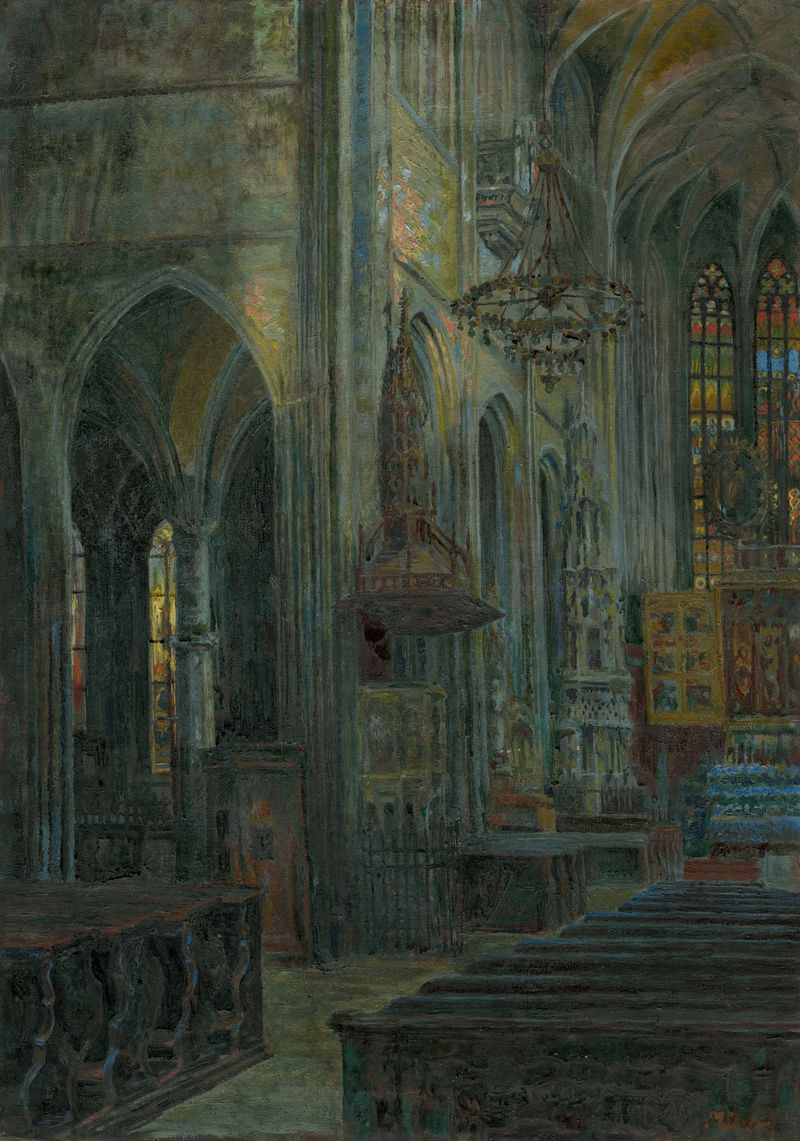
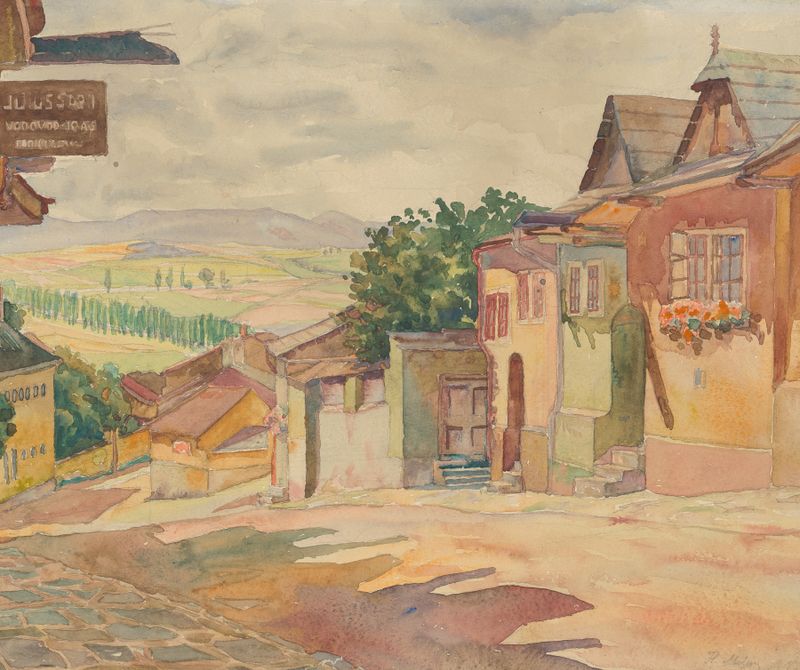
Is this a mirror — or a memory? The reflection of a lonely prison cell speaks volumes, inviting contemplation of both despair and unexpected hope. Look to the left, where shadows dance upon the cold, stone walls, their muted tones of gray contrasting starkly with shimmering glimpses of light that filter through a barred window. Notice how the artist employs a palette of earthy hues, emphasizing both the somber reality of confinement and the glimmers of brightness that suggest the possibility of escape. The composition draws the eye towards the center, where the slight play of light creates an ethereal quality, almost as if the viewer is peering into a space that transcends time. Hidden meanings emerge from the delicate interplay between light and dark.
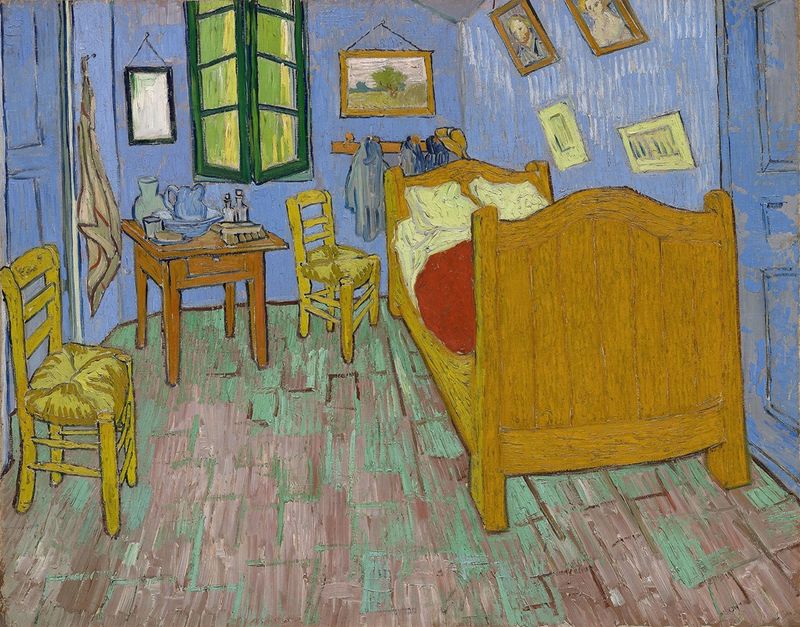
The sparse furnishings—an empty bed and a small table—evoke a sense of isolation, yet the brilliance of the sunlight insinuates a momentary refuge. Each brushstroke whispers tales of those who have inhabited this space, their hopes and fears lingering in the air like echoes. The prison cell becomes a symbol of endurance, a reminder that even in the darkest places, hope can find a way to break through. Created between 1910 and 1925, the artist painted this work during a time of significant change in Central Europe, following the tumultuous events of World War I.
Florián Milan was deeply influenced by the socio-political landscape of his time, using his art to explore the human condition. This piece reflects both personal and collective struggles, capturing a poignant moment in history while inviting viewers to reflect on the nature of confinement and the enduring spirit of hope.