
Inside View of Tintern Abbey looking from the Nave to the East Window — History & Facts
In the void of silence and shadow, a sanctuary stands, inviting contemplation and introspection. The walls embrace the weight of history while hinting at the ethereal beauty that lingers in the space between memory and reality. Look to the upper regions of the painting, where the east window looms—a majestic arch framing delicate light filtering through stained glass. The interplay of muted earth tones and soft light creates an atmosphere that feels both serene and somber.
Notice how the nave stretches out before you, leading the eye toward the distant altar. The meticulous brushwork reveals textures of stone and wood, while subtle highlights suggest an almost divine presence hovering within this sacred space. Beneath the grandeur, there’s an emotional juxtaposition of reverence and abandonment. The warm hues of the window contrast with the cooler shadows of the nave, hinting at lost voices and the passage of time.
Each stone seems to whisper tales of prayers and longing, while the void left by absence underscores the profound yearning for connection and understanding. Created in a period of transformation for both the artist and the art world, this work reflects Sunderland’s deep engagement with the Romantic movement, capturing the essence of nature and spirituality. Though specific details about its creation remain elusive, it likely emerged amidst the 19th-century fascination with the sublime and the exploration of landscapes imbued with historical significance.
More Artworks by Thomas Sunderland
Browse all →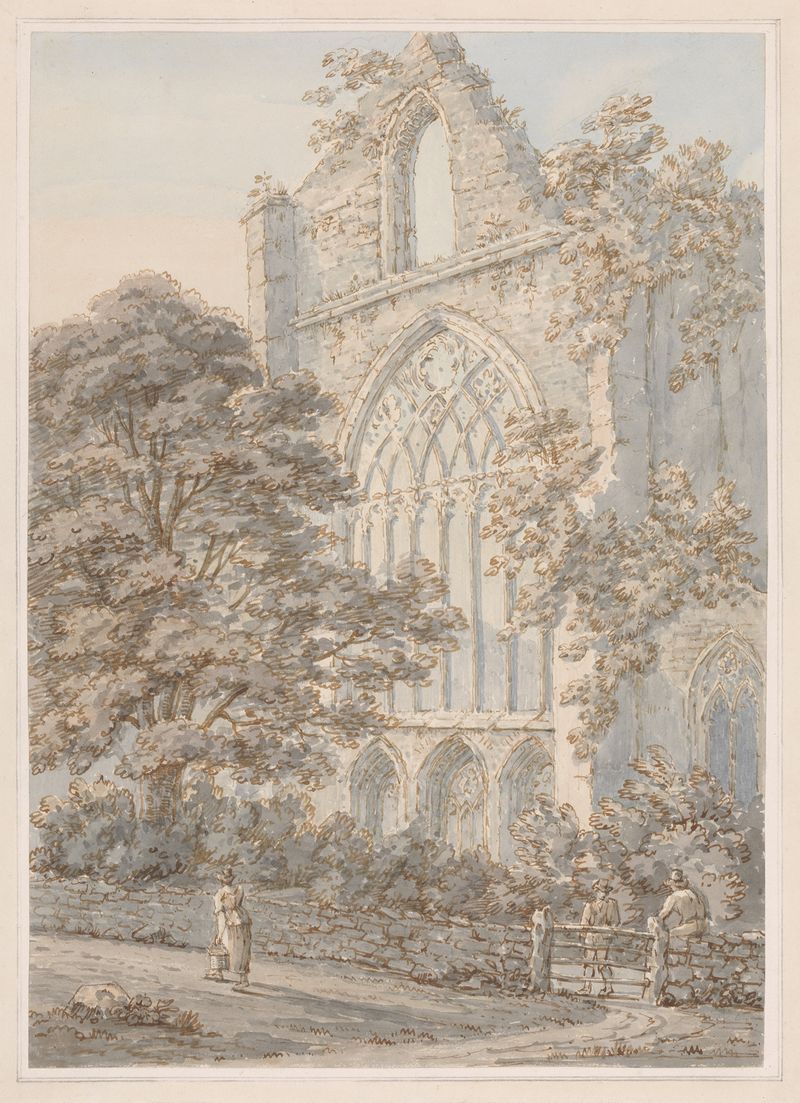
More Architecture Art
Browse all →
The statue of Liberty
Frédéric Auguste Bartholdi

View of Houses in Delft, Known as ‘The Little Street’
Johannes Vermeer

View of Houses in Delft, Known as ‘The Little Street’
Johannes Vermeer

The Cathedral in Rouen. The portal, Grey Weather
Claude Monet

The yellow house
Vincent van Gogh

The Church in Auvers-sur-Oise, View from the Chevet
Vincent van Gogh