Interior of Lancaster House — History & Facts
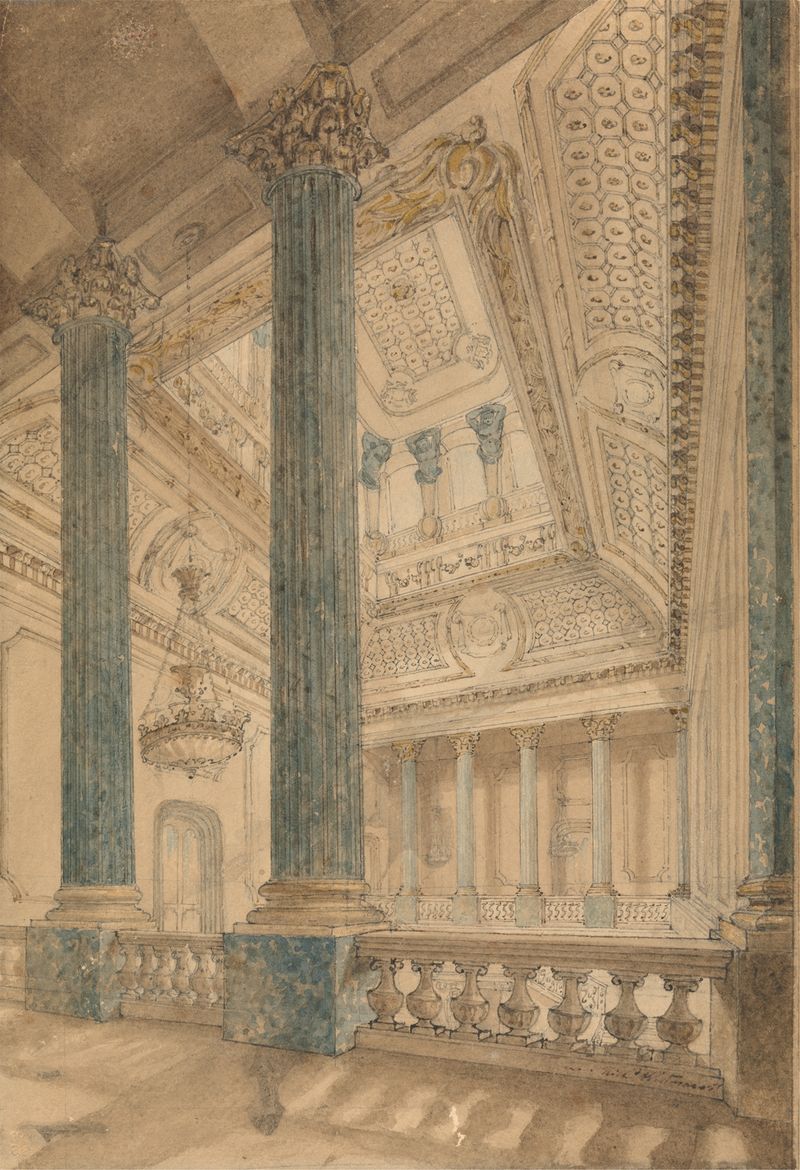
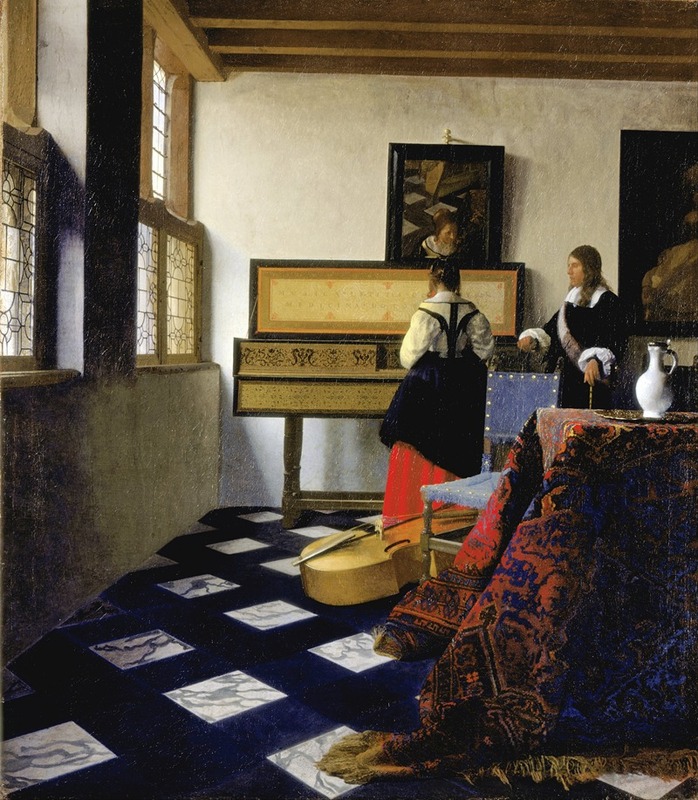
What if silence could speak through light? In the stillness of Interior of Lancaster House, the essence of movement is captured — a gentle whisper of elegance and grandeur that transcends time. Look to the left at the delicate interplay of shadows and light filtering through the ornate windows, illuminating the intricate details of the room. The soft hues of cream and gold wash over the polished surfaces, while the rich textures of the furnishings seem to beckon the viewer closer. Every element, from the carefully arranged floral displays to the stately architectural features, draws the eye, inviting a deeper exploration of the scene. Yet, it is the subtle contrasts that breathe life into the space.
The rigid lines of the furniture juxtapose the fluidity of the drapery, hinting at the tension between man-made order and the natural world. Each flicker of light dances across the room, suggesting movement not just in the furnishings but in the imagination of those who once occupied this space, evoking a sense of whispered conversations and fleeting moments of elegance. Sir Richard Westmacott created this piece during a time when neoclassical architecture and design were at their peak, reflecting the opulence of the early 19th century in England. The artist, known for his sculptural works, infused this interior scene with a mastery of space and light, capturing the essence of a society that valued both artistry and refinement amidst the shifting currents of the Romantic movement in art.