
Islet in the Snow — History & Facts
Could beauty survive in a century of chaos? In Islet in the Snow, a tranquil moment emerges, suspended amid the tumult of history. Look to the center of the composition, where a solitary islet rises from the icy expanse, its delicate contours framed by soft, falling snowflakes. Notice how the pale blues and whites harmonize, creating a serene contrast against the subtle warmth of the barely visible land that surrounds it. The gentle brushwork evokes a sense of stillness, as if time has paused just for this scene, inviting viewers to take a breath and embrace the quiet. Yet, beneath this calm surface lies a poignant tension.
The simplicity of the islet, so vividly beautiful, hints at a fragile survival against a backdrop of harsh elements—a metaphor for resilience amid societal upheaval. Each flake of snow carries the weight of change, whispering stories of transformation and the inevitability of revolution. In this moment, nature's unyielding beauty stands defiant, a reminder that even in chaos, peace can still exist. In the 19th century, Utagawa Hiroshige painted this piece during a time when Japan was grappling with internal strife and rapid modernization.
The Edo period was nearing its end, characterized by political unrest and cultural shifts. This artwork reflects not only the natural beauty of Japan but also the deeper currents of change and uncertainty that shaped Hiroshige's world. His work emerges as a testament to the enduring power of art in capturing fleeting moments of peace amidst chaos.
More Artworks by Utagawa Hiroshige
Browse all →
Sudden Shower over Shin Ohashi Bridge and Atake (Ohashi Atake no yudachi), from the series "One Hundred Famous Views of Edo (Meisho Edo hyakkei)"
Utagawa Hiroshige
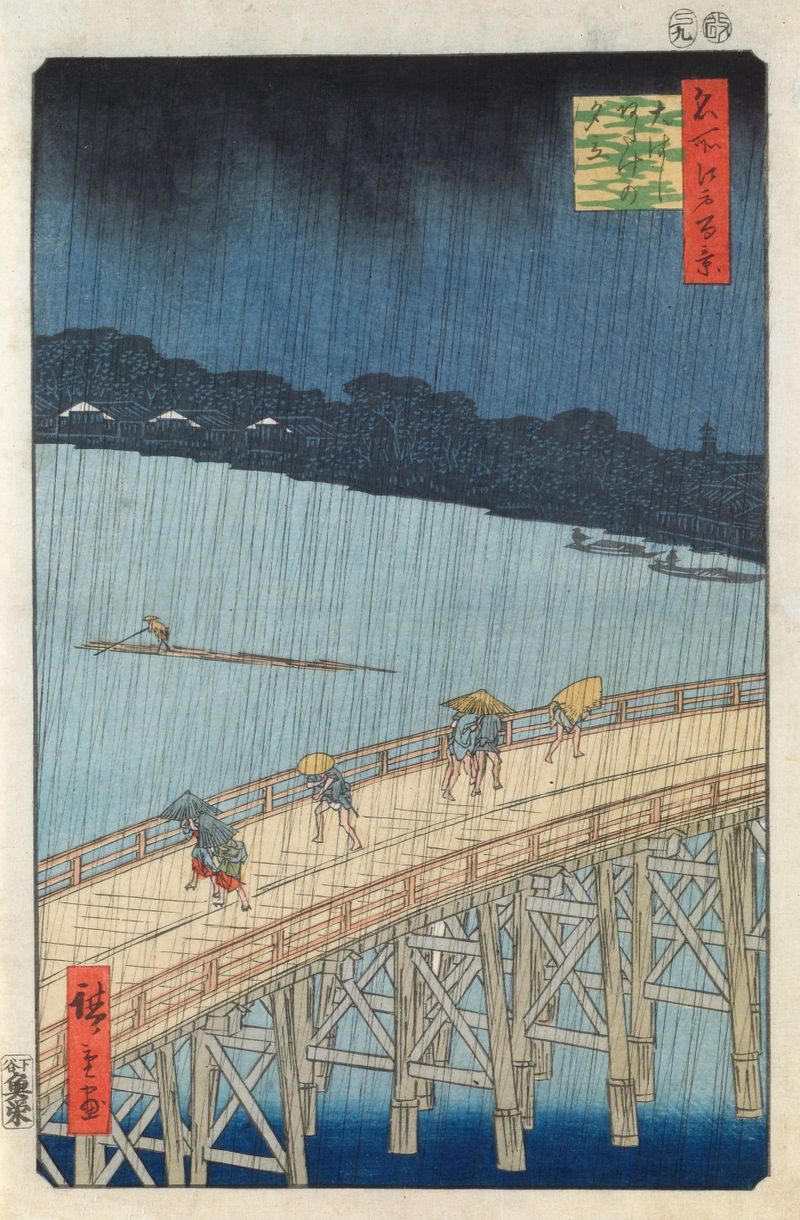
Sudden Shower Over Ohashi Bridge and Atake
Utagawa Hiroshige
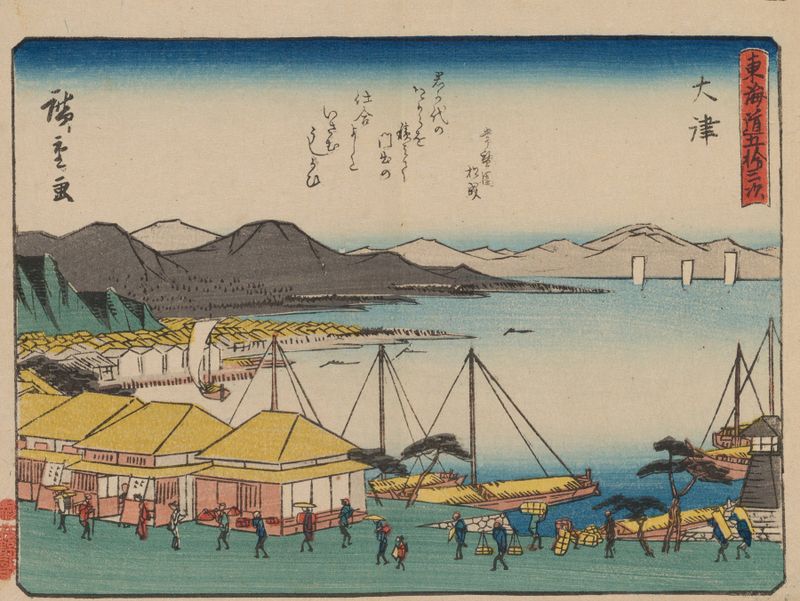
Tokaido gojusantsugi, Pl.54
Utagawa Hiroshige
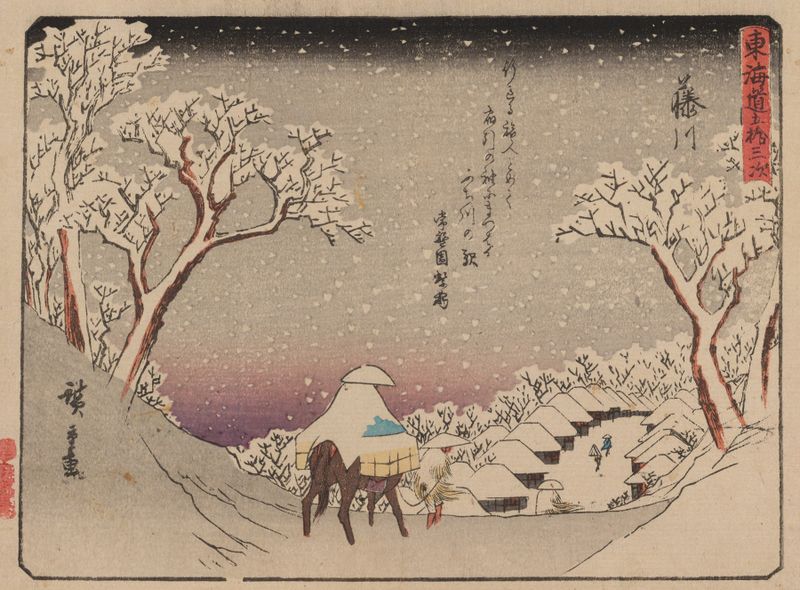
Tokaido gojusantsugi, Pl.38
Utagawa Hiroshige
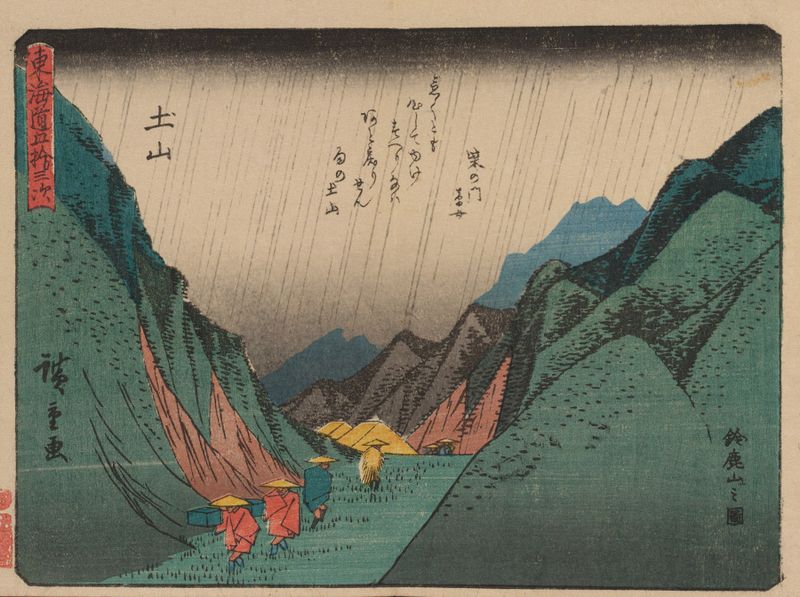
Tokaido gojusantsugi, Pl.50
Utagawa Hiroshige
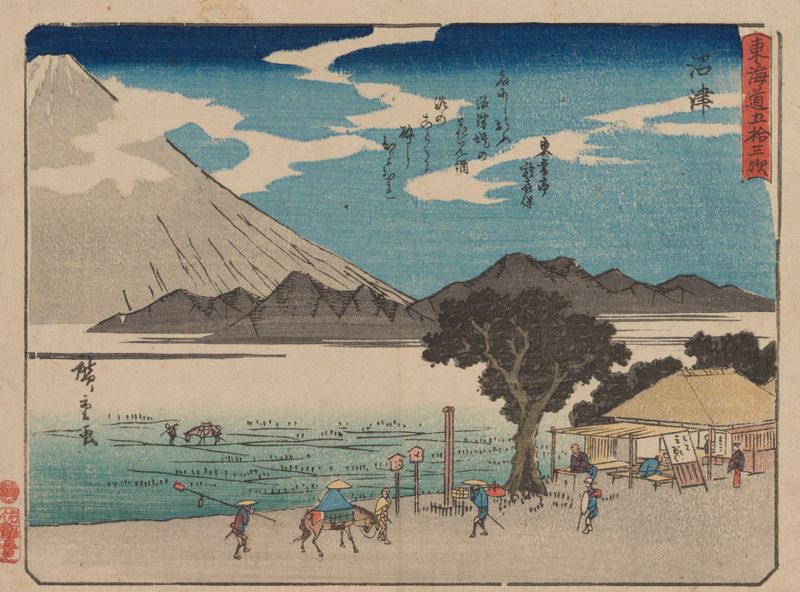
Tokaido gojusantsugi, Pl.13
Utagawa Hiroshige
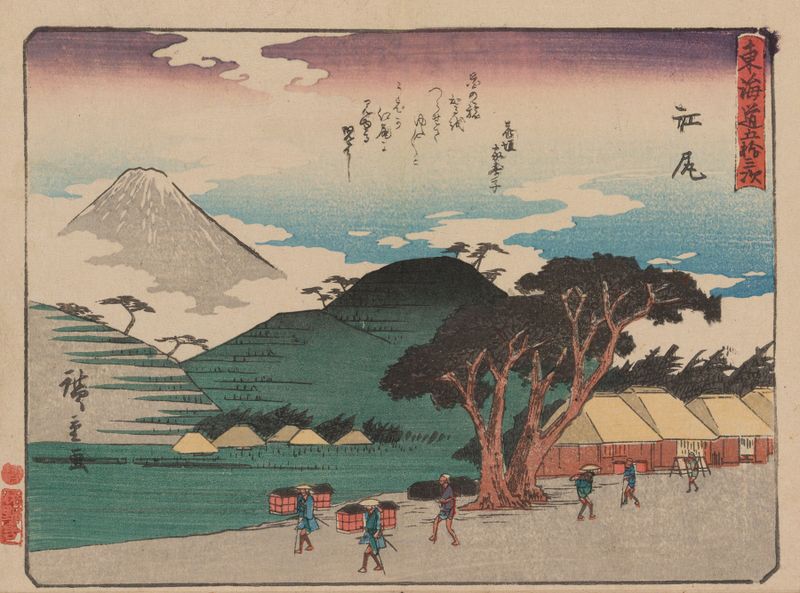
Tokaido gojusantsugi, Pl.19
Utagawa Hiroshige
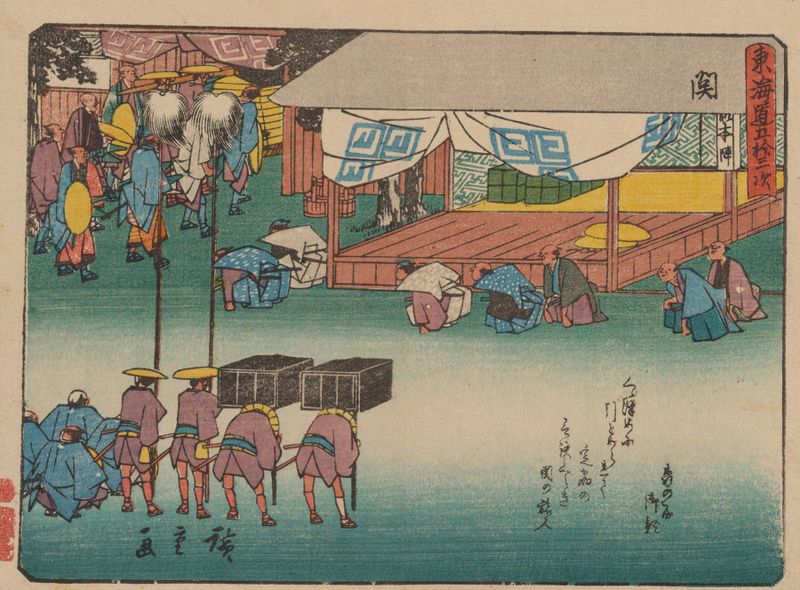
Tokaido gojusantsugi, Pl.48
Utagawa Hiroshige
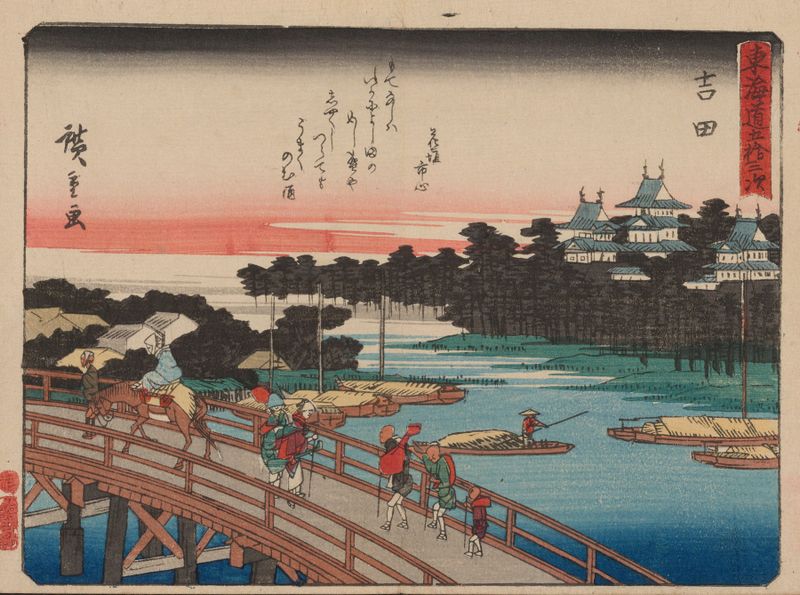
Tokaido gojusantsugi, Pl.35
Utagawa Hiroshige
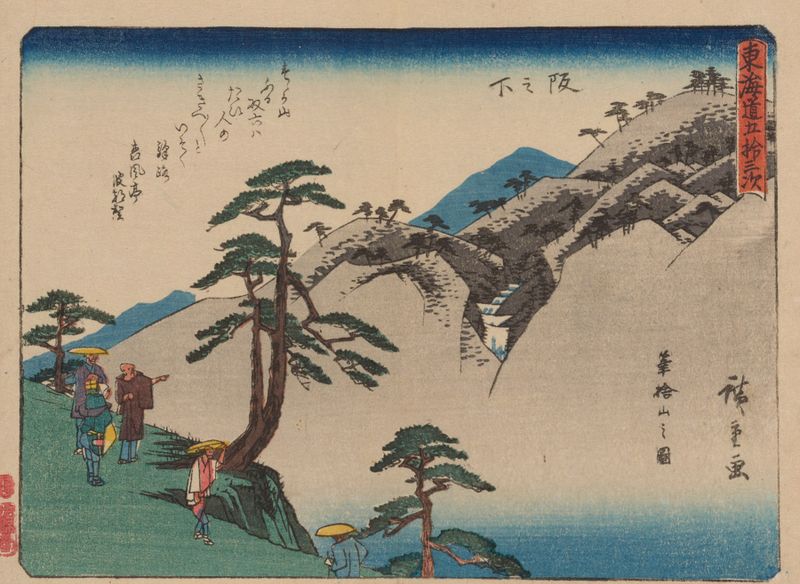
Tokaido gojusantsugi, Pl.49
Utagawa Hiroshige





