
Isshinji, temple of the tea house with eight windows — History & Facts
Can paint confess what words never could? In Isshinji, temple of the tea house with eight windows, the interplay of shadow and light became a silent testament to the emotions and stories that dwell in the spaces of our lives. Each stroke reveals a narrative that echoes beyond the canvas, inviting contemplation in its tranquil embrace. Look to the center, where the tea house stands, framed by the elongated shadows of the surrounding trees. The delicate interplay of muted greens and warm browns establishes a serene atmosphere, while the windows, like eyes, seem to watch over the scene.
Notice how the artist employs a layered technique, creating depth that draws the viewer’s gaze inwards, inviting you to explore the stillness within. The soft yet striking contrast of light illuminating the space evokes a sense of calm, invoking a reflective pause. Beneath this serene exterior lies a profound exploration of solitude and connection. The shadows cast by the tea house hint at unseen presences, stirring questions about the nature of companionship in solitude.
Each window, a portal to the world outside, contrasts the inner world of the tea house, revealing the tension between isolation and the longing for connection. The painting whispers an ancient wisdom—that in silence and shadow, we often find our truest selves. Created in 1947, during a period of post-war recovery in Japan, Akamatsu Rinsaku captured the essence of resilience and introspection in his work. The aftermath of conflict led many artists to seek solace in themes of nature and tranquility.
This piece reflects not only a personal narrative but also the broader cultural shift towards contemplation and peace, resonating deeply with a nation in search of renewal.
More Artworks by Akamatsu Rinsaku
Browse all →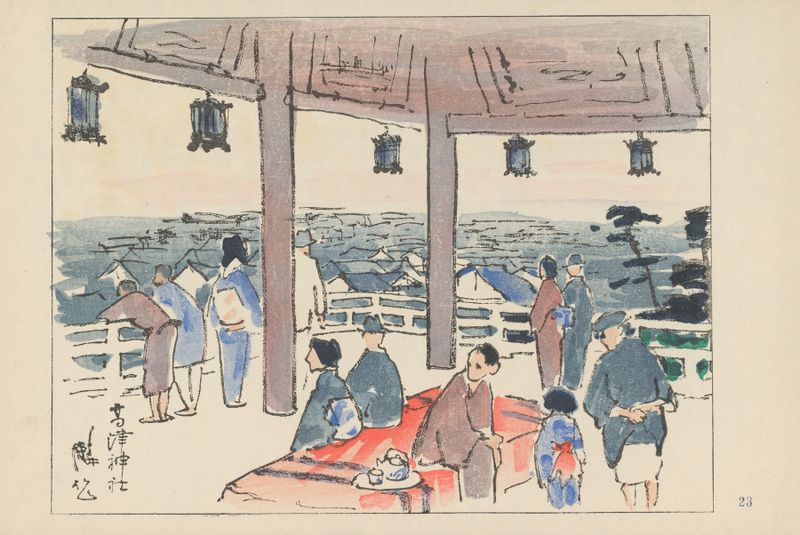
Kozu shrine dedicated to Nintoku Emperor
Akamatsu Rinsaku
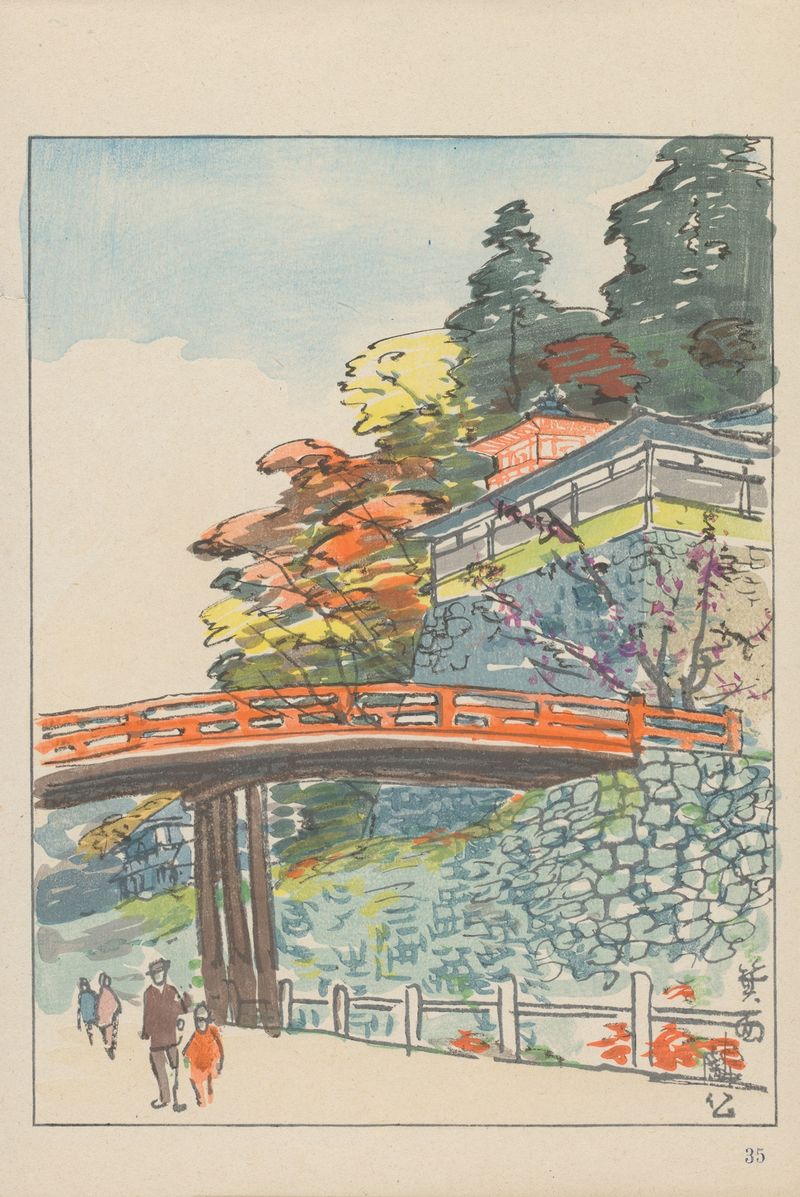
Minoo, National Park
Akamatsu Rinsaku
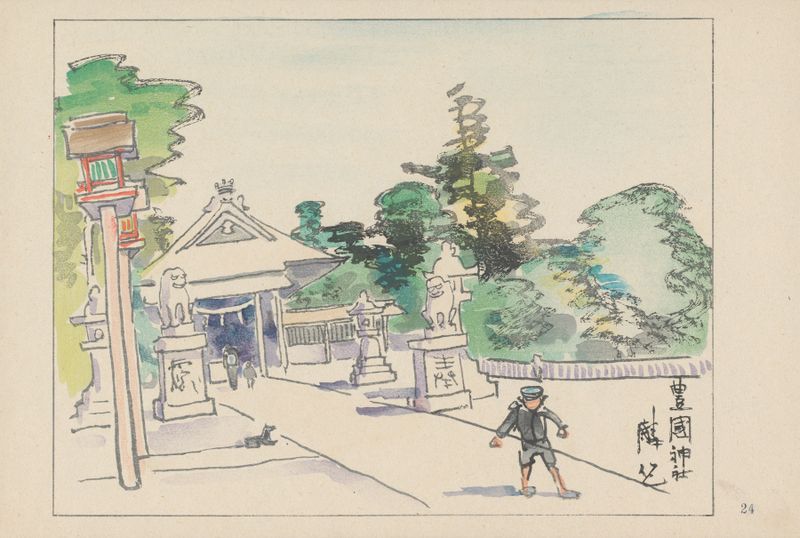
Toyokuni shrine dedicated to Toyotomi Hideyoshi
Akamatsu Rinsaku

Tsumura betsuin, the agency of Nishi-honganji
Akamatsu Rinsaku
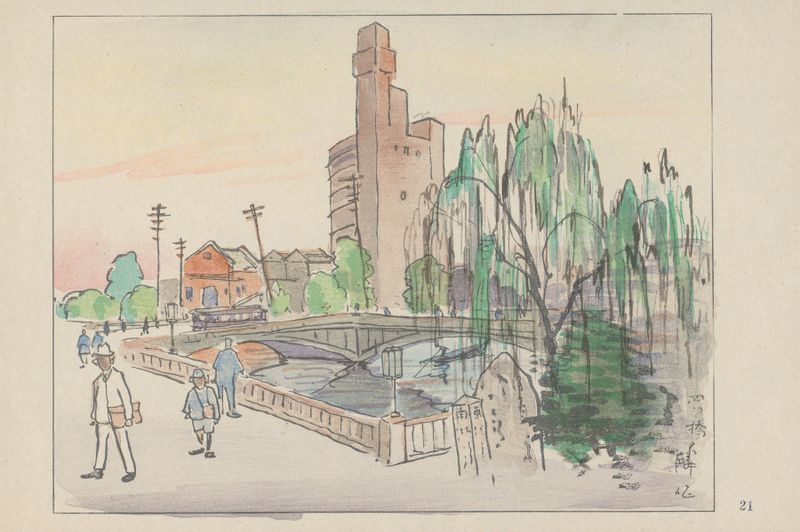
Yotsubashi, four joint bridges
Akamatsu Rinsaku
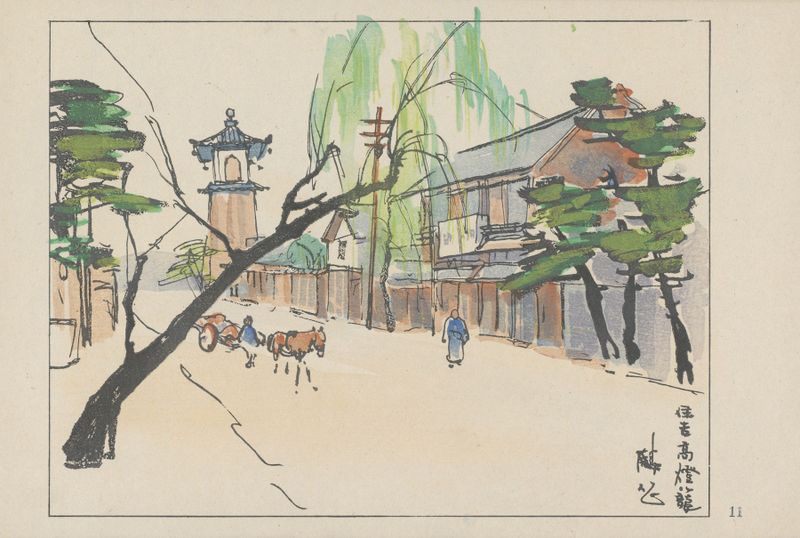
The high lanton at Sumiyoshi, a light house in older time
Akamatsu Rinsaku
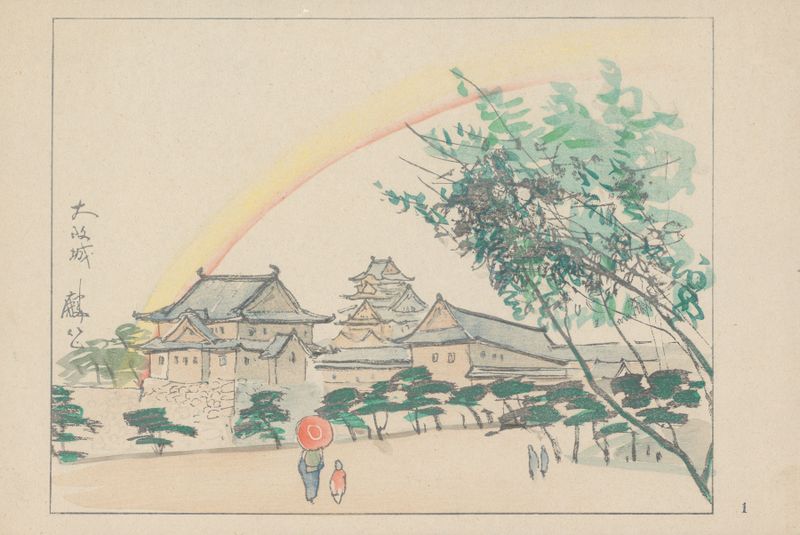
Osaka Castle, built by Toyotomi Hideyoshi in 1585 A.D
Akamatsu Rinsaku
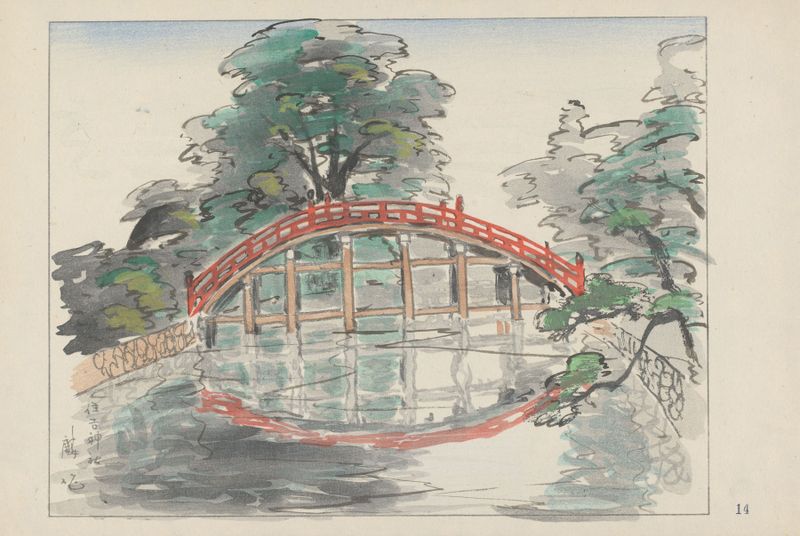
Sumiyoshi Shinto shrine
Akamatsu Rinsaku
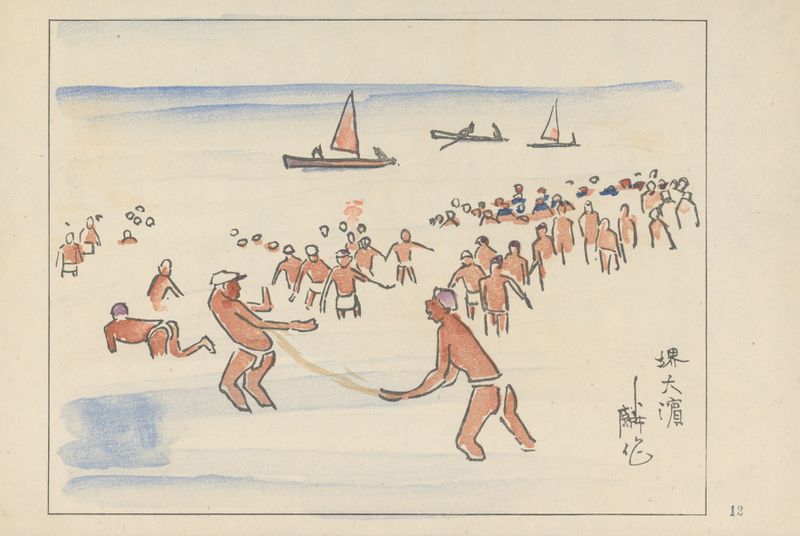
Sakai Ohama, swiming beach
Akamatsu Rinsaku

Kawaguchi, the estuary of Yodo river
Akamatsu Rinsaku
More Architecture Art
Browse all →
The statue of Liberty
Frédéric Auguste Bartholdi

View of Houses in Delft, Known as ‘The Little Street’
Johannes Vermeer

View of Houses in Delft, Known as ‘The Little Street’
Johannes Vermeer

The Cathedral in Rouen. The portal, Grey Weather
Claude Monet

The yellow house
Vincent van Gogh

The Church in Auvers-sur-Oise, View from the Chevet
Vincent van Gogh