
Istuva munkki, malliharjoitelma — History & Facts
A single figure, robed in rough brown cloth, commands the viewer’s attention through stillness rather than spectacle. The monk sits, his posture relaxed but intent, a book cradled in one hand, the other resting on his lap. The artist, Albert Edelfelt, guides the eye with the sweep of the cloak, the subtle glint of a chain, and the earthy palette that roots the scene in quiet austerity.
Light falls from the left, picking out the monk’s face and hands, lending a sense of interior focus—this is not a man lost in contemplation, but one anchored in the present, his gaze fixed on the page. The bucket and folded cloth at his feet hint at daily routines, grounding the spiritual in the everyday. Works like this, often produced as studies or exercises, were a staple of nineteenth-century academic training, when artists honed their craft by rendering figures from life or imagination. The choice of a monk as subject reflects both the era’s fascination with religious solitude and the artist’s interest in character and costume.
Albert Edelfelt, known for his portraits and historical scenes, here turns his attention to the humble rituals of monastic life, using the study format to explore mood and material. Now part of the Finnish National Gallery’s collection, the piece stands as a quiet testament to the discipline and curiosity that shaped Edelfelt’s broader career—inviting us to pause, as the monk does, and look again.
More Artworks by Albert Edelfelt

The Day of Rest
Albert Edelfelt
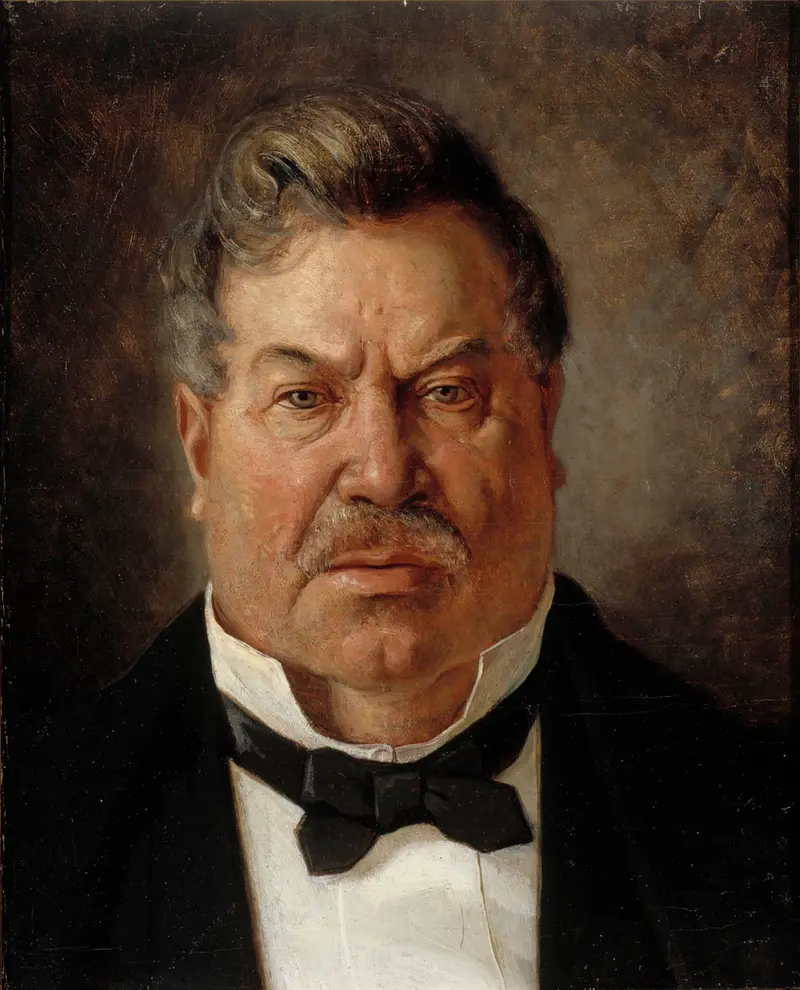
Portrait of August Streng
Albert Edelfelt
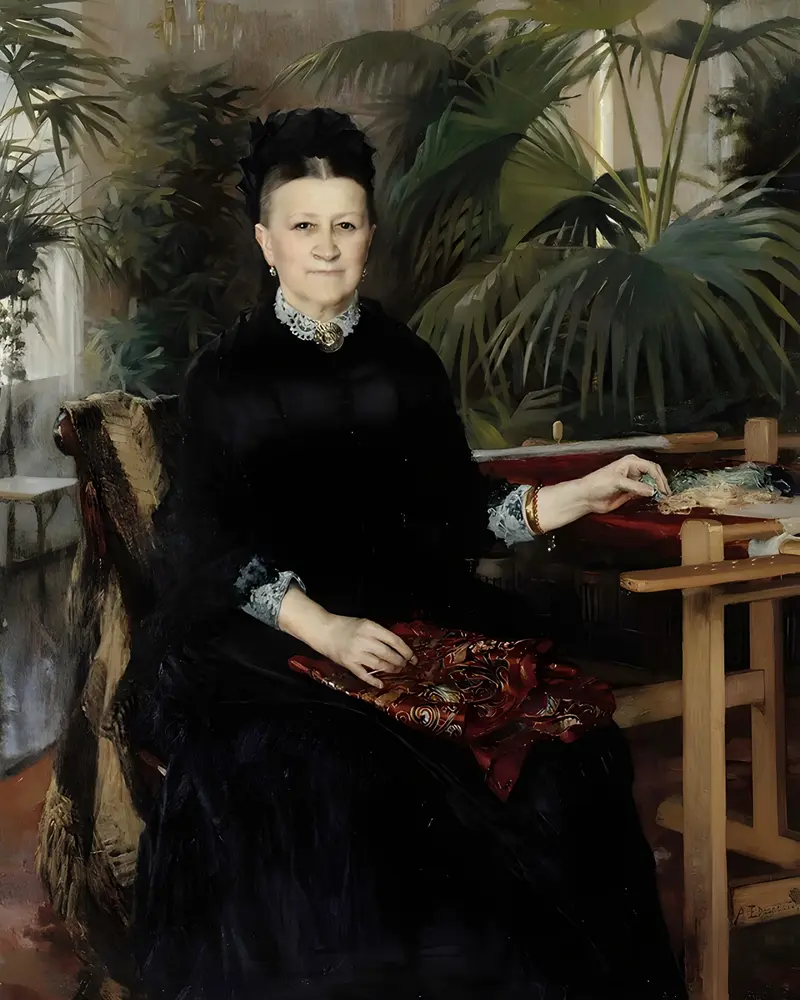
Portrait Of Mrs. Anna Sinebrychoff
Albert Edelfelt

The Poet, Larin Paraske
Albert Edelfelt

Parisian lady in a Peignoir
Albert Edelfelt
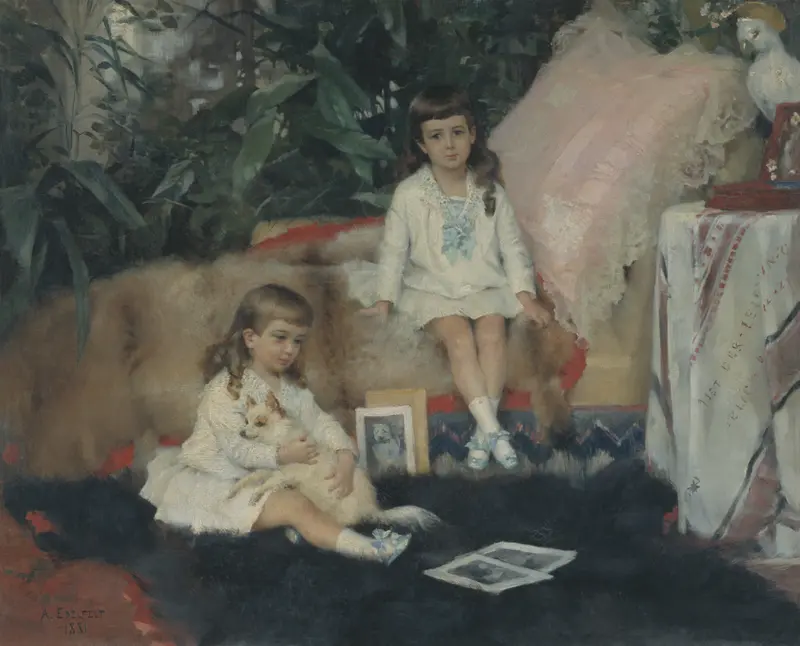
The Grand Dukes Boris and Kirill Vladimirovich as Children
Albert Edelfelt
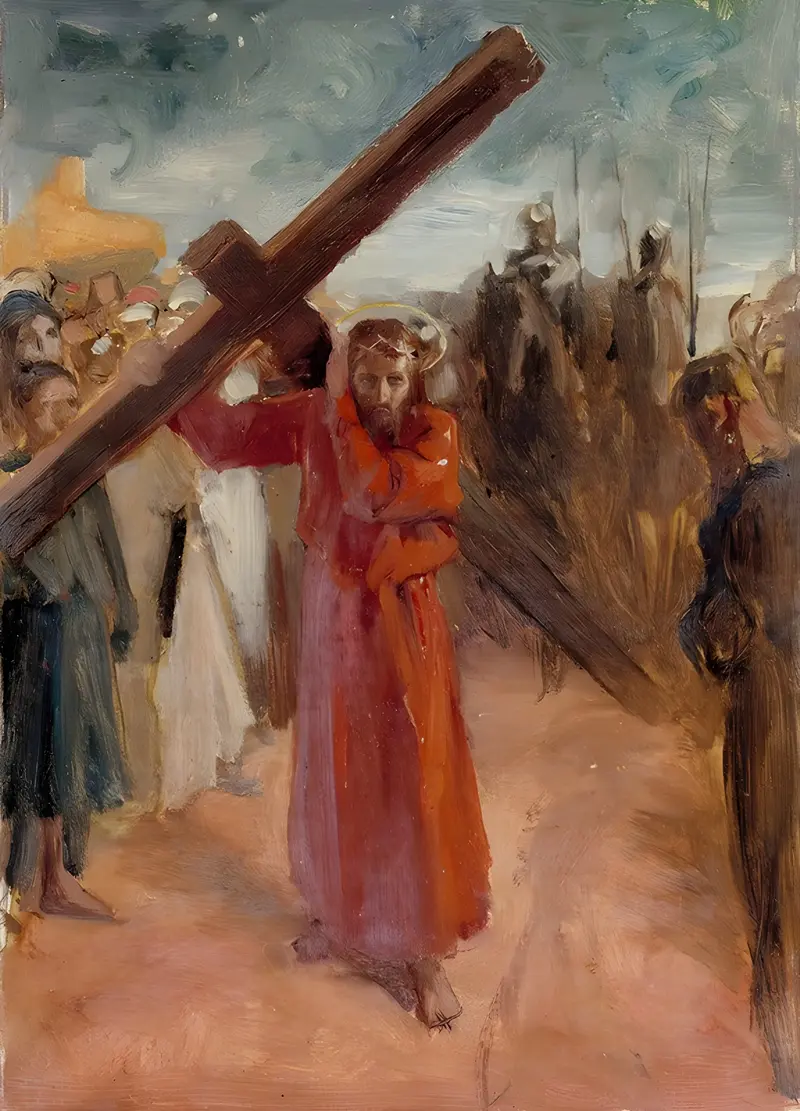
Christ Bears The Cross
Albert Edelfelt
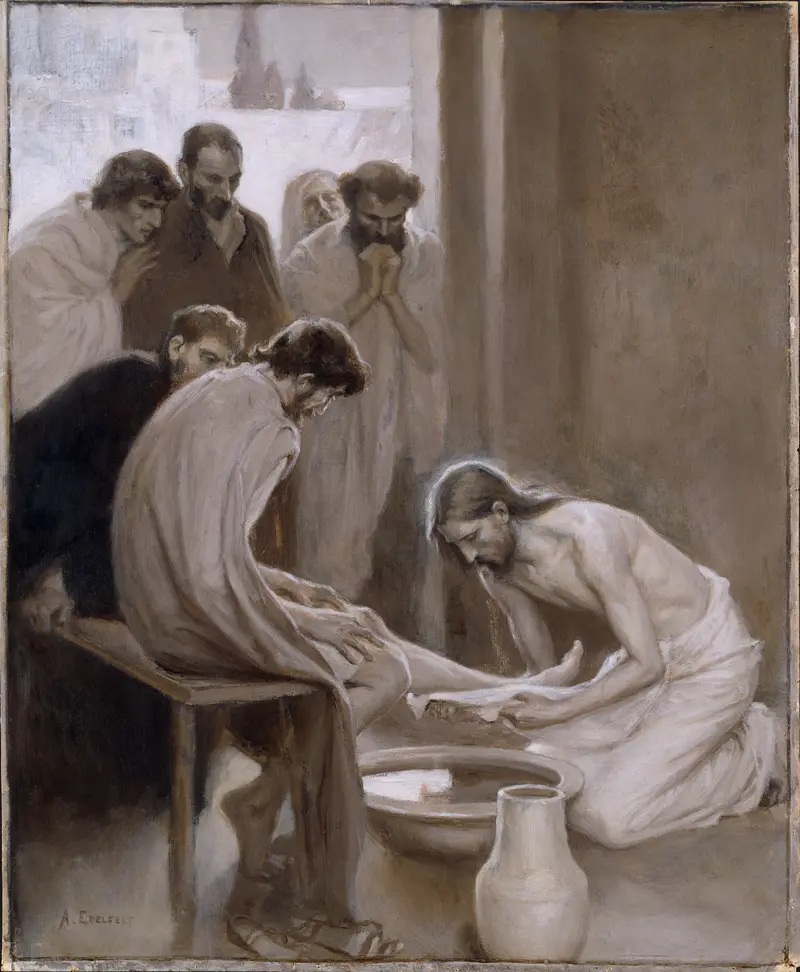
Jesus Washing the Feet of his Disciples
Albert Edelfelt

Larin Paraske with Kantele
Albert Edelfelt
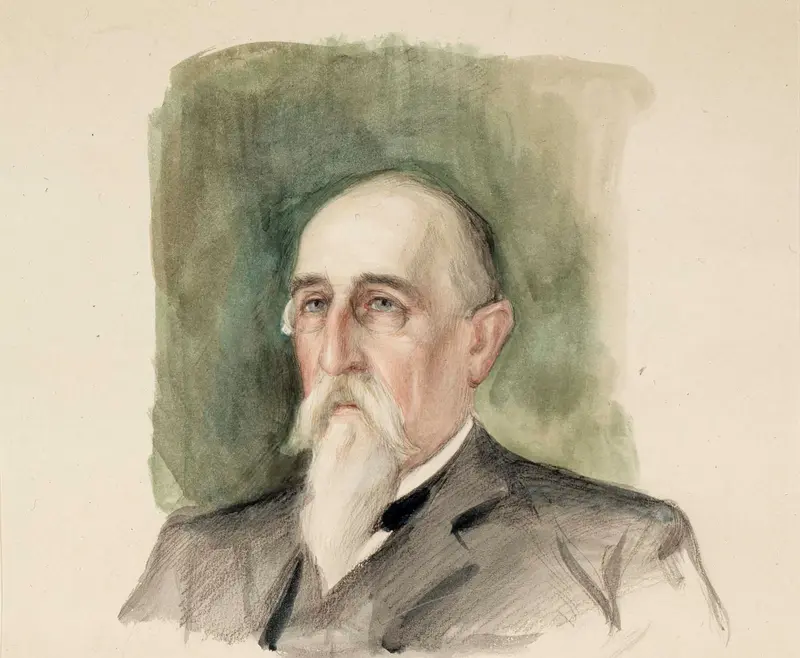
Leo Mechelin, Portrait Study
Albert Edelfelt





