Italiaanse volkstypes — History & Facts
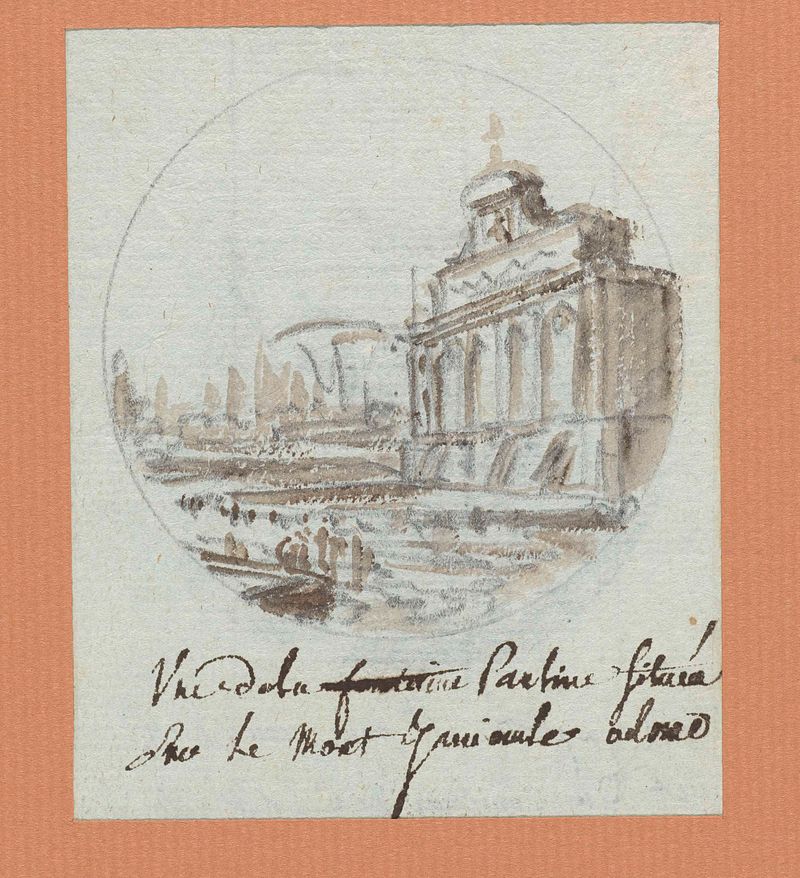
Each shadow whispers stories of the past, revealing layers beneath the surface of daily life. Look to the left at the group of figures clad in vibrant garments, their expressions a rich tapestry of emotion and experience. Notice how the play of light and shadow envelops them, creating a dramatic contrast that draws the eye. The earth tones of their attire mingle harmoniously with the softer hues of the landscape, while the deft brushing of paint gives texture to their skin, suggesting both warmth and resilience. Hidden within this scene are the nuances of social status and human connection.
The figures, seemingly engaged in a collective activity, convey a sense of camaraderie, yet their postures hint at their individual stories and struggles. This tension between unity and isolation reflects larger societal themes, urging the viewer to contemplate the intersections of identity and community. Shadows cast by the figures seem to reach out, suggesting a shared history that binds them together while also separating them. Victor Jean Nicolle created this piece between 1787 and 1811, a period marked by social upheaval and artistic evolution in Europe.
Living in France during the tumultuous times of the French Revolution and the Napoleonic era, Nicolle was influenced by the burgeoning Romantic movement. His focus on everyday life and authentic representations of character captured the essence of a changing society, positioning him among the notable artists of his time who embraced a blend of realism and emotional depth.