Italian farm — History & Facts
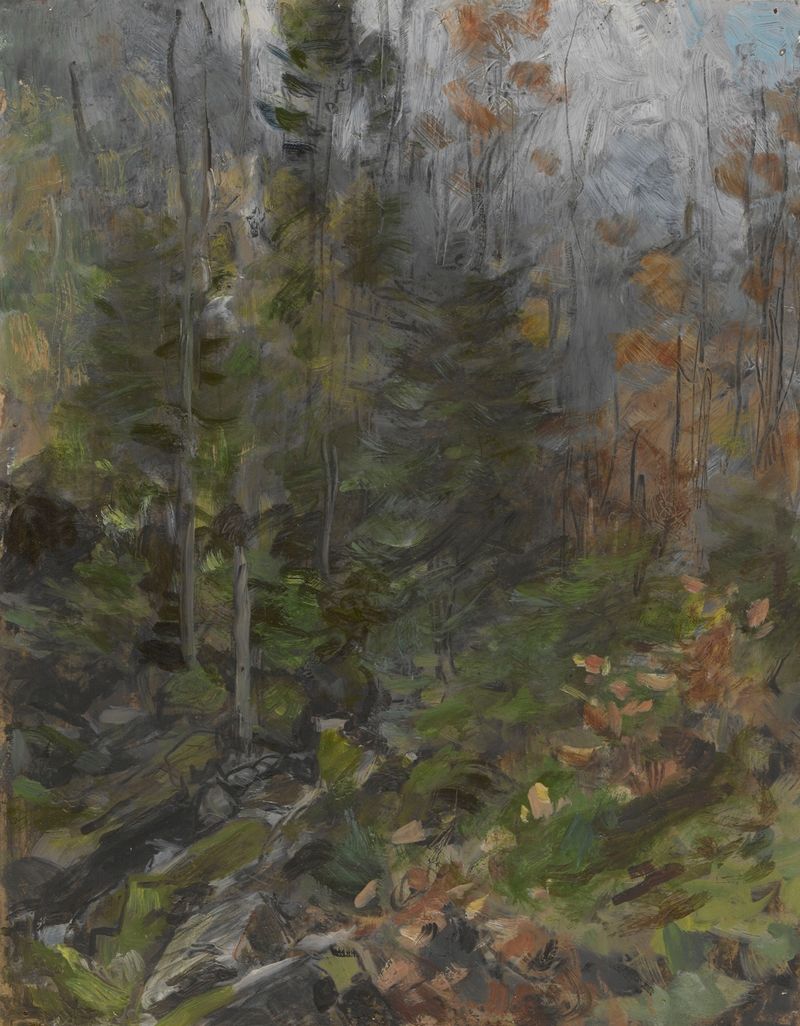
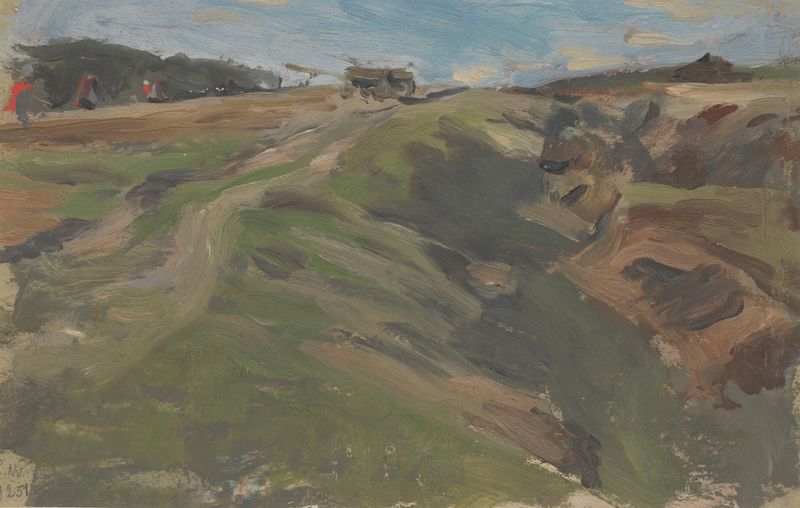
When did color learn to lie? The landscapes of the heart often wear the most beautiful masks, revealing only what we are willing to see. Look closely at the canvas, where lush greens whisper of fertility and deep browns ground the scene in honest labor. The rolling hills stretch towards a horizon kissed by a gentle light, inviting the eye to wander through the tranquil vista. Notice how the painter's deft brushstrokes create a vibrant interplay between shadow and sunlight, enhancing the texture of the golden wheat swaying in the breeze.
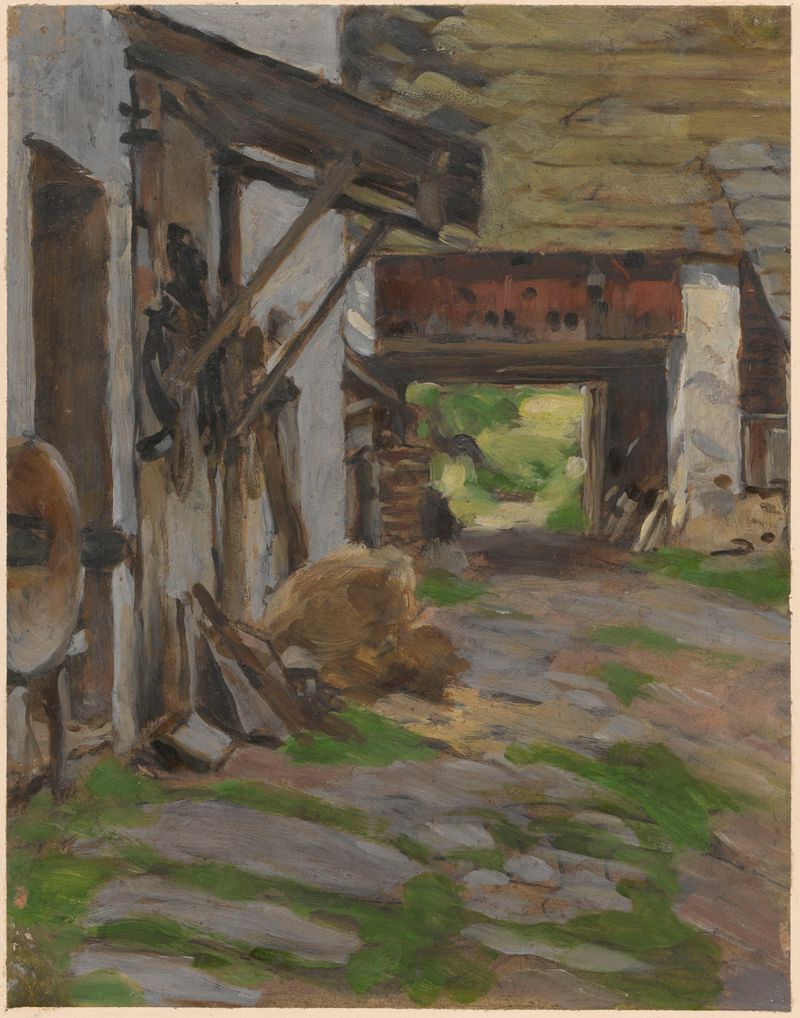
Each element breathes life into this pastoral setting, a serene contrast between man and nature. Yet, beneath the beauty lies a tension. The subtle disarray of the farm speaks to the underlying struggles of life; toil and tranquility exist side by side. The distant figures, absorbed in their labor, embody a sense of isolation, while the overall harmony of the landscape invites reflection on the fragility of such peace.
What appears idyllic is layered with the resilience required to maintain it, urging the viewer to consider the unseen hardships of rural existence. Johannes Graf painted this work in 1864, during a time of social change and agricultural upheaval in Europe. As industrialization began to reshape the landscape, Graf sought to capture the essence of rural life with its charms and challenges. Working within a context of transitioning artistic movements, he embraced realism, focusing on authentic portrayals of both beauty and struggle in the Italian countryside.