Landscape with a church — History & Facts
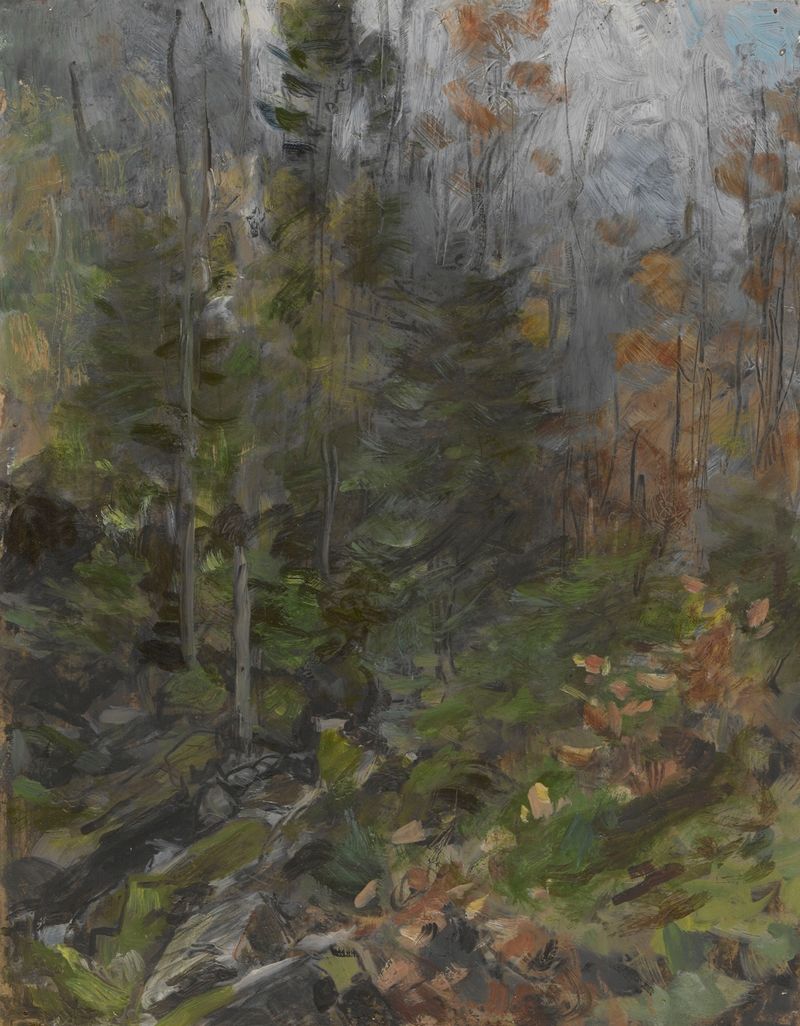
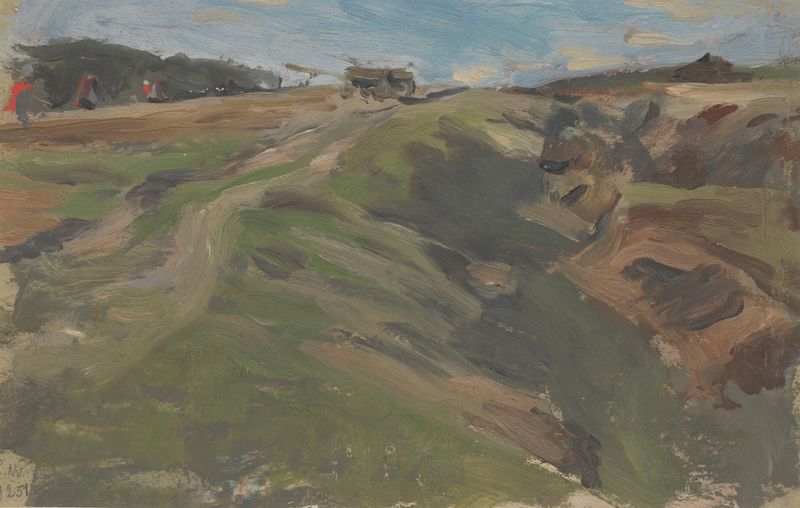
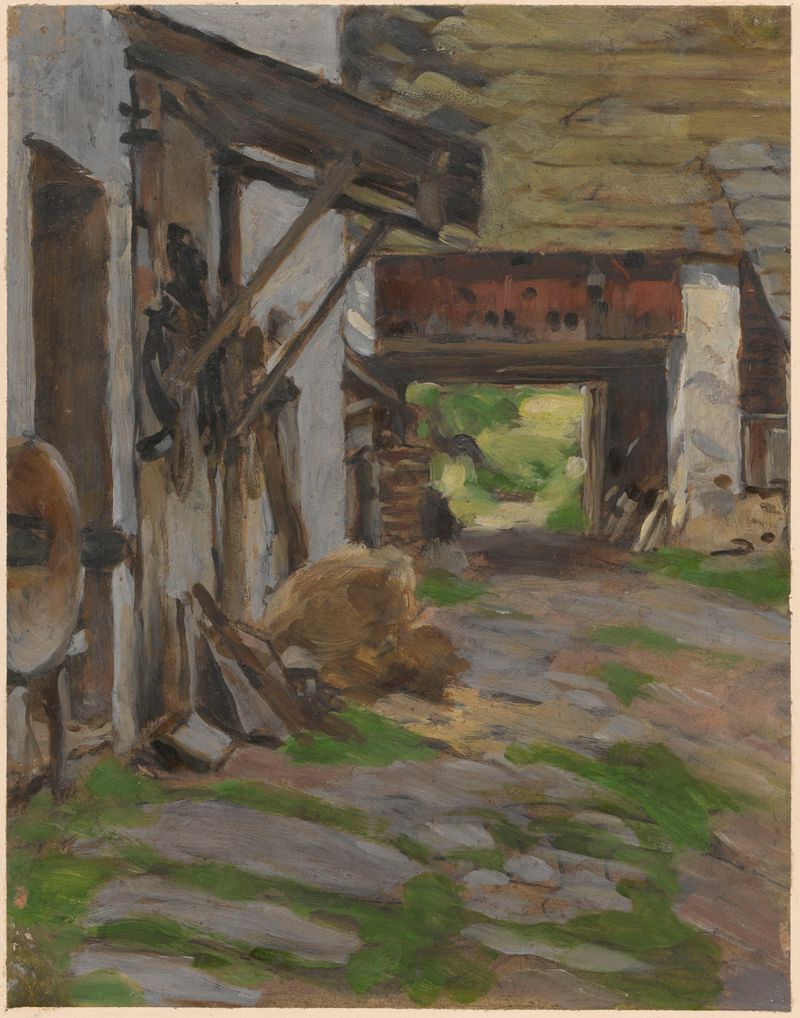
In this stillness, echoes of insanity linger, demanding attention in a world that often rushes past. The beauty of nature and the chaos beneath it hold a delicate tension, as if the land itself is both a sanctuary and a battleground for the mind. Look to the left at the vibrant greens and unforgiving browns that form the landscape, where the church stands resolute but distant. Its spire reaches towards the sky, piercing the clouds that swirl above like thoughts struggling for clarity.
As the light diffuses across the canvas, each brushstroke reveals textures that evoke a sense of both serenity and disquiet, begging the viewer to contemplate the spirit that fills this place. The interplay of light and shadow not only highlights the architectural details of the church but also hints at the dichotomy of faith and doubt that permeates the scene. The surrounding trees, wild and unkempt, seem to whisper secrets of the past, while the heavens above offer a glimpse of both peace and turmoil. Here, nature embodies madness, presenting a landscape that is at once breathtakingly beautiful and deeply unsettling. In 1864, Johannes Graf painted this piece during a period of intense personal and artistic exploration in Europe.
Living in a time of social upheaval and rapid change, he sought solace in pastoral scenes that reflected both the tranquility of rural life and the underlying currents of chaos that threatened it. His work signifies a moment when art was becoming a refuge, capturing the complexities of an era poised between tradition and modernity.