Italian landscape — History & Facts
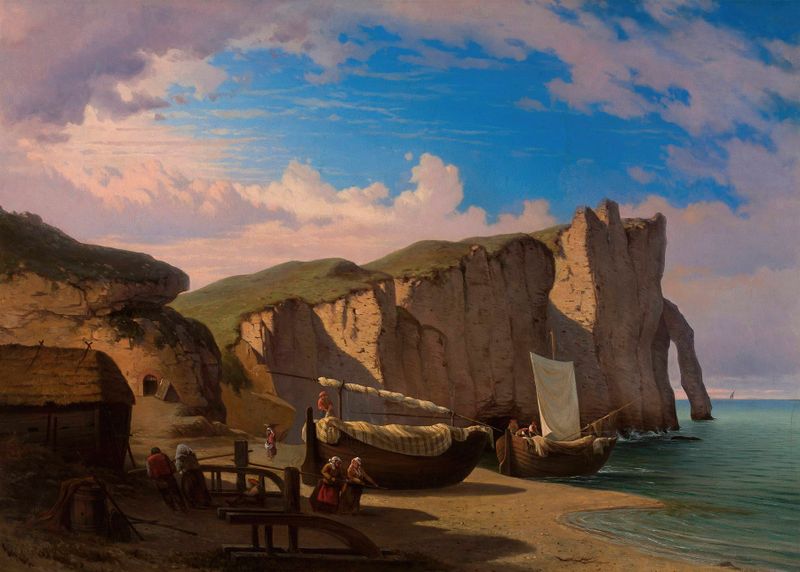
Who listens when art speaks of silence? In the soft embrace of a tranquil Italian landscape, the essence of innocence is captured, inviting a quiet reflection on nature's unassuming beauty. Look to the horizon where rolling hills kiss the sky, painted in gentle shades of green and gold. The artist’s brushstrokes breathe life into the scene, each stroke a whisper that guides the eye through lush meadows dappled with sunlight. Notice how the light falls upon a solitary tree, its branches stretching toward the heavens, embodying both resilience and peace.
The delicate balance of composition creates a harmonious dialogue between land and sky, evoking a sense of calm that resonates deeply. In this serene tableau, subtle contrasts emerge—a winding path that beckons the viewer to wander, framed by the rich vibrancy of nature. The silent yet powerful presence of the earth reflects the purity of innocence, a reminder of simpler times untouched by chaos. The hues of sunrise blend seamlessly into the soft browns and greens, symbolizing the eternal cycle of life and rebirth, as if nature itself is cradling a child’s curiosity. Albert Żamett painted this landscape in 1850 while residing in Italy, a time when Romanticism was shaping the art world.
Inspired by the beauty surrounding him, he sought to capture the essence of the countryside, reflecting not only his personal journey but also a collective yearning for connection with nature. This period marked a shift toward emotional expression, offering viewers a window into the profound simplicity and tranquility that life can offer.