
Jacob's ladder — History & Facts
What if beauty was never meant to be finished? In Jacob's Ladder, the viewer confronts a haunting vision of divine ascent and earthly fragility, inviting contemplation of the spiritual and the transient. Look closely at the central figures, where the light cascades down from above, illuminating the faces of the angels and the weary Jacob. Notice how the shadows deepen around the edges, enveloping the scene in a mysterious twilight. The deft brushwork captures the ethereal quality of the moment, where dreams and reality intertwine; the soft colors create a gentle harmony, drawing the eye to the tension of Jacob's struggle. Hidden within this celestial scene lies a profound dichotomy.
The upward movement suggests hope and divine promise, yet Jacob's weary expression reflects humanity's constant yearning and suffering. Each angel, poised in grace, contrasts with Jacob's vulnerability, amplifying the fragility of mortal existence. The artwork serves as a reminder that beauty is often found in the delicate balance between aspiration and despair. In 1655, Rembrandt, living in Amsterdam, was navigating personal challenges, including financial difficulties and the loss of loved ones.
This period marked a transition in his artistic style, moving towards deeper emotional resonance and introspection. Amidst a changing art world influenced by the Baroque, he explored themes of faith and redemption, capturing the complexities of the human spirit in a way that continues to resonate today.
More Artworks by Rembrandt van Rijn
Browse all →
The Night Watch Militia Company of District II under the Command of Captain Frans Banninck Cocq
Rembrandt van Rijn

The Return of the Prodigal Son
Rembrandt van Rijn

The Hundred Guilder Print: the figures leaning on the wall in the centre left
Rembrandt van Rijn

The Hundred Guilder Print: the central piece with Christ preaching, the plate arched
Rembrandt van Rijn

Isaac and Rebecca, Known as ‘The Jewish Bride’
Rembrandt van Rijn
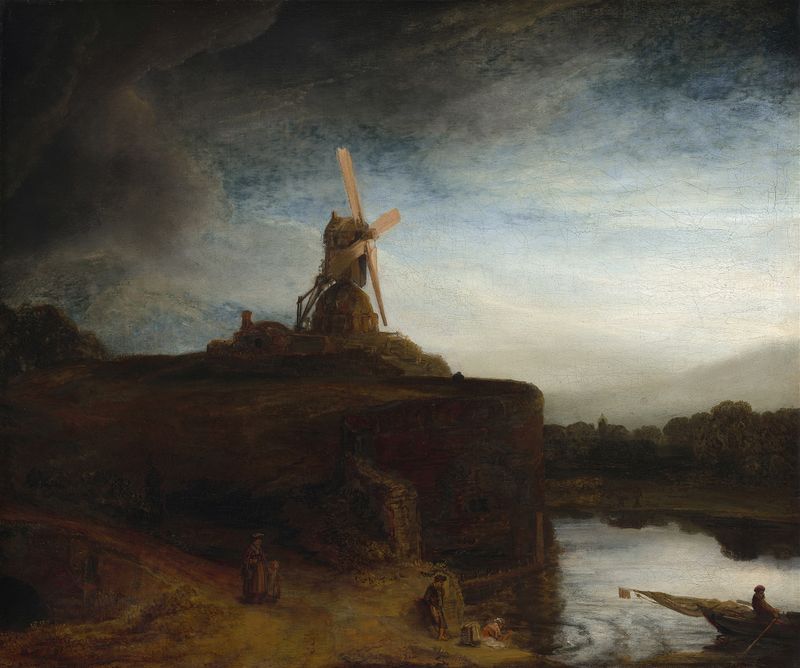
The Mill
Rembrandt van Rijn

The Sampling Officials of the Amsterdam Drapers’ Guild, Known as ‘The Syndics’
Rembrandt van Rijn

The return of the prodigal son
Rembrandt van Rijn
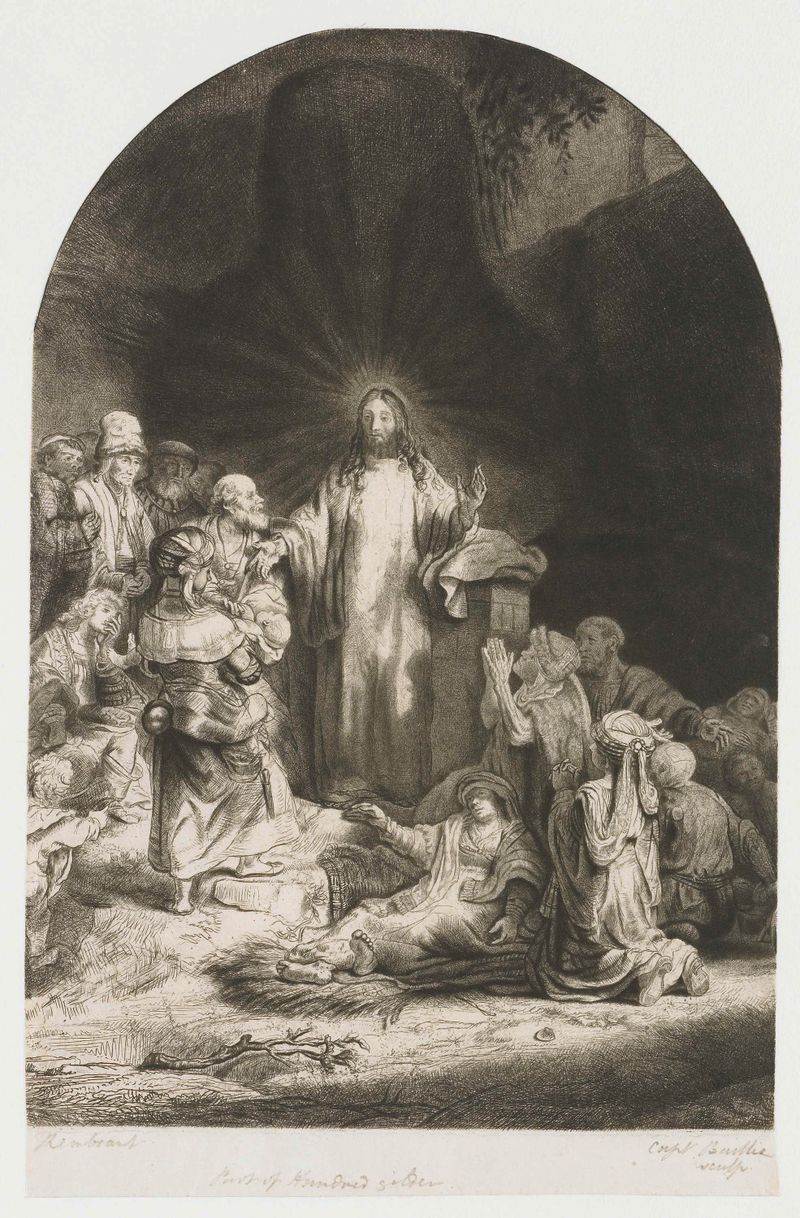
The Hundred Guilder Print: the central piece with Christ preaching, the plate arched
Rembrandt van Rijn

The Hundred Guilder Print: the man seen on the back in the lower left corner
Rembrandt van Rijn
More Religious Art
Browse all →The Return of the Prodigal Son
Rembrandt van Rijn

The Garden of Earthly Delights
El Bosco

Count Orgaz’ funeral
El Greco
The Hundred Guilder Print: the central piece with Christ preaching, the plate arched
Rembrandt van Rijn

The Descent from the Cross
Rogier van der Weyden
The return of the prodigal son
Rembrandt van Rijn