
Jacob's ladder — History & Facts
Rembrandt's Jacob's Ladder captures a transformative moment, where the tumult of human experience converges into a single, divine vision. This artwork beckons us to consider how the intersection of spirituality and turmoil can ignite a revolution within the soul. Look closely at the left side of the painting, where the soft light illuminates the figures amidst a backdrop of darkness. The ethereal glow embodies a sense of hope, guiding the viewer’s gaze toward the central ladder reaching into the heavens.
Rich, dark hues contrast with the bright highlights, enhancing the emotional depth of the scene, while dynamic brushstrokes impart movement and energy, bringing the narrative to life. Within this composition lies a profound juxtaposition between the earthly and the celestial. The figures below, depicted in shades of shadow, are consumed by earthly struggles, while above, the ladder serves as a bridge to the divine. The tension between despair and transcendence invites the viewer to reflect on their own journey toward enlightenment, suggesting that even in turmoil, hope remains within reach.
Each character’s expression reveals a tapestry of longing, embodying the universal search for meaning amid chaos. In 1655, Rembrandt painted this work during a period of personal and professional upheaval. Living in Amsterdam, he faced financial difficulties and the loss of loved ones, yet he continued to delve into themes of spiritual awakening and the human condition. This exploration mirrored the broader Baroque movement, where artists sought to engage viewers emotionally and spiritually, using light and shadow as tools of revolution within their art.
More Artworks by Rembrandt van Rijn
Browse all →
The Night Watch Militia Company of District II under the Command of Captain Frans Banninck Cocq
Rembrandt van Rijn

The Return of the Prodigal Son
Rembrandt van Rijn

The Hundred Guilder Print: the figures leaning on the wall in the centre left
Rembrandt van Rijn

The Hundred Guilder Print: the central piece with Christ preaching, the plate arched
Rembrandt van Rijn

Isaac and Rebecca, Known as ‘The Jewish Bride’
Rembrandt van Rijn
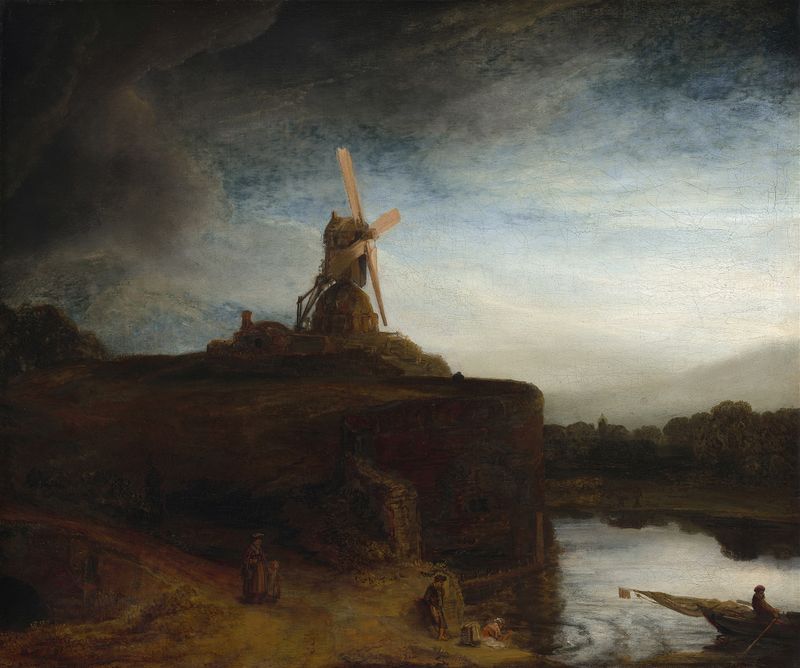
The Mill
Rembrandt van Rijn

The Sampling Officials of the Amsterdam Drapers’ Guild, Known as ‘The Syndics’
Rembrandt van Rijn

The return of the prodigal son
Rembrandt van Rijn
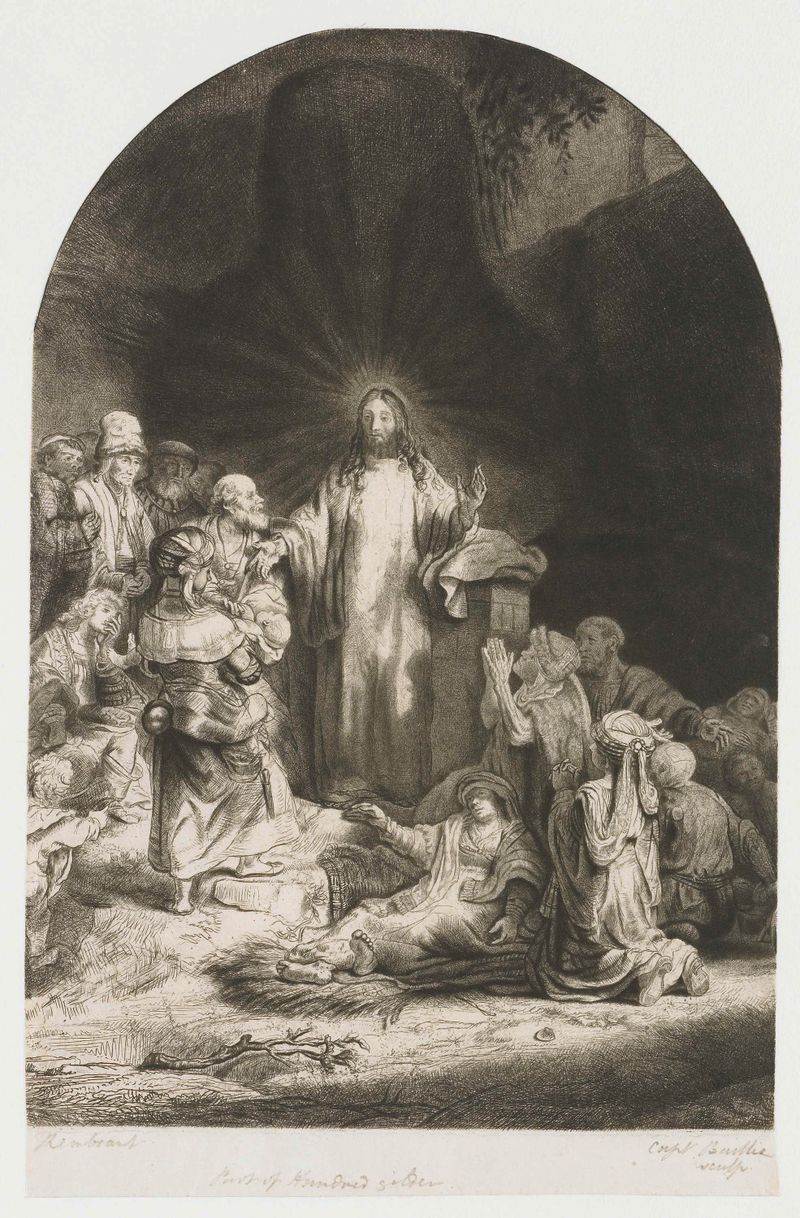
The Hundred Guilder Print: the central piece with Christ preaching, the plate arched
Rembrandt van Rijn

The Hundred Guilder Print: the man seen on the back in the lower left corner
Rembrandt van Rijn
More Religious Art
Browse all →The Return of the Prodigal Son
Rembrandt van Rijn

The Garden of Earthly Delights
El Bosco

Count Orgaz’ funeral
El Greco
The Hundred Guilder Print: the central piece with Christ preaching, the plate arched
Rembrandt van Rijn

The Descent from the Cross
Rogier van der Weyden
The return of the prodigal son
Rembrandt van Rijn