
Jacob's ladder — History & Facts
Can paint confess what words never could? In Jacob's Ladder, the canvas becomes a vessel for legacy, capturing the weight of divine encounters. Look directly at the dynamic interplay of light emanating from the upper right corner, where it spills over the angelic figures. The warm, golden hues contrast starkly against the earthy tones of the landscape below, guiding your eye upward towards the ethereal moment. Notice how the figures, bathed in a celestial glow, appear to float between realms, their expressions a blend of wonder and reverence.
Rembrandt's deft brushwork, with its smooth transitions and dramatic chiaroscuro, heightens the sense of movement, as if the entire scene vibrates with spiritual energy. Digging deeper, the painting reflects the tension between earthly existence and heavenly aspiration. The ladder, a symbol of connection, serves as a reminder of the striving inherent in humanity's search for meaning. Each figure embodies a different response to the divine: awe, contemplation, and even yearning, encapsulating the myriad ways one grapples with faith.
This emotional tapestry invites the viewer to reflect on their own journey, the legacy of spiritual inquiry carved into the very fabric of the scene. In 1655, Rembrandt was at a pivotal point in his career, grappling with personal loss and artistic evolution in Amsterdam. The art world was shifting, with Baroque styles transitioning and newer expressions emerging, yet he remained steadfast in his exploration of light and emotion. Jacob's Ladder stands as a testament not only to biblical themes but also to the artist's enduring legacy, capturing a moment where the sacred intersects with the human experience.
More Artworks by Rembrandt van Rijn
Browse all →
The Night Watch Militia Company of District II under the Command of Captain Frans Banninck Cocq
Rembrandt van Rijn

The Return of the Prodigal Son
Rembrandt van Rijn

The Hundred Guilder Print: the figures leaning on the wall in the centre left
Rembrandt van Rijn

The Hundred Guilder Print: the central piece with Christ preaching, the plate arched
Rembrandt van Rijn

Isaac and Rebecca, Known as ‘The Jewish Bride’
Rembrandt van Rijn
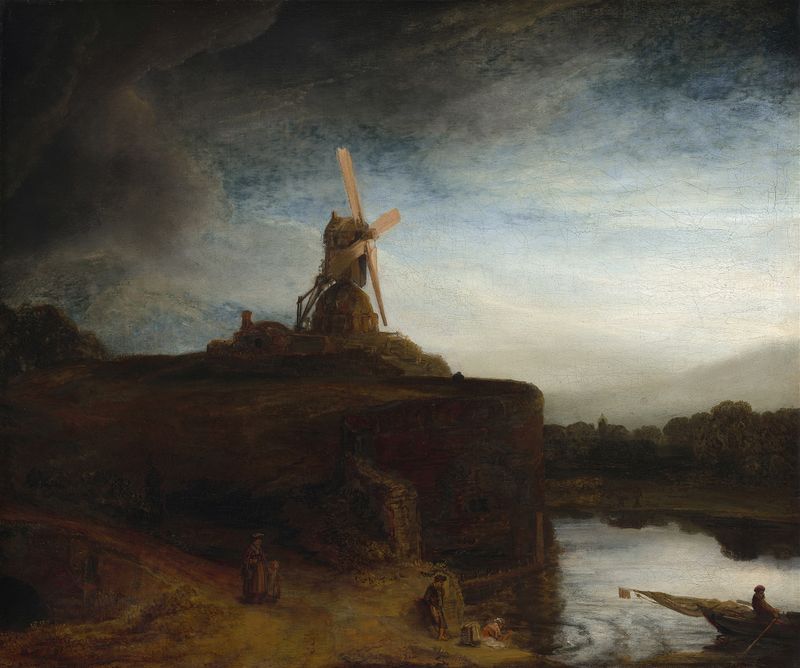
The Mill
Rembrandt van Rijn

The Sampling Officials of the Amsterdam Drapers’ Guild, Known as ‘The Syndics’
Rembrandt van Rijn

The return of the prodigal son
Rembrandt van Rijn
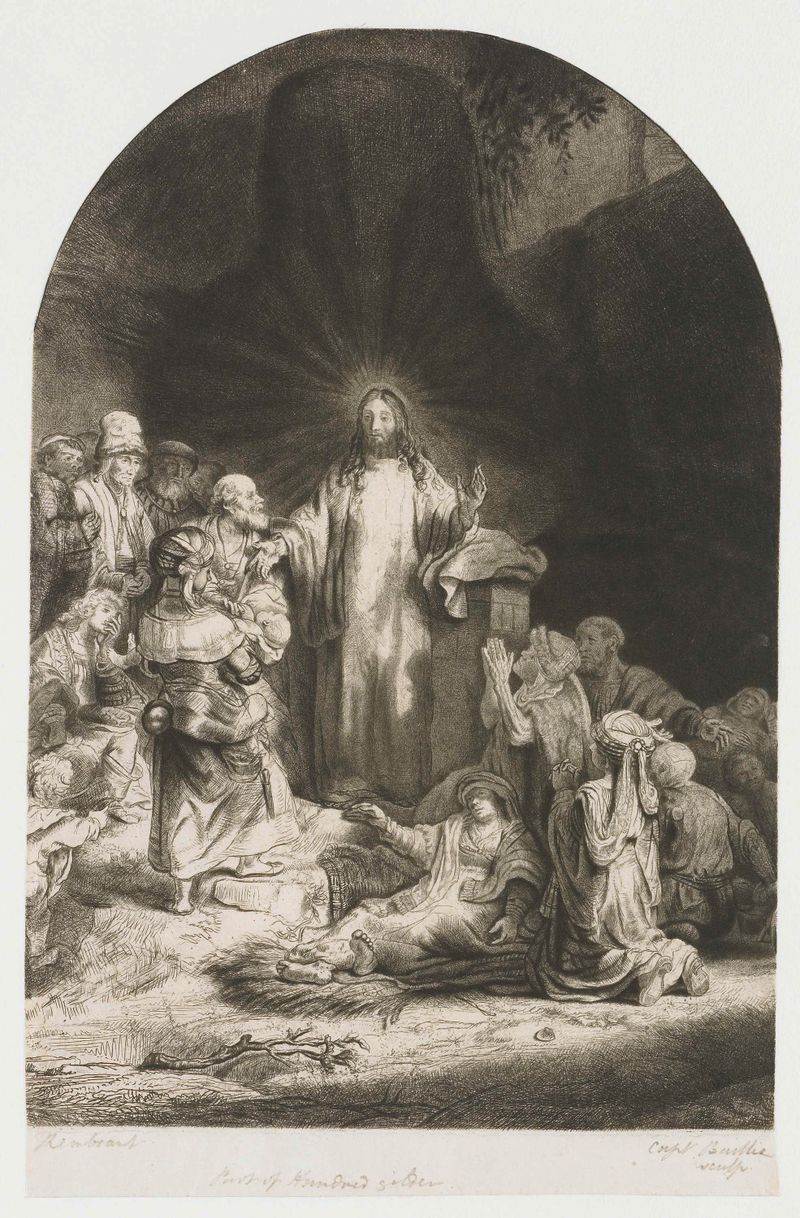
The Hundred Guilder Print: the central piece with Christ preaching, the plate arched
Rembrandt van Rijn

The Hundred Guilder Print: the man seen on the back in the lower left corner
Rembrandt van Rijn
More Religious Art
Browse all →The Return of the Prodigal Son
Rembrandt van Rijn

The Garden of Earthly Delights
El Bosco

Count Orgaz’ funeral
El Greco
The Hundred Guilder Print: the central piece with Christ preaching, the plate arched
Rembrandt van Rijn

The Descent from the Cross
Rogier van der Weyden
The return of the prodigal son
Rembrandt van Rijn