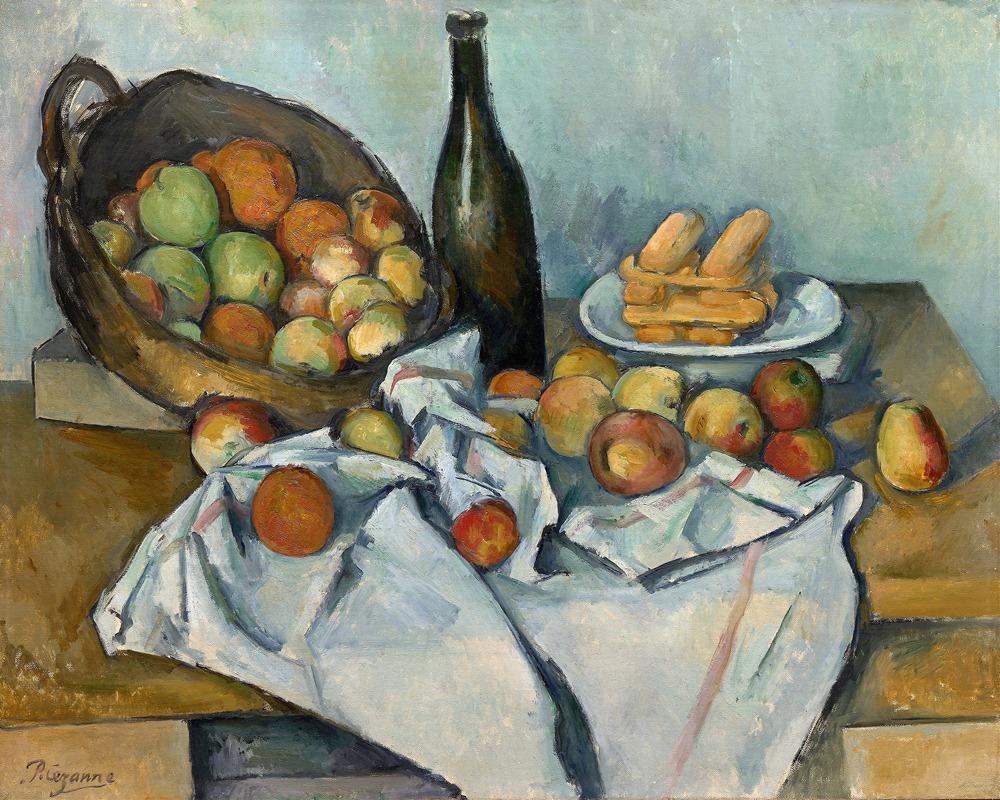
Discover insights about this artwork
Jar of Apricots — History & Facts
In Jar of Apricots, the viewer is greeted with a vibrant display of apricots arranged in a glass jar. The colors are warm, with rich yellows and soft oranges dominating the composition. The background is muted, allowing the fruit to stand out as the focal point.
The painting captures a moment of stillness, inviting contemplation of the simple beauty of everyday objects. The painting is executed in oil on canvas, a common medium for still life works during the Rococo period. Chardin's technique is characterized by his attention to detail and the realistic portrayal of textures, particularly the smooth surface of the glass and the velvety skin of the apricots. The dimensions are approximately 50 x 60 cm, making it a modestly sized piece that can fit comfortably in various settings.
The use of light and shadow adds depth, enhancing the three-dimensional quality of the fruit. Jean Siméon Chardin was a prominent French painter known for his still lifes and genre scenes in the 18th century. This work, created around the 1760s, reflects the Rococo style, emphasizing elegance and the beauty of everyday life. An interesting fact about this painting is that it showcases Chardin's ability to elevate simple subjects into works of art, demonstrating his belief in the importance of domesticity and the ordinary.
Today, Jar of Apricots is housed in the Musee d'Orsay, where it continues to be celebrated for its charm and technical skill.
More Artworks by Jean Siméon Chardin

The White Tablecloth
Jean Siméon Chardin
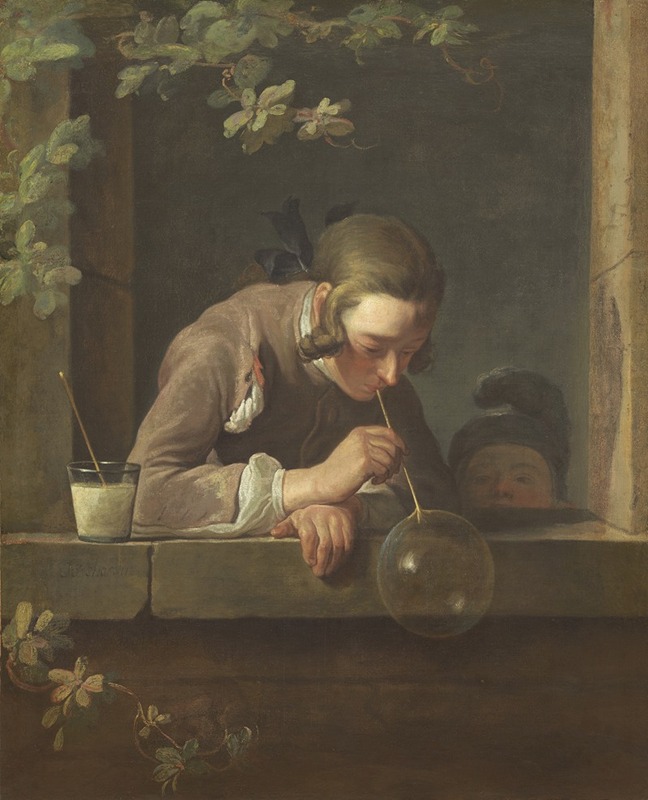
Soap Bubbles
Jean Siméon Chardin
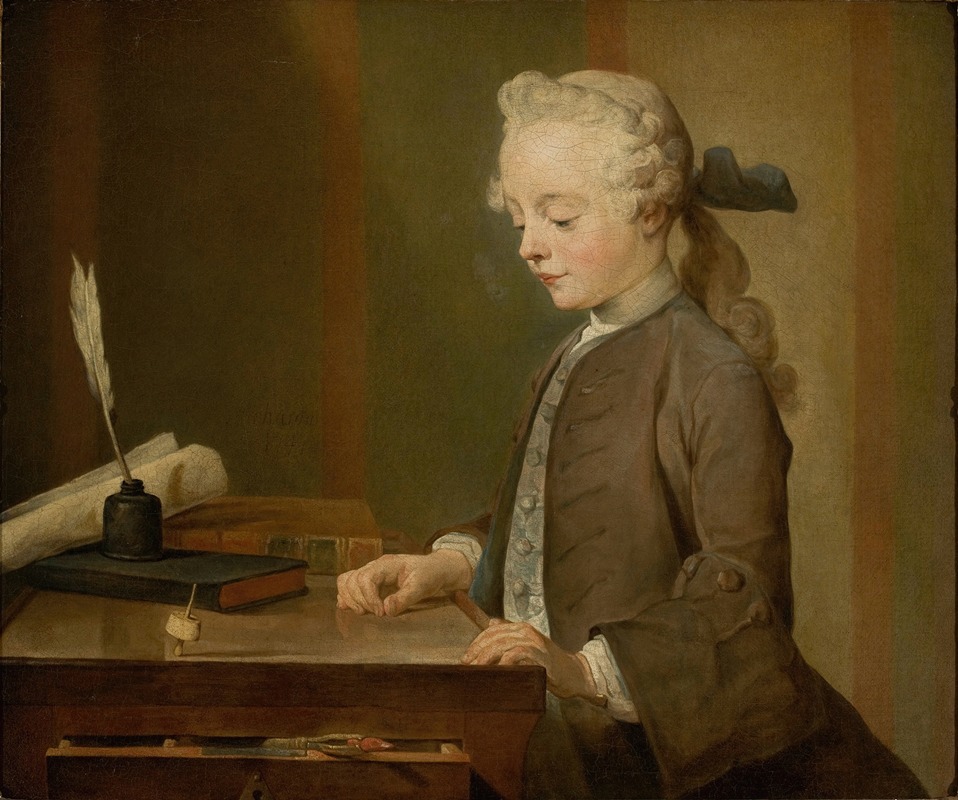
Portrait of Auguste Gabriel Godefroy
Jean Siméon Chardin
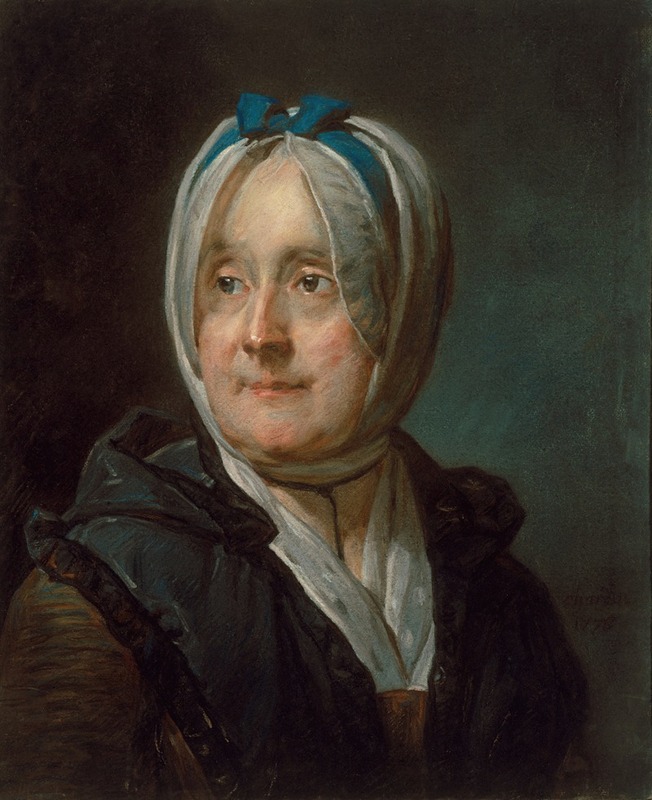
Portrait of Madame Chardin
Jean Siméon Chardin
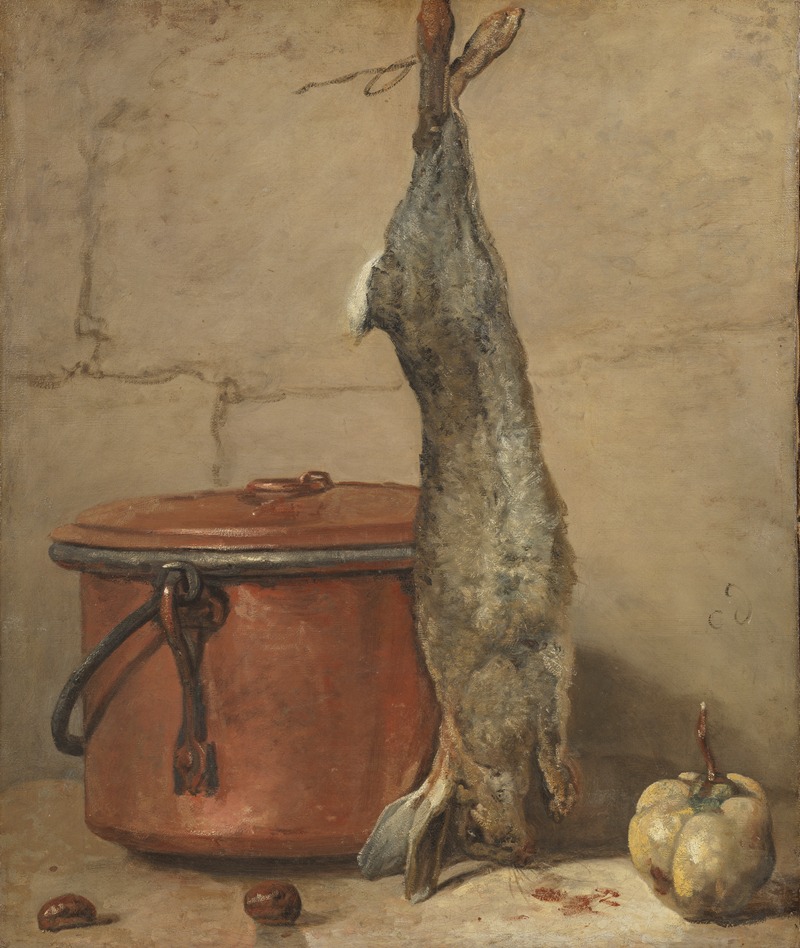
Rabbit and Copper Pot
Jean Siméon Chardin
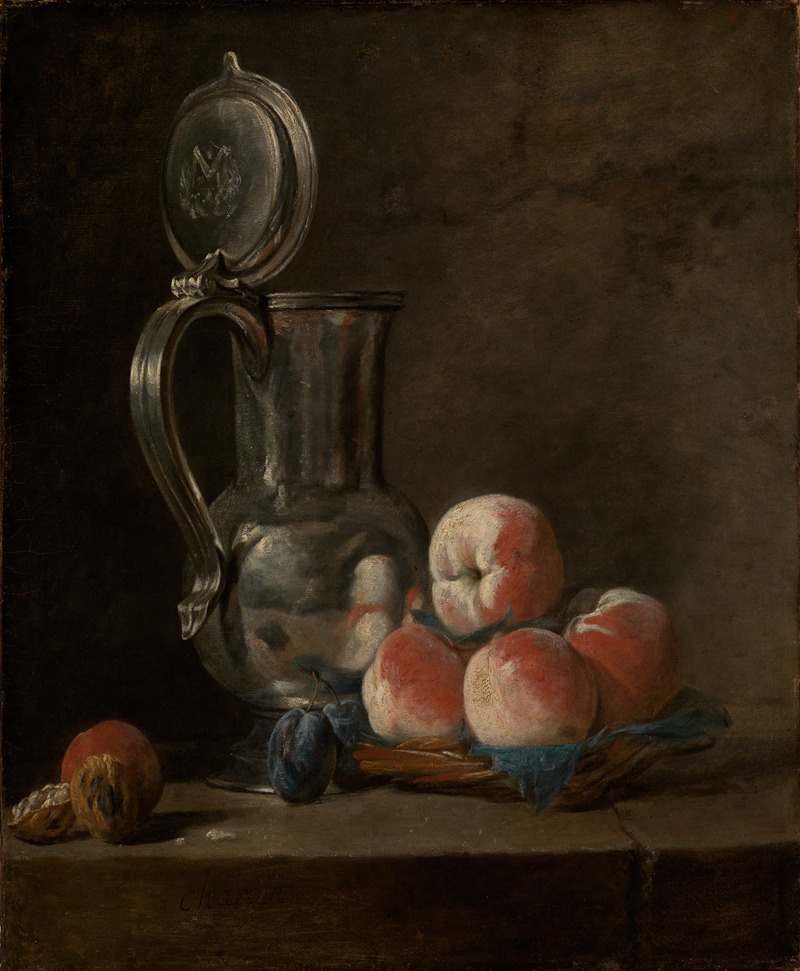
Still life with pewter jug and peaches
Jean Siméon Chardin
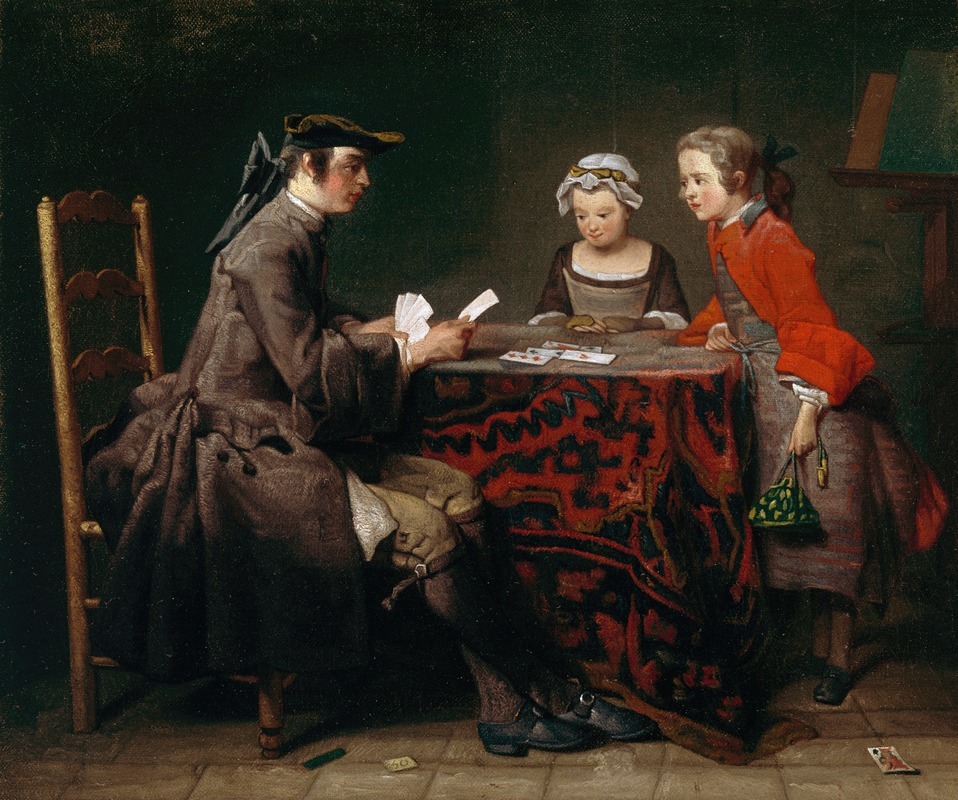
Les Tours de Cartes
Jean Siméon Chardin
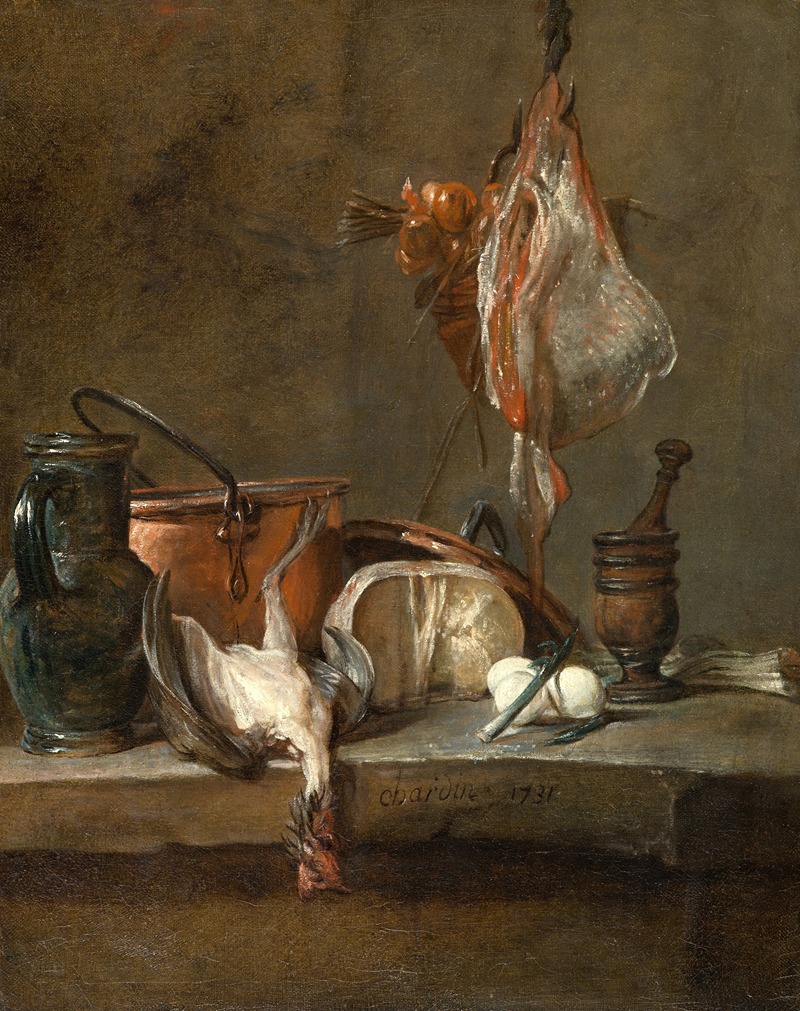
Still Life with Ray and Basket of Onions
Jean Siméon Chardin
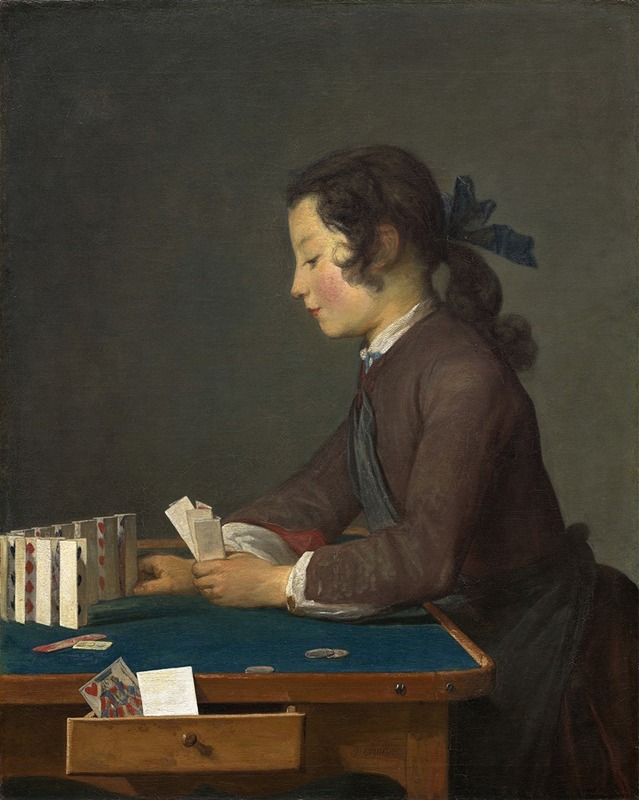
The House of Cards
Jean Siméon Chardin
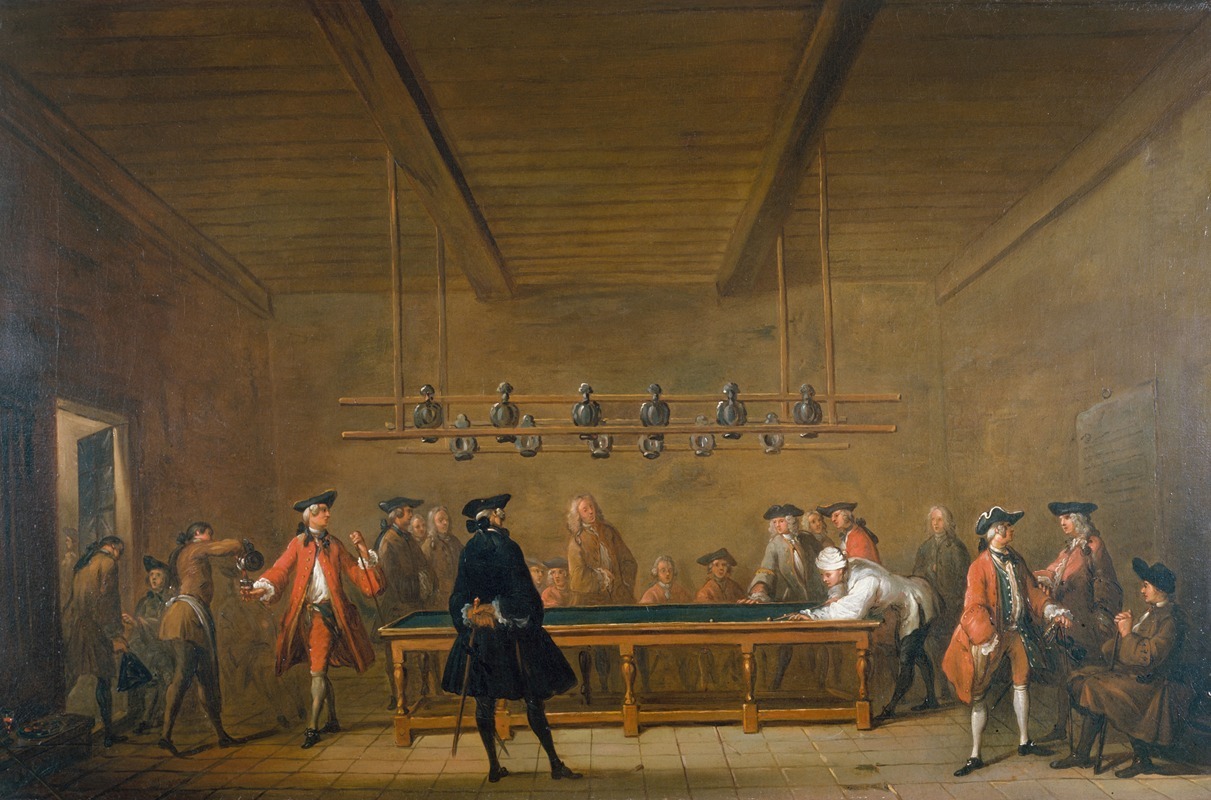
La Partie de billard
Jean Siméon Chardin